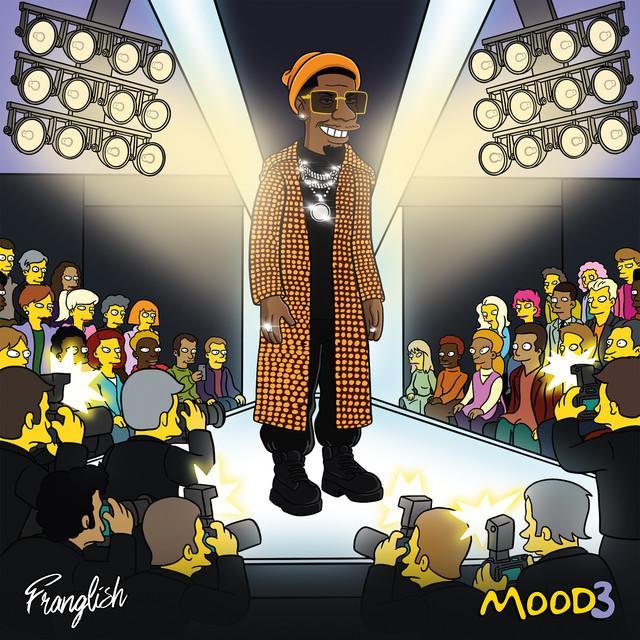
Why Franglish's 'Trop parler' Feels So Cold
The meaning of Trop parler Franglish comes down to a simple but revealing tension: strong attraction on the surface, and emotional impatience underneath. The song sounds light, catchy, and made for movement, but its message is less romantic than it first appears.
"Trop parler" - Franglish
Tcho (jheez) tcho, tcho, tcho, tcho (let's get it)
Quand elle marche son booty fait ra-ka-ta-kou
Loading lyrics...
Unable to load lyrics
We're unable to display the lyrics at this time. Please try again later.
Franglish builds the track around a narrator who is drawn in by style, body language, and atmosphere. At the same time, they seem turned off by conversation, hesitation, or emotional complication. That push and pull is what gives the song its edge.
The Real Message Hiding Inside the Hook
The chorus keeps returning to elle aime trop parler
. In plain English, that means she talks too much. The phrase is playful, but it also works like a judgment.
Instead of wanting connection through words, the narrator wants the moment to stay physical, cool, and easy. They praise the vibe, saying she liked the mood, yet the repeated complaint suggests they want less talking and more unspoken chemistry.
Interpretation: This makes the song less about love than about control. The narrator is not asking who this person is on the inside. They are deciding how much of her voice they want to deal with.
Attraction First, Personality Later
The opening verse is direct about what catches the narrator's attention. They notice movement before anything else, using the playful sound effect ra-ka-ta-kou
to mimic swagger and rhythm. That detail matters because it turns the woman's walk into part of the beat itself.
Then comes obligé de lui parler
, meaning they feel compelled to go talk to her. The line frames the approach as automatic, almost instinctive. It is not presented as deep emotion. It is instant reaction.
That same verse quickly shifts to status. The narrator mentions having cash and paying for everything. This helps explain the song's worldview: attraction is linked to display, confidence, and visible spending.
Power, Pride, and Emotional Distance
One of the clearest ideas in the track is that the narrator refuses to chase. They say, in effect, if she leaves, they will not wait and can replace her. That makes the relationship dynamic feel transactional.
A short phrase like je suis dans la zone
reinforces this mindset. They are in their own zone, focused on themselves, not ready to be thrown off balance. The song's confidence comes from this emotional distance.
There is also a family-value angle in the line about their mother not teaching them to run after someone. Even in a boastful song, that line tries to turn pride into principle. The narrator is not just saying they will not chase; they are saying they should not chase.
Interpretation: That can be heard two ways. It may be genuine self-respect, or it may be a defense mechanism dressed up as cool detachment.
Why Money and Place Matter So Much
The song keeps tying romance to spending and environment. One key flex is j'ai tout payé
, which presents generosity and wealth as proof of worth. In this world, paying is part of performing power.
There is also a neighborhood identity in the mention of la cité
. That grounds the track in a local social setting rather than a fantasy space. The narrator wants listeners to know they come from a real place, understand its codes, and move with confidence inside it.
This matters for the meaning of Trop parler Franglish because the song is not only about one woman. It is also about social rank: who has presence, who controls the mood, and who gets to define the rules.
How the Sound Helps Sell the Attitude
Even without long lyrical detail, the production idea is clear from the writing. The repeated chants, ad-libs like d'accord, ça va
, and the percussive phrasing create a hypnotic loop. The song is built to feel effortless.
That matters because the beat likely does some of the emotional work that the lyrics avoid. A bouncing rhythm and melodic repetition can make a cold message feel fun. Listeners may sing along to the hook before noticing how dismissive it really is.
Franglish is known for blending melodic rap and contemporary French urban pop, often pulling from Afro-influenced rhythms in a way heard across their catalog and public artist profiles such as Spotify. In that context, "Trop parler" fits their strength: smooth delivery over a groove that keeps things moving.
The credited writers provided in the song context are Gedeon Mundele Ngolo Nzinga Nzala, Gael Stone, and Max & Seny. That collaborative setup also makes sense for a hook-driven track designed around memorable repetition.
A Catchy Song With a Sharp Edge
What makes "Trop parler" interesting is that it never fully hides its hardness. It sounds flirtatious, but the emotional terms are strict. The woman is admired, but also reduced to motion, mood, and inconvenience when she speaks too much.
Interpretation: Some listeners may hear it as harmless nightlife talk. Others may hear a critique of shallow dating culture, where image and dominance matter more than conversation. Both readings fit the text.
Final Take on the Song's Meaning
The meaning of Trop parler Franglish is about attraction without vulnerability. It shows a narrator who likes the chase, the look, and the flex, but not the emotional mess that words can bring.
That is why the song feels so catchy and so chilly at once. It invites people into the party, then quietly reveals how little room there is for real intimacy.
Disclaimer: This interpretation is based on the lyrics provided and publicly available artist context. As with any song, meaning can vary from listener to listener.








