Why "Ivy" by Frank Ocean Still Hurts
The meaning of Ivy Frank Ocean comes down to a hard truth: some relationships end, but the feeling attached to them does not fully disappear. On "Ivy," they revisit a young romance through memory, guilt, and longing. The song sounds gentle, but its emotional core is sharp.
"Ivy" - Frank Ocean
The start of nothin'
I had no chance to prepare
Loading lyrics...
Unable to load lyrics
We're unable to display the lyrics at this time. Please try again later.
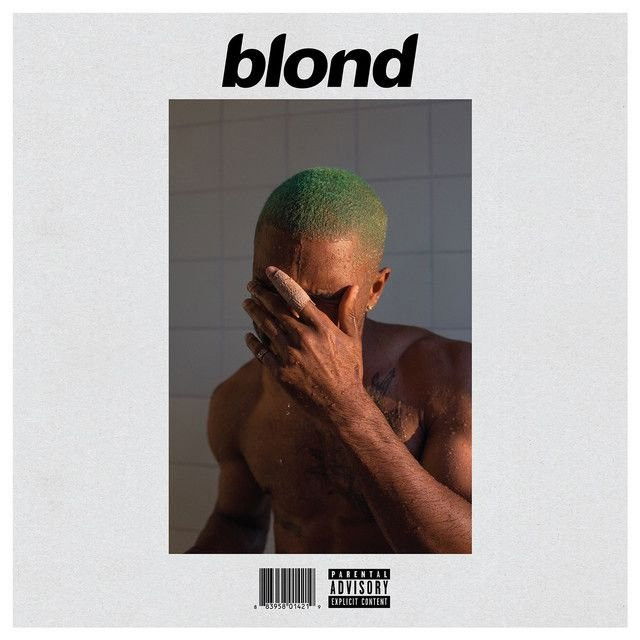
Released on Blonde in 2016, "Ivy" sits inside an album built from fractured recollection and intimate detail. According to the album credits at Frank Ocean's official release materials and major music databases like AllMusic, the song was written by Frank Ocean, Rostam Batmanglij, Jamie xx, Om'Mas Keith, and James Ryan Ho. That team helps explain why the track feels both organic and carefully sculpted.
A Love Story Remembered Too Late
At its heart, the song is about looking back after the damage is done. The opening frames love as a shock. When the narrator hears affection spoken aloud, it feels unreal, almost like waking inside a dream. That surprise matters because it suggests they were emotionally unprepared from the start.
The repeated phrase the start of nothin'
is especially painful. They are not saying the relationship meant nothing. They seem to mean it began without safety, structure, or a plan. Interpretation: the love was real, but it was unstable from day one.
That tension carries into the chorus, where anger and tenderness exist at the same time. The singer says hate is possible, but insists that deep down, the bond was still good. In simple terms, the song argues that a relationship can fail and still have been meaningful.

Watch the official Ivy
music video
The Memory Trap Inside the Verses
Much of "Ivy" works like a stream of recollection. They jump from feelings to scenes, then from scenes to small period details. That is why the song feels lived-in rather than summarized.
A few memories stand out:
- private drives and shared recklessness
- hotel hallways and physical closeness
- the shift from youth into adulthood
- the aftermath of saying and doing the wrong things
When the song says We were friends
, it resets the romance inside a larger history. This was not a fling. There was trust before the heartbreak. That makes the loss feel deeper.
Another key line is We'll never be those kids again
. This is one of the clearest statements in the track. The pain is not just about losing a person. It is also about losing a version of the self that existed with them.
Why the Chorus Keeps Returning
The chorus returns like a memory they cannot stop replaying. Each time, it gives the same emotional contradiction: resentment on the surface, attachment underneath. That push and pull is the engine of the song.
When they repeat I could hate you now
, the phrasing matters. It is conditional, not absolute. Hate is available, maybe even deserved, but it does not fully win. The song keeps circling back to the idea that whatever happened between them once felt true.
Interpretation: this is why the hook is so devastating. It refuses the clean ending that many breakup songs offer. There is no final closure here, only emotional overlap.
Signs, Symbols, and One Strange Line
The meaning of Ivy Frank Ocean also lives in its imagery. Walls, dreams, halls, and old vehicles all suggest spaces of memory. These are not abstract symbols alone; they feel like snapshots from a real life.
One of the most discussed lines is ivory's illegal
. Literally, it refers to something once prized that has become forbidden. Interpretation: in the song, that idea may point to innocence becoming complicated, or to a relationship that no longer fits the present. What used to feel natural now feels impossible to keep.
There is also a deep theme of performance and concealment. When the narrator suspects the other person is pretending, they imagine seeing through walls or minds. The wish is clear: they want certainty, but memory cannot give it.
How the Sound Carries the Ache
The production is a huge part of why "Ivy" lands so hard. Built around bright, lightly distorted guitar and restrained drums, the song feels warm but bruised. Credits listed by Genius and Discogs note contributions from Rostam, Jamie xx, and Om'Mas Keith, all known for textured, detail-heavy work.
Frank Ocean's vocal performance is just as important. They sound close to the listener, almost conversational, but there is strain in the upper register. That slight cracking quality gives the track a feeling of memory under pressure.
Instead of building to a giant release, the song keeps its sadness contained. That choice mirrors the lyrics. The pain is not theatrical; it is internal, persistent, and human.
More Than Romance on Blonde
Inside Blonde, "Ivy" helps define the album's larger world of fragmented time and emotional aftershock. Reviews from outlets like Pitchfork and Rolling Stone noted how the album turns memory into structure. "Ivy" is one of the clearest examples.
It is also one of Frank Ocean's most universal songs. Even with very specific details, the feeling is broad: they are stuck between acceptance and return. They know the past is gone, but they still hear it.
The Lasting Takeaway
So what is the meaning of Ivy Frank Ocean? It is a song about love remembered after it has already changed shape. It captures the cruel fact that people can outgrow a moment without outgrowing its emotional mark.
That is why "Ivy" stays with listeners. It does not ask whether the relationship survived. It asks what remains when youth, closeness, and certainty are gone.
Disclaimer: This article offers interpretation based on the released song, credits, and public album context. As with any work of art, listeners may hear meanings that differ from this reading.








