Why Frank Ocean’s “Lost” Feels So Dazzling and Sad
The meaning of Lost Frank Ocean comes down to a sharp contradiction: the song sounds light, stylish, and catchy, but its story is full of pressure, lies, and regret. On the surface, it moves like a road-trip anthem. Underneath, it tracks a relationship damaged by drugs, money, and the need for constant motion.
"Lost" - Frank Ocean
Big full breast on my baby (yo we goin' to Florida)
Triple weight
Loading lyrics...
Unable to load lyrics
We're unable to display the lyrics at this time. Please try again later.
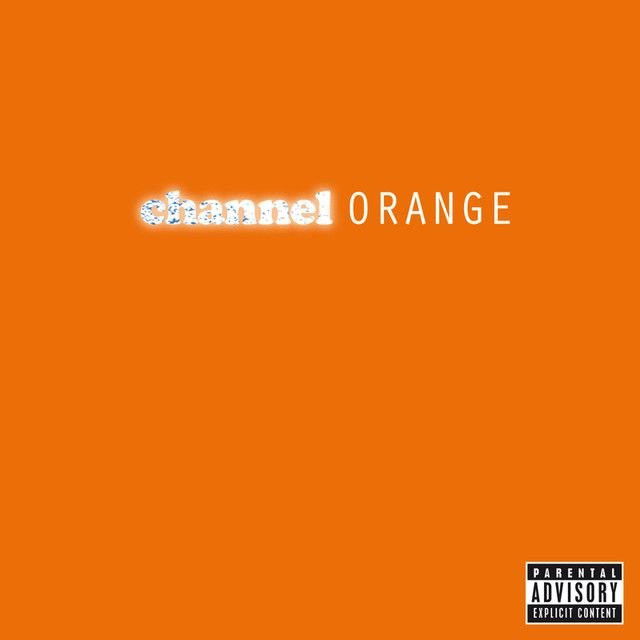
Released on Channel Orange in 2012 and later issued as a single, “Lost” became one of Frank Ocean’s most lasting songs. According to available release and credit information, it was written by Christopher Breaux, Micah Otano, Paul Shelton, and James Ho, and produced by Malay, Frank Ocean, and Om’Mas Keith.
A Love Story Already Going Off Course
The clearest reading is that the song tells a fictionalized story about a woman and a man caught in a dangerous lifestyle. He speaks as if he cares for her deeply, but the song keeps showing that his care is mixed with control, temptation, and excuses.
Early on, he compares his love to triple weight
. That line matters because it works two ways at once. It sounds romantic, but it also points to weighing drugs. In one phrase, Ocean fuses love and business, affection and criminal pressure.
That tension drives the whole track. The speaker asks why she is not going to work, then suggests that he can provide in ways a normal boss cannot. This is less a sweet promise than a recruitment pitch. He frames the life as glamorous, but the song slowly reveals the cost.
Watch the official Lost
music video
The Chorus Turns Adventure Into Emptiness
The hook is simple and devastating. When Ocean sings lost in the heat of it all
and lost in the thrill of it all
, he turns excitement into a warning. The same things that feel intense and alive also erase judgment.
The list of places—Miami, Amsterdam, Tokyo, Spain, Los Angeles, India—creates a sense of nonstop travel. They are always moving, always chasing the next place, the next high, the next scheme. But the movement does not mean freedom. It means drift.
Interpretation: the chorus suggests that modern luxury can feel like escape while actually becoming another trap. The characters are not grounded anywhere, emotionally or morally. They are simply in motion.
What the Verses Reveal About Guilt
The song gets darker as it goes. One of its most important moments is when the speaker admits she is at a stove
and says he cannot believe he has her cooking drugs. That admission changes the tone. It is no longer just style and travel. It is harm.
He then imagines a better future, saying she could someday make meals for a family of her own. That image is domestic, warm, and ordinary. It stands in sharp contrast to the present. He can picture a stable life, but he is not building one.
The most revealing part may be the self-justifying language around nothing wrong with a lie
. Instead of facing the damage directly, he keeps smoothing it over. That is how addiction and greed often work in songs like this: not through open evil, but through repeated rationalizing.
Nothing wrong
with another short plane ride
through the sky,
you and I
Paraphrased, the speaker treats travel and togetherness like proof that everything is fine. But the block of lines is clearly defensive. He protests too much, which makes the denial sound even sadder.
Bright Production, Dark Story
Part of why “Lost” endures is its sound. Reports on the song’s composition describe it as a blend of pop rock, R&B, and funk, moving at about 123 BPM in G minor. Critics have noted its springy rhythm, clipped guitar feel, layered backing vocals, and sleek synth touches.
That bright musical frame is crucial to the meaning of Lost Frank Ocean. The production sells the fantasy first. It feels fast, expensive, and airborne. Then the lyrics reveal what that fantasy is hiding.
This contrast is one of Ocean’s strengths as a writer. They often pair beauty with moral unease. Here, the upbeat arrangement makes the story more unsettling, not less, because listeners can hear how easy it would be to get seduced by the life being described.
Why the Song Kept Growing
“Lost” was already a standout from Channel Orange, but it also had a major second life years later. In 2022, the track surged again on social media and reportedly appeared in more than 176,000 TikTok videos. That resurgence helped push it back onto charts in several countries.
There is a reason the song traveled so well across time. It works in two modes at once:
- as a smooth, singable pop song
- as a morally complicated character sketch
- as a story about desire turning into disorientation
That combination makes it easy to replay and harder to fully shake off.
The Best Way to Read “Lost”
The strongest interpretation is that Frank Ocean is not celebrating this lifestyle so much as exposing its seduction. The speaker sounds stylish and persuasive, but the song leaves behind guilt, broken promises, and a repeated sense of dislocation.
In the end, “Lost” is about what happens when love becomes part of a hustle. The glamour is real, but so is the damage. The thrill keeps moving, and the people inside it lose their center.
That is why the song still lands: it understands that being lost does not always look messy from the outside. Sometimes it looks expensive, exciting, and impossible to quit.
Disclaimer: This article offers interpretation based on the lyrics, production, and publicly available song facts. As with most art, listeners may hear different meanings in “Lost.”







