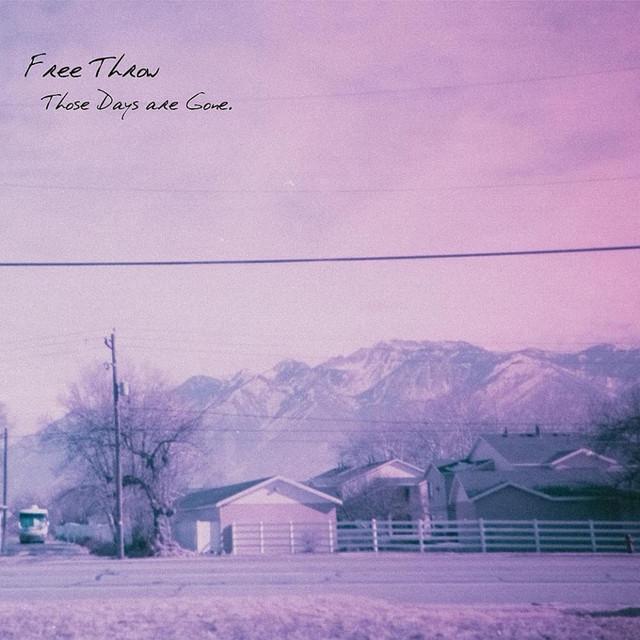
Tongue Tied by Free Throw
The meaning of Tongue Tied Free Throw centers on a painful contradiction: they know exactly what they feel, but they cannot say it to the person who needs to hear it. Instead of direct confrontation, the song turns inward. It becomes a confession about regret, broken trust, and the strange habit of still believing someone who already proved unreliable.
"Tongue Tied" - Free Throw
Waiting in the back of my mind, is you're not worth it
A daily dose of my own regret
Loading lyrics...
Unable to load lyrics
We're unable to display the lyrics at this time. Please try again later.
A Breakup Song About Words That Never Land
At its core, this is a song about emotional gridlock. The narrator is not confused about being hurt. They are confused about what to do with that hurt. Early on, the line tongue tied
frames the whole song as a struggle between feeling and expression.
They are full of unsaid thoughts, but those thoughts do not become a real conversation. The lyrics describe regret as a daily routine, which makes the pain feel ongoing rather than dramatic. This is not one huge fight; it is the long aftershock of a relationship that ended without real closure.

Watch the official Tongue Tied
music video
The Real Addressee Is Missing
One of the strongest ideas in the song is that the narrator keeps speaking, but not to the person who caused the pain. They admit they pour honesty into empty cans and bottles
, then call the song itself the definition of a diary
. In plain terms, they can write it, sing it, and rehearse it, but they cannot actually deliver it.
That is why the image of dialing a number and never placing the call matters so much. It turns heartbreak into a repeated habit. They keep returning to the edge of communication and stopping there.
A short key moment
Every day I dial your number
I just never make the call
This tiny scene says almost everything. They still want connection, but fear, pride, or pain keeps getting in the way.
Broken Promises Drive the Song
The emotional center of the track is not just sadness. It is betrayal. The narrator remembers promises about staying forever and making things right when life went wrong. Looking back, those promises now sound hollow.
When the song mentions you said forever
, it points to one of the oldest breakup wounds: the difference between what someone promised and what they actually did. The narrator even says liars and honesty cannot coexist, which is their clearest attempt to judge the relationship plainly.
Still, the song refuses to stay that simple. A few lines later, they admit they continue to believe the other person anyway. That conflict gives the track its depth. They know the facts, but their feelings have not caught up.
Why the Chorus Hurts So Much
The hook works because it sounds both resigned and desperate. Saying they are tongue-tied is not just self-description. It is also an excuse, a confession, and a trap. They cannot speak clearly, and because they cannot speak clearly, the pain keeps circling.
Another key phrase is not left untied
. Interpretation: this suggests they want resolution, even if it is ugly. They would rather have a painful ending than remain stuck in uncertainty. In that sense, the chorus is less about romance than about unfinished emotional business.
Falling as a Motif, Not a Literal Event
The most striking repeated image is the idea to contemplate the fall
. This likely is not a literal scene. Interpretation: it reads like standing on an emotional ledge, thinking about what happens if they finally let go, speak up, or surrender to the hurt.
That image works because it combines fear and choice. A fall can mean collapse, but it can also mean release. The narrator is suspended between those meanings, which matches the whole song's mood.
How the Sound Supports the Meaning
Free Throw are widely associated with emo and pop-punk scenes, styles built on confession, nervous energy, and catharsis. That matters here because the song's writing feels like a private journal entry pushed into a louder, communal form.
Even without leaning on production trivia, the lyrics suggest a familiar Free Throw approach: tight, urgent phrasing, repetition that mirrors obsessive thought, and a vocal delivery that likely carries strain rather than polish. That kind of sound fits a song about being unable to say things cleanly. The message is messy, so the performance should feel a little messy too.
The repeated diary idea also fits emo tradition. Instead of polished distance, they offer emotional immediacy. The song does not try to sound above the pain. It stays inside it.
One Song, Two Strong Readings
There are at least two useful ways to hear the meaning of Tongue Tied Free Throw.
Reading one: a breakup confession
The most direct reading is a post-breakup spiral. They miss someone, resent them, replay old promises, and cannot stop reaching toward a conversation that never happens.
Reading two: a song about self-defeat
Interpretation: the deeper target may be the narrator's own habits. The real enemy is not only the ex, but also their pattern of avoiding confrontation. The pain lasts because they keep choosing silence, alcohol, memory, and fantasy over direct action.
Both readings can be true at once. That is part of what makes the song feel honest.
Why It Connects
This song hits because many people know the feeling of composing the perfect speech in private and then saying nothing when it matters. "Tongue Tied" captures that gap with unusual clarity. It is about heartbreak, but even more, it is about the burden of unsent words.
In the end, the narrator is trapped between truth and delivery. They can name the lie, remember the promise, and turn the whole mess into music. They just cannot make the call.
Interpretation disclaimer: Song meaning is never fully fixed. This reading is based on the lyrics provided, Free Throw's style, and the emotional patterns the song presents.








