Why 'Won’t Let You Go' Feels So Earnest
The meaning of Won't Let You Go FRENSHIP, Bastille comes down to a simple but moving idea: love is not perfect, but they still choose to stay. Instead of painting romance as easy, the song admits missed chances, daily stress, and emotional gaps. Then it answers all of that with a promise of commitment.
"Won't Let You Go" - FRENSHIP, Bastille
Every little sweet, sweet nothin'
I only ever spare on you
Loading lyrics...
Unable to load lyrics
We're unable to display the lyrics at this time. Please try again later.
That is why the track feels warmer than a standard pop duet. FRENSHIP and Bastille do not describe a fairytale. They describe a relationship that has been tested by distraction, routine, and imperfect communication.
The Heart of the Song Is Staying Through the Mess
At its core, the song is about devotion after disappointment. The speaker knows they have not always shown love well. Early lines suggest affection was offered in small, inconsistent ways, even calling it half-assed lovin'
. That phrase matters because it lowers the mask right away: this is not a song about being flawless.
Instead, the song says real love can survive clumsy behavior. The central refrain, I won't let you go
, is less about control than reassurance. In context, it sounds like a vow made after recognizing past mistakes.
Interpretation: the chorus works because it does not erase the damage. It stands beside it. The promise means more because the verses admit that things have been hard.

Watch the official Won't Let You Go
music video
A Relationship Built From Ordinary Moments
One of the strongest ideas in the song is that love lives in everyday scenes, not just dramatic declarations. The mention of a missed dinner and memories around the table points to domestic life: shared meals, routines, and little habits that define a bond over time.
When the song refers to the kitchen table
, it turns a normal object into emotional evidence. This relationship matters because it has history. The speaker is not clinging to fantasy; they are holding onto a life they already started building with someone.
That detail helps explain why the song feels mature. They are not just chasing passion. They are trying to protect something familiar and real.
Where the Tension Comes From
The lyrics repeatedly show two forces pulling against each other:
- Love and intention
- Distraction and interruption
The song mentions the hustle, shuffle
and also describes interruptions as a wall. In plain terms, life keeps getting in the way. Work, routine, stress, and miscommunication create distance even when love is still present.
That is a very relatable conflict for adult relationships. People may care deeply for each other but still fail at showing it consistently. The song captures that gap between feeling love and performing love well.
I don't wanna lose you
never give up
not gonna leave
This short sequence makes the emotional pivot clear. After all the admitted flaws, the speaker becomes direct. They are not making a poetic argument anymore. They are pleading for endurance.
Why the Chorus Lands So Hard
The hook is repetitive, but that repetition is the point. Each return to I won't let you go
feels like a renewed decision. The verses bring in doubts and unfinished business; the chorus answers them with persistence.
Interpretation: the repetition may also suggest anxiety. They could be reassuring their partner, but they may also be trying to convince themselves that the relationship can still be saved. That slight uncertainty keeps the song from sounding too neat.
In other words, this is a promise song, but it is also a recovery song.
The FRENSHIP and Bastille Context Matters
The collaboration was not random. According to Billboard, FRENSHIP became close with Bastille while touring together in Europe, and James Sunderland said they wrote the song in Raleigh, North Carolina, during a hotel-room session with Dan Smith. Sunderland also explained that the song sat for about a year before Brett Hite added guitars and changed the whole vibe (Billboard).
That backstory helps the song make sense. It sounds like a track shaped over time rather than rushed into place. The final version carries both spontaneity and revision, which mirrors the song’s theme of working through difficulty instead of giving up.
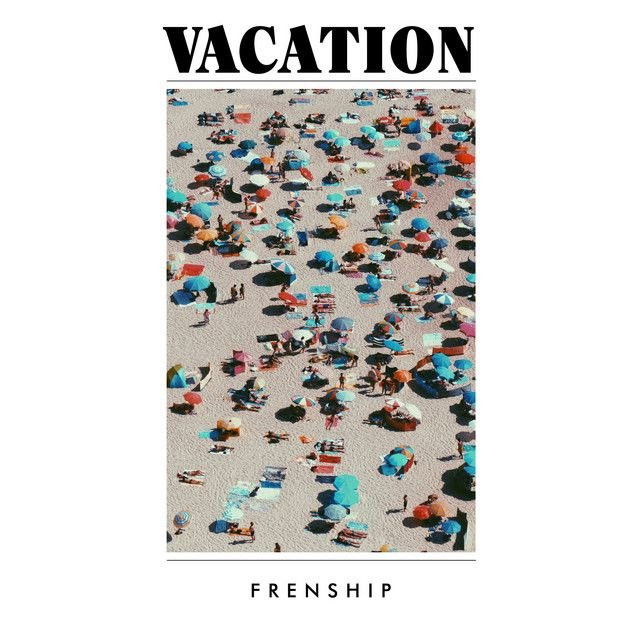
The same Billboard feature also notes that FRENSHIP’s album Vacation followed their move to Counter Records after leaving Columbia, a period the duo described in positive, fresh-start terms (Billboard). That wider album context—love, growth, and escape—fits this track well.
How the Sound Carries the Meaning
Production is a big part of the song’s message. FRENSHIP are known for sleek pop textures, but this track balances polish with a more human, band-like feel. Sunderland told Billboard that Hite slapped some guitars on it
, transforming the song’s energy (Billboard).
That choice matters. The guitars soften the electronic edges and make the track feel more lived-in. Instead of sounding cold or detached, it feels open and steady, which supports the theme of emotional persistence.
Bastille’s presence adds even more lift. Dan Smith’s vocal style often carries urgency and ache, so his feature helps turn the chorus into something communal. It sounds less like one person begging and more like two voices holding the same line together.
A Few Strongest Meanings, Side by Side
There are at least three believable ways to hear the song:
Devotion After Failure
The clearest reading is that they messed up, know it, and still want to repair the relationship.
Love Against Daily Drift
Another reading is that the real enemy is not betrayal, but ordinary life. Routine, busyness, and emotional fatigue almost pull the couple apart.
A Promise With Some Fear Inside It
Interpretation: because the hook repeats so often, it may reveal insecurity too. The speaker sounds loyal, but also afraid of losing what matters.
Why the Song Still Connects
The meaning of Won't Let You Go FRENSHIP, Bastille lasts because it is humble. It does not pretend love is effortless. It says people can be distracted, late, imperfect, and still deeply committed.
That honesty is the song’s best quality. It gives listeners a version of romance that feels reachable: not grand, not spotless, but chosen again and again.
Interpretation disclaimer: song meanings can vary by listener, and this reading blends lyrical analysis with available artist context.








