How "Castles" Turns Heartbreak Into Power
The meaning of Castles Freya Ridings comes down to one sharp emotional move: they take the wreckage of a painful relationship and turn it into a promise of self-worth. What starts as a song about being diminished slowly becomes a song about rebuilding.
"Castles" - Freya Ridings
You get that rush and then you walk out the door
You kept me small, it's what you wanted
Loading lyrics...
Unable to load lyrics
We're unable to display the lyrics at this time. Please try again later.
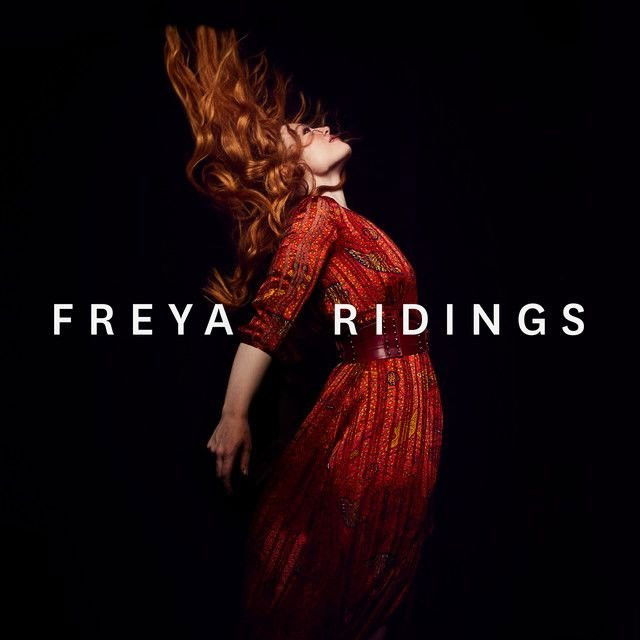
Freya Ridings broke through with emotional piano-led pop, and “Castles” fits that style well. It was written by Freya Olivia Rose Ridings and Daniel Leonard Nigro, whose credit is widely listed in official song databases and releases. The writing matters because the song feels built for a dramatic emotional climb rather than a quiet breakup diary.
A breakup song that starts in denial
In the opening verse, the speaker looks back at a relationship that seemed exciting but was quietly harmful. They describe being pulled in by intensity, then left behind. Short phrases like hit the target
and walk out the door
suggest a partner who knew how to create a rush, then disappear.
That pattern is important. The song is not just sad about someone leaving. It is about finally recognizing a cycle of control, hunger, and emotional dependence.
Interpretation: When the speaker says they were led into darkness and did not notice the damage at first, the song points to how unhealthy love can feel normal while someone is still inside it. The pain is real, but so is the delayed clarity.

Watch the official Castles
music video
The hidden wound: wanting what hurts
One of the strongest parts of “Castles” is that it does not pretend healing is simple. Before the big empowering hook arrives, the speaker admits they still hate that the person is gone and still do not want to let go. That contradiction gives the song its emotional truth.
Instead of acting fully healed, they confess the shame of still caring. The lyric phrase I don't wanna let go
shows that heartbreak is not clean. They know the relationship weakened them, yet they still feel attached to it.
This is where the song gets more interesting than a standard revenge anthem. It understands that recovery often begins with mixed feelings: anger, longing, embarrassment, and grief all at once.
Why the chorus changes everything
The chorus delivers the song's central image: build castles
from the remains of lost love. In plain terms, the speaker says they will turn emotional damage into something lasting and strong.
From the rubble of your love
I'm gonna be more than
You ever thought I was
That short passage is the heart of the song. The former partner saw weakness, limitation, or dependence. The speaker now answers with growth.
Interpretation: The castle image matters because rubble usually signals an ending. Here, ruin becomes raw material. The song does not deny destruction; it repurposes it. That shift is the full emotional argument of “Castles.”
The song's timeline, beat by beat
The lyrics move in a clear arc:
- They remember a love that felt thrilling but damaging.
- They admit they were kept small and did not fully see it.
- They confess they still feel the loss.
- They turn pain into a vow to become stronger.
That fourth step gives the track its release. By the later choruses, the repeated language is not just catchy. It sounds like self-retraining, as if the speaker is saying the words until they become true.
Symbols that make the message stick
The imagery in “Castles” is simple, but it works because each image carries emotional weight.
Rubble, darkness, and hunger
The song uses ruin, shadow, and emptiness to describe the relationship's impact. “Rubble” suggests collapse. “Darkness” suggests confusion or emotional isolation. “Hunger” suggests craving, as if the relationship trained the speaker to want attention that never lasted.
Together, these images describe a bond that fed on instability.
Castles as self-respect
A castle is more than a building. It suggests defense, height, permanence, and pride. That makes it a strong opposite to being kept small.
Interpretation: The speaker is not only trying to recover. They are trying to become unmistakably solid, someone who cannot be reduced so easily again.
How the sound supports the meaning
Freya Ridings is known for piano-centered ballads and powerful vocal crescendos, and “Castles” follows that emotional design. The arrangement builds from exposed verses into a larger, more anthemic chorus, which mirrors the movement from vulnerability to resolve.
The vocal performance also matters. Ridings often sings with a cracked, reaching intensity, and that style helps sell both sides of the song: the wounded attachment and the later strength. A flatter performance would make the message feel generic. Their dramatic delivery makes the transformation believable.
Production-wise, the song leans on contrast. Softer moments feel inward and bruised; bigger chorus sections feel public and defiant. That lift turns a private hurt into a communal sing-along, which is a big reason the song connected with listeners.
The clearest meaning of Castles Freya Ridings
The meaning of Castles Freya Ridings is not just that heartbreak hurts. It is that pain can expose a false version of love and push someone toward a stronger identity. The speaker does not magically forget the past. They rebuild in full view of it.
That balance is why the song lasts. It is both vulnerable and victorious.
Final takeaway
“Castles” works because it captures an awkward but real stage of healing: they still ache, but they have started to reclaim themselves. The song's promise is not instant recovery. It is transformation through damage.
That makes it less about revenge than rebirth.
Disclaimer: This interpretation is based on the released lyrics, performance, and public song credits. As with any song, listeners may hear meanings that differ from the reading above.








