Why Fuel's 'Hemorrhage' Still Hurts
Fuel’s biggest song sounds like a breakup anthem, but the meaning of Hemorrhage (In My Hands) Fuel goes deeper than romantic pain alone. It turns loss into something physical, immediate, and hard to stop. That is a big reason the track still lands so hard more than two decades later.
"Hemorrhage (In My Hands)" - Fuel
Drag the waters till the depths give up their dead
What did you expect to find?
Loading lyrics...
Unable to load lyrics
We're unable to display the lyrics at this time. Please try again later.
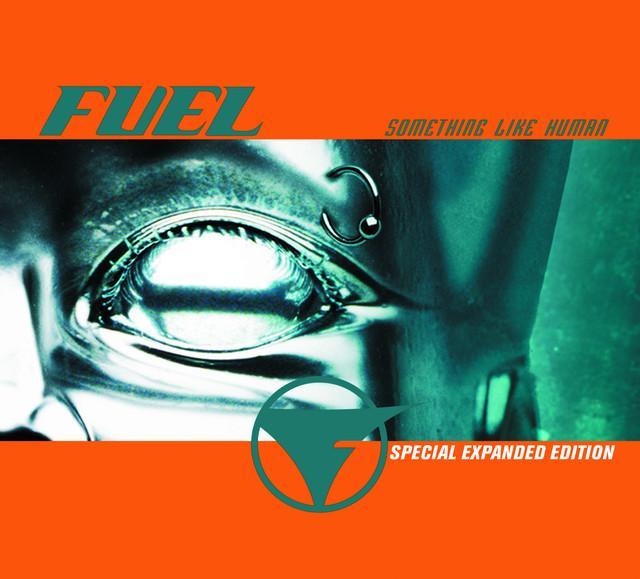
Released on September 14, 2000 as the lead single from Something Like Human, the song became one of Fuel’s defining hits. It spent 12 weeks at No. 1 on Billboard’s Alternative Airplay chart and was later ranked by Billboard among the biggest songs in that chart’s history. It was written by Carl Bell and produced by Ben Grosse.
A breakup song with a deeper wound
On the surface, the song follows someone pleading not to be abandoned. The chorus centers on the image of love left hurt and exposed, captured in the phrase leave love bleeding
. In plain terms, they are not just losing a partner. They are being left to deal with the damage alone.
Interpretation: That image is why the song feels larger than a normal split. A “hemorrhage” is not a small injury. It suggests emotional loss that is severe, ongoing, and maybe impossible to fully stop.
Carl Bell later explained that the song had a very personal starting point. On VH1 Storytellers, he connected an early version to his grandmother’s cancer and a painful family memory about death and helplessness. He also said the recorded song’s first verse reflects a male point of view in a burned relationship, while the second verse shows the woman’s vulnerability.

Watch the official Hemorrhage (In My Hands)
music video
Two voices, one collapsing connection
That writing choice matters. The first verse sounds like someone searching old emotional ground, trying to recover what is gone. When the lyric says Memories are just where you laid them
, it suggests the past is still there, but it cannot heal the present.
Then the song asks what someone expected to find by digging back into that pain. The effect is almost accusatory, but also sad. They seem to believe the relationship was damaged beyond repair before the other person came back.
The second verse changes the angle
The line hold me now
shifts the song from blame to need. Suddenly the speaker sounds less guarded, and the other person appears fragile too. The image of life as a black-and-white movie suggests numbness, repetition, and disconnection from real feeling.
Interpretation: This is why the song feels balanced rather than one-sided. It shows two hurt people trapped in a cycle, not one villain and one victim.
The chorus makes pain feel physical
The chorus is simple, but it carries the whole song. Phrases like Don't fall away
and in my hands
turn emotional loss into a scene they can almost see. They are holding the remains of love, but they cannot save it by force.
That idea gives the song its power. Many rock songs describe heartbreak. Fewer make it feel this bodily. “Bleeding” suggests panic, guilt, and urgency all at once.
Don't fall away
And leave love bleeding in my hands
This short refrain shows the song’s core conflict. They are asking for connection, but the language already sounds like they know the breakup may be inevitable.
Images of water, disease, and memory
Several of the song’s best lines use unsettling images instead of direct explanation. The phrase Drag the waters
evokes searching deep emotional space for something lost, buried, or dead. It is not a healthy memory trip. It feels desperate.
Then there is the word “contagious,” which links emotional pain to illness. That idea connects strongly to Bell’s real-life inspiration. Even if listeners never know the backstory, they can hear that this is a song about damage spreading through a person’s life.
The repeated focus on memory also matters. The problem is not only that love is ending. It is that one person remembers and the other, emotionally at least, seems gone already. That mismatch creates the song’s ache.
Why the music intensifies the meaning
Fuel recorded the track in a post-grunge style, and that sound is a perfect fit for the lyric. The guitars arrive with weight, but the arrangement leaves enough room for tension to build. Brett Scallions sings with strain rather than polish, which makes the plea feel lived-in instead of theatrical.
Ben Grosse’s production helps the chorus open up without becoming slick. The drums and distorted guitars push the emotion forward, while the vocal stays at the center of the wound. They do not hear a detached narrator. They hear someone trying to keep control and failing.
Why it connected so widely
Part of the song’s success comes from that mix of specificity and openness. It reached No. 30 on the Billboard Hot 100, No. 2 on Mainstream Rock, and became Fuel’s signature crossover hit. Listeners could hear romance in it, grief in it, or both.
Interpretation: The strongest reading is that the song uses a relationship story to carry a broader fear of losing someone and being powerless to stop it. That may explain why it still feels raw.
The lasting takeaway
The meaning of Hemorrhage (In My Hands) Fuel is ultimately about helplessness in the face of love and loss. Its lyrics present heartbreak as something messy, physical, and unforgettable, while its backstory gives that pain even more weight.
That does not mean there is only one correct reading. Like many great rock songs, it leaves room for listeners to bring their own history to it. Interpretation note: this article separates documented background from critical reading, and some meanings remain subjective.