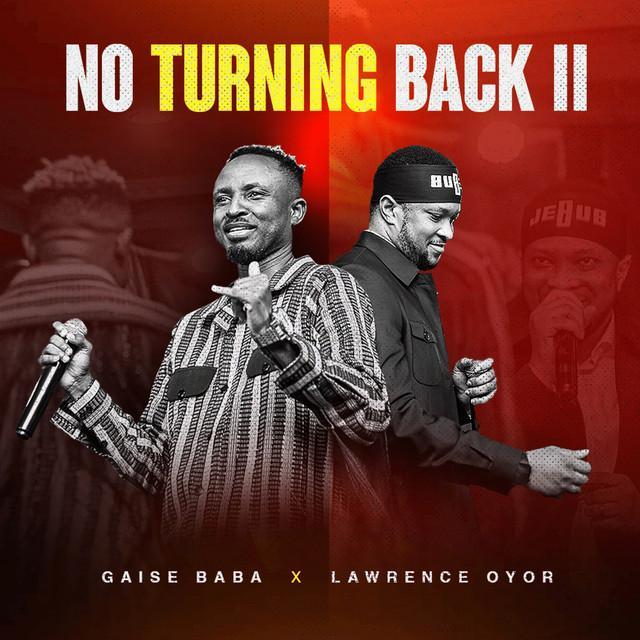
Why 'No Turning Back II' Hits Like a Mission
The meaning of No Turning Back II Gaise Baba, Lawrence Oyor starts with a simple faith statement and then turns it into a public pledge. This is not just a private worship song. It sounds like a decision made out loud, with the artists urging listeners to treat discipleship as action, not just emotion.
"No Turning Back II" - Gaise Baba, Lawrence Oyor
Come on
I have decided to follow Jesus
Loading lyrics...
Unable to load lyrics
We're unable to display the lyrics at this time. Please try again later.
Gaise Baba and Lawrence Oyor build the track around a famous Christian confession of commitment, then expand it with Nigerian street language, revival energy, and a group-chant feel. The result is a song about staying loyal to Jesus when the road is narrow, costly, and impossible to reverse.
A Decision Song, Not Just a Praise Song
At its core, the song is about commitment after conviction. The repeated idea of no turning back
is less about drama and more about finality. They present faith as a settled choice, not a mood that changes with pressure.
That matters because the verses add real-world resistance. One line says they have no other option, using the phrase Mi o ni choice
. In context, that does not mean helplessness. It means they believe they have seen something true enough that going backward would now feel dishonest.
For U.S. listeners, the emotional center is easy to recognize: this is the sound of a testimony turning into a vow.
How the Lyrics Move From Personal to Collective
The song’s structure is one reason it feels so powerful. It begins with the classic individual declaration, then broadens into a group mission. That shift changes the meaning.
At first, the speaker is talking about personal direction. They say the Spirit leads them, their mind is made up, and the road ahead may be narrow. The image of the “narrow” path echoes Christian teaching about a difficult but faithful way of life. In plain terms, they know other paths look easier, but they believe those roads are wrong for them.
Then the song scales up. It moves from “I have decided” to We will shift the culture
and 'til we hear well done
. Now the song is not only about avoiding spiritual backsliding. It is about building a movement.
We will heal the sick
We will raise the dead
Transform the nation
'til we hear well done
These lines push the message beyond inward devotion. They imagine public faith with visible impact: service, sacrifice, healing, and social change.
The Key Themes Beneath the Hook
The narrow road
One major theme is obedience despite difficulty. When the song says they will “go narrow,” it frames Christian life as a road many people may not understand. Interpretation: the artists are contrasting spiritual clarity with worldly approval. Others may think they are missing out, but they believe they are being guided.
No reverse gear
Another theme is irreversible transformation. The repeated refusals to go back sound intense because they suggest a before-and-after identity. They are no longer testing faith. They belong to it.
Faith as public work
The mission statements about spending resources, changing culture, and transforming a nation make the song bigger than individual salvation. Interpretation: it presents revival as something meant to spill into money, art, health, and society.
The Nigerian Context Shapes the Meaning
Part of what makes the song vivid is its language. It blends English with Yoruba-inflected phrasing and conversational slang. That gives the message a lived-in quality. It does not feel distant or formal. It feels spoken from inside a community.
Gaise Baba is known for mixing faith-centered music with contemporary African pop and streetwise delivery, while Lawrence Oyor is widely associated with revival worship and prayer gatherings, including messages shared through his ministry platform at Davidic Minstrels. Their partnership matters because the song sits between gospel anthem and revival chant.
That mix helps explain why the track feels both catchy and confrontational. It is inviting listeners to sing along, but also to examine whether they actually mean it.
Why the Production Feels Urgent
The production carries the message almost as strongly as the words. Instead of a quiet devotional arrangement, the song uses repetition, call-and-response, stacked vocals, and a driving pulse. That makes the commitment sound communal and unstoppable.
The recurring chants work like a march. Each return to the hook reinforces resolve. The vocal ad-libs also matter. They add spontaneity, as if the song is happening in real time rather than being carefully contained.
Interpretation: this sound design turns the central message into muscle memory. By repeating the promise over and over, the track mimics how conviction is formed in worship spaces: through declaration, agreement, and shared energy.
A Bold Line About Impact
Some listeners may pause at phrases about changing culture, spending big, or even “burning the world.” In context, that wording sounds metaphorical, not destructive. The song is using revival language to describe intense influence and wholehearted sacrifice.
In other words, they are not celebrating chaos. They are imagining faith so alive that it reaches every part of life. That reading fits the surrounding lines about healing, service, and hearing divine approval at the end.
Final Meaning of No Turning Back II Gaise Baba, Lawrence Oyor
The meaning of No Turning Back II Gaise Baba, Lawrence Oyor is about commitment that becomes mission. It starts with a person deciding to follow Jesus and grows into a community promising to live that choice out loud.
What gives the song its force is the way it joins old and new: a historic Christian refrain, modern slang, revival zeal, and contemporary Afrogospel energy, a lane Gaise Baba has helped champion in outlets like The Guardian Nigeria. They are not merely singing about belief. They are drawing a line and daring others to cross it with them.
Disclaimer: This interpretation is based on the song’s lyrics, performance, and public artist context. As with all art, listeners may hear meanings that differ from this reading.








