Why “Just To Get a Rep” Still Hits Hard
The meaning of Just To Get A Rep Gang Starr starts with a hard truth: the song is not celebrating crime. It is showing how robbery, fear, and violence can become a path to status in a broken social world. Gang Starr turn that idea into a warning story, where the desire for a name on the street becomes more important than human life.
"Just To Get A Rep" - Gang Starr
Stick up kids is out to tax
Stick up kids is out to tax
Loading lyrics...
Unable to load lyrics
We're unable to display the lyrics at this time. Please try again later.
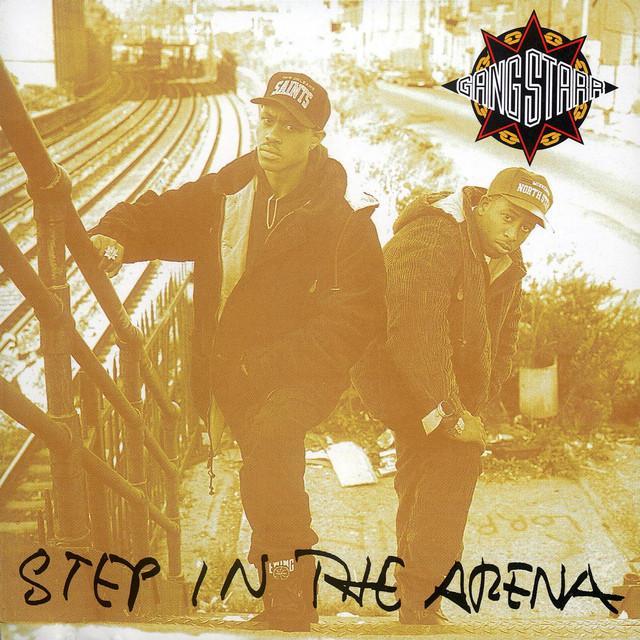
Released by Gang Starr and written by Keith Elam and Chris Martin, the track is one of the group’s early sharp-edged street narratives. Factually, Gang Starr were the duo of Guru and DJ Premier, and the song appeared on Step in the Arena in 1991, according to AllMusic and Discogs. Those facts matter because the group built their reputation on making hip-hop that was both vivid and thoughtful.
A Street Story With a Moral Center
At the surface, the song describes stick-up culture. The repeated phrase out to tax
frames robbery like an everyday system, almost a routine part of neighborhood life. That choice makes the danger feel constant, not rare.
But the deeper point is about motive. Gang Starr are interested in what happens when people confuse fear with honor. The song keeps returning to the idea of getting a name, or a little fame
, through crime. In that world, being known matters so much that morality drops away.
Interpretation: the song argues that street reputation is often hollow. The robber may look powerful for a moment, but that power depends on panic, weapons, and chance. It is not respect in any lasting sense.
Watch the official Just To Get A Rep
music video
How the Verses Build the Message
Guru tells the story in third person, which gives the song the feel of a report from the block. They are not hearing a confession from one criminal. They are hearing a wider portrait of a culture.
First verse: status through fear
The opening verse explains the pattern. A robber watches people for jewelry, cash, or symbols of success like a chain. The target is not random wealth alone. The thief wants visible trophies that can be worn later as proof.
That is why the line about the gold chain matters. The chain is both stolen property and a symbol. Once the robber comes back wearing it and claimin’ respect
, the neighborhood sees the performance of power. Gang Starr expose how image works: crime becomes a shortcut to recognition.
Second verse: violence without purpose
The second verse gets darker. A group corners someone and demands valuables. The victim gives them up, which should end the confrontation. Instead, the situation still turns deadly.
That is the song’s cruelest insight. The violence is no longer about money. It is about proving a point. When the track ends with just to get a rep
, Gang Starr strip away every excuse. What remains is ego, spectacle, and the need to seem feared.
Stick up kids is out to taxAnd this is how the story goes
That short refrain works like a grim headline. It says this story is only one example in a larger cycle.
What the Hook Really Means
The chorus is simple, but it does a lot of work. By repeating out to tax
, the song makes robbery sound normalized. That is disturbing on purpose. It suggests a neighborhood economy where force has replaced fairness.
Interpretation: the hook also sounds almost detached, which makes it even colder. Instead of shouting outrage, the song presents the pattern as familiar. That calm delivery tells listeners how common this behavior has become.
DJ Premier’s Beat Makes the Warning Stronger
The production is a big part of the meaning of Just To Get A Rep Gang Starr. DJ Premier gives the track a stripped, tense sound that leaves space for Guru’s storytelling. Rather than using a lush or celebratory beat, he builds a lean backdrop that feels watchful and uneasy.
That matters because the song is about pressure and sudden escalation. The beat does not distract from the narrative. It locks listeners into it. Premier’s early work with Gang Starr is widely noted for jazz-rooted sampling and hard drums, a style documented in sources like Britannica and The Recording Academy.
Guru’s voice helps too. He sounds controlled, not hysterical. That restraint gives the story credibility. They sound like they have seen this before, which makes the outcome feel even more tragic.
Bigger Themes Beneath the Plot
The song touches several themes at once:
- false respect versus real respect
- peer pressure and performance
- everyday danger in public spaces
- the way violence becomes social currency
One key phrase is daily operation
. Those words suggest this is not one monster acting alone. It is a repeated social script. The song briefly nods to people blaming society
, but it does not let individuals off the hook either. That balance is part of what makes Gang Starr strong writers.
Why the Song Still Matters
The track still lands because its subject has not disappeared. They are hearing a song about how people chase identity through intimidation, and that idea reaches beyond one era or one neighborhood. The details are rooted in early 1990s hip-hop realism, but the psychology is timeless.
In the end, Gang Starr are not impressed by a violent reputation. They are exposing it. The song shows how a person can build a name quickly and lose their humanity even faster.
Interpretation disclaimer: This reading is an informed interpretation based on the lyrics, Gang Starr’s context, and the song’s production. Different listeners may hear slightly different emphases in the story and its message.







