Why Garbage Made Gloom Sound So Cool
The meaning of Only Happy When It Rains Garbage comes from a clever mix of confession, attitude, and satire. On the surface, the song sounds like a blunt admission that they feel best in sadness. But the more they push that idea, the more the track starts to feel like a performance of darkness too.
"Only Happy When It Rains" - Garbage
I'm only happy when it's complicated
And though I know you can't appreciate it
Loading lyrics...
Unable to load lyrics
We're unable to display the lyrics at this time. Please try again later.
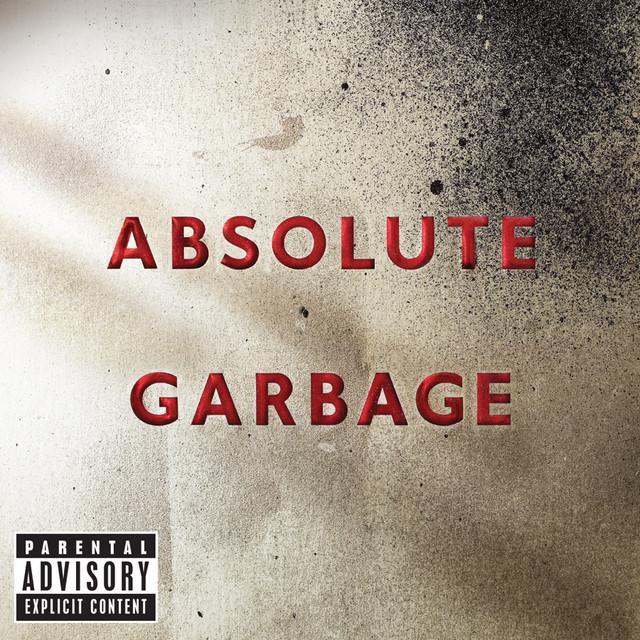
Released on Garbage's 1995 self-titled debut, the song became one of the band's signature singles and helped define their image in the alt-rock era. Factually, Garbage's original lineup included Shirley Manson, Duke Erikson, Steve Marker, and Butch Vig, whose production background shaped the band's sleek, layered sound. Garbage's official site and Encyclopaedia Britannica's entry on Butch Vig both support that broader context.
The Heart of the Song: Misery as Identity
At the center of the song is a speaker who claims emotional bad weather feels more natural than joy. When they repeat only happy when it rains
, they are not just describing mood. They are building an identity around discomfort, gloom, and emotional drama.
That is why lines about liking things when they are complicated matter so much. The song suggests that peace may feel boring, while sadness feels vivid and real. In plain terms, they seem to trust negative feelings more than easy happiness.
Interpretation: This can be read as a portrait of someone who has lived in sadness long enough that it feels safe. Instead of escaping misery, they invite it in.

Watch the official Only Happy When It Rains
music video
A Dark Joke Hidden in Plain Sight
The song also works because Garbage do not present this darkness as pure tragedy. They lean into it so hard that the message becomes funny, sharp, and self-aware. Phrases like news is bad
and sad, sad songs
exaggerate the speaker's taste for gloom until it feels almost theatrical.
That matters because 1990s alternative culture often treated alienation as a badge of honesty. Garbage seem to be playing with that idea. They are not just saying sadness exists. They are showing how people can turn sadness into style.
Interpretation: One reading is that the song mocks the performance of being damaged. Another is that it captures a real emotional pattern while still knowing how dramatic it sounds. The power comes from holding both meanings at once.
Who They Seem to Be Singing To
The song's voice feels direct and almost teasing. The speaker addresses someone who may not fully understand them, then keeps pushing the point anyway. When they hint that another person will eventually understand the complaint, the song frames the relationship as tense, not comforting.
There is also a striking emotional limit in don't care
. Paraphrased, the speaker says company is welcome only if it asks for nothing deep or healing. That makes the song less like a plea for help and more like a warning label.
The emotional timeline in brief
- They announce their attraction to emotional storms.
- They connect sadness with pleasure and familiarity.
- They push another person away from real closeness.
- They repeat the chorus until misery sounds almost ritualistic.
Rain, Night, and Misery as Symbols
Rain is the song's clearest symbol. It stands for sadness, conflict, and mental heaviness. It is not refreshing rain. It is emotional weather that keeps hanging over everything.
Night imagery does similar work. When the speaker describes comfort in darkness, they imply that pain can become easier to handle than daylight honesty. The blackness is not only depressing; it is protective.
Then there is the repeated request to pour your misery down
. Paraphrased, the speaker asks for suffering almost like a substance or atmosphere. Misery becomes something external that can be shared, absorbed, or worn.
I'm only happy when it rains
Pour some misery down on me
That short refrain captures the whole worldview: they do not simply endure sadness; they turn toward it.
Why the Sound Matters So Much
Garbage's production is a huge part of the song's meaning. The track blends distorted guitars with electronic beats and a tight, polished mix, creating a feeling that is messy in theme but controlled in execution. That contrast is important.
The lyrics say emotional chaos feels good, but the music is precise and designed. That makes the darkness sound fashionable, not sloppy. Butch Vig's production history, including work with major alternative acts, helps explain why the song feels both gritty and studio-crafted. Britannica offers reliable background on his career.
Shirley Manson's vocal delivery also shapes the song. She sounds cool, dry, and slightly amused rather than shattered. Because of that, the track avoids becoming a simple cry of pain. It sounds like someone controlling the story of their sadness.
Why the Song Still Connects
Part of the song's lasting appeal is that many listeners know the feeling of being suspicious of happiness. Some people hear it as a joke about loving moody music. Others hear a real confession about depression, self-protection, or emotional habit.
The meaning of Only Happy When It Rains Garbage lasts because the song never forces one answer. It understands that people can romanticize sadness and still truly feel it. That tension gives the track its bite.
Final Take: Misery With a Mirror In It
Garbage made a song that sounds like a gloomy anthem, but it also reflects on why gloom can feel attractive. They turn sadness into a persona, then let listeners decide whether that persona is armor, truth, or satire.
That ambiguity is the point. The song is dark, catchy, and smart enough to know that misery can be both a feeling and a performance.
Disclaimer: This article offers interpretation based on the song's lyrics, sound, and public context. Meanings can vary from listener to listener.








