Why 'It Ain't The Whiskey' Hurts So Much
The meaning of It Ain't The Whiskey Gary Allan comes down to one hard truth: the song is not really about drinking. It is about grief that has gone untreated, the kind that sits under every bad habit and keeps a person stuck. The singer stands in a recovery meeting, hears people blame alcohol and drugs, and then pushes back. In their view, the real damage comes from heartbreak and memory.
"It Ain't The Whiskey" - Gary Allan
Listened to the walking wounded tell their stories.
My turn came I told 'em my name. I said this ain't my first time.
Loading lyrics...
Unable to load lyrics
We're unable to display the lyrics at this time. Please try again later.
That is why the song lands so deeply. It uses the language of addiction, but its center is emotional loss. Gary Allan turns that idea into a country ballad about self-destruction, denial, and a pain that refuses to fade.
A Recovery Room Becomes a Confession Booth
The first verse sets the scene with striking economy. The narrator is in a room full of wounded people, a place that feels almost sacred. They listen, wait, and then admit they have been here before. That detail matters because it suggests a cycle. This is not a first mistake. It is a repeated attempt to get better.
Then the song swerves. Someone says the bottle is ruining their life, but the narrator rejects that simple answer. When they insist it ain't the whiskey
, they are not claiming alcohol is harmless. They are saying alcohol is only the visible symptom. The cause is buried deeper.
Interpretation: The meeting setting shows a person who knows the language of recovery but does not yet believe recovery can touch the real wound. They can name the behavior, but they cannot release the memory behind it.

Watch the official It Ain't The Whiskey
music video
The Real Enemy Is Memory
The chorus explains the song's emotional core. The narrator lists substances and rough nights, then points to what really hurts: things I can't forget
. That short phrase carries the whole song. Their problem is not only what they drink or smoke. It is what they remember when the room goes quiet.
This is what gives the lyric its force. Instead of glamorizing drinking, it strips it of power. The bottle is demoted from villain to coping tool, and a failing one at that. The line that's killin' me
lands because it shifts the blame toward inner damage.
It ain't the hard times.It ain't the all nights.It ain't that easy,'Cause it ain't the whiskey
In that brief section, the song argues against easy explanations. Hard living matters, but it is not the whole story. The singer is trapped by emotional injury, not just reckless behavior.
Heartbreak Sits at the Center
The second verse finally names the source. The narrator asks what can fill the empty spot inside of me
, then traces that emptiness back to lost love. Someone left, and the breakup tore out whatever stability they had. That image makes the song more than a generic drinking ballad. It becomes a portrait of abandonment.
This is also where the title becomes almost ironic. The song says one thing on the surface, then reveals another underneath. Yes, whiskey is present. But heartbreak is the author of the chaos.
Interpretation: The missing lover may be literal, but they can also stand for any major loss. A breakup is the stated event, yet the song speaks broadly to anyone trying to numb grief that no substance can erase.
Why Gary Allan Was the Right Voice
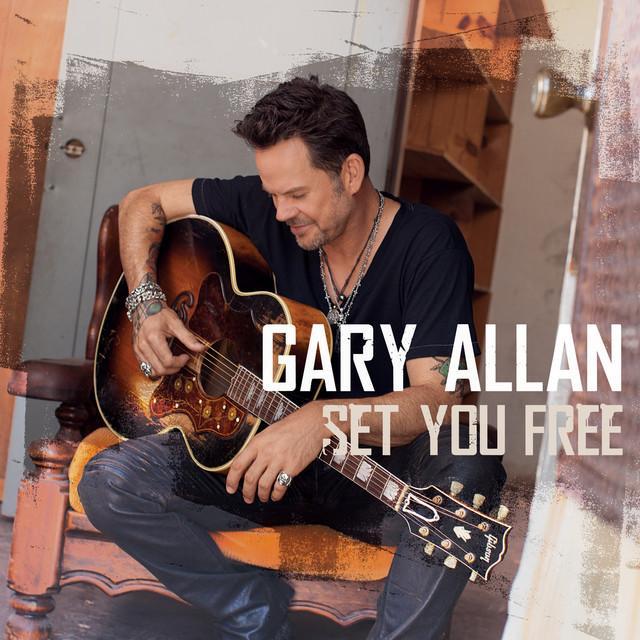
Gary Allan has long been one of country music's most believable singers of bruised material. His catalog often leans toward loneliness, regret, and emotional wear. That made him a natural fit for this song when it appeared on his 2012 album Set You Free. The track was written by Cole Degges, Greg Barnhill, and Jim Beavers, and Allan recorded it in a way that feels lived-in rather than theatrical.
That context matters. Allan's voice is rough but controlled, which helps the song avoid melodrama. They sound like someone trying to stay upright while telling the truth. According to MCA Nashville, Allan's work often centers on emotionally direct country songs, and this track is one of the clearest examples.
How the Sound Deepens the Meaning
The production is restrained, and that restraint is key. Instead of a big arena build, the arrangement leans on slow tempo, soft drums, steel guitar, and acoustic space. The result feels intimate, like the listener is sitting in the same room as the confession.
Nothing in the instrumental tries to overpower the lyric. That choice mirrors the theme. The singer cannot escape their thoughts, and the music does not let them hide. When Allan's vocal rises, it sounds less like a performance than a crack in the mask.
This is one reason the song connected with listeners. It does not preach. It does not offer a neat fix. It simply shows how a person can know they are self-medicating and still feel unable to stop.
A Song About Addiction, or About Denial?
There are two strong readings of the song, and both can be true.
First, it can be heard as a heartbreak song dressed in recovery language. In that reading, lost love is the true wound, and the rest is fallout.
Second, it can be heard as a song about denial. When the narrator says it ain't the whiskey
, they may be telling a partial truth while still avoiding responsibility. The pain is real, but alcohol still makes the spiral worse.
That ambiguity is smart songwriting. It gives the song emotional tension. The narrator is honest enough to name the hurt, but maybe not honest enough to admit every part of the problem.
Why the Song Still Resonates
The meaning of It Ain't The Whiskey Gary Allan lasts because it understands something many people feel: destructive habits often begin as pain management. The song does not excuse that behavior, but it does humanize it. It says the visible mess usually has an invisible source.
That is why the chorus stays with listeners. It turns a country drinking song into something sadder and sharper: a confession that memory can outlast any numbing agent.
Disclaimer: This article offers interpretation based on the released song, its lyrics, and available artist context. Meanings can vary from listener to listener.








