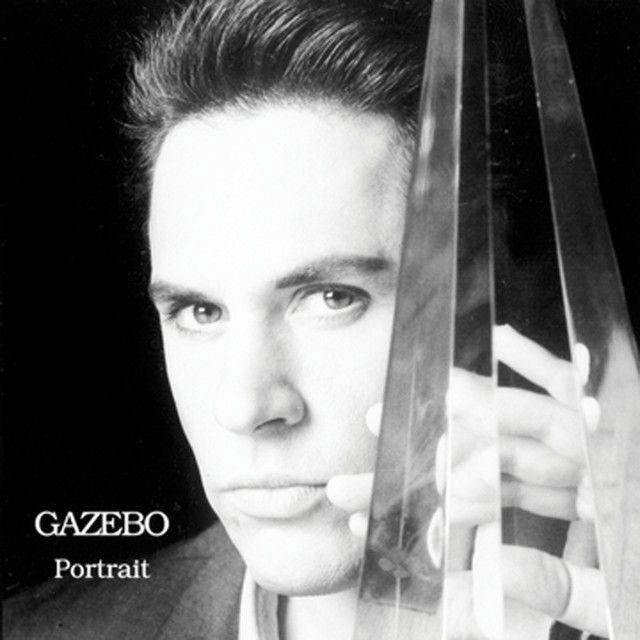
I Like Chopin by Gazebo
A rainy synth ballad turned global hit, Gazebo’s 1983 single pairs Italo disco shimmer with the ache of memory. Despite the title, the track doesn’t quote Chopin; its music is original, composed and produced by Pierluigi Giombini, with lyrics by Gazebo (Paul Mazzolini). It rose to No. 1 in several European countries after its September 1983 release and later inspired hit covers, especially in Japan. For listeners seeking the meaning of I Like Chopin Gazebo, the core is simple: love lingers, and certain sounds—like a piano in the rain—unlock everything.
"I Like Chopin" - Gazebo
So delightful unusual
That classic sensation
Loading lyrics...
Unable to load lyrics
We're unable to display the lyrics at this time. Please try again later.
Desire in the Downpour: What the Song Really Says
At heart, this is a song about longing that refuses to fade. The narrator recalls an affair through the filter of weather and music, locating desire in the soft patter of rain and the memory of a piano. When they sing Rainy days never say goodbye
, they frame bad weather as a promise rather than a threat. Rain becomes a keeper of feelings.
The hook grounds the theme: even when skies are gray, togetherness reignites passion. The line growing in your eyes
turns the partner’s gaze into a forecast—storms and feelings gather at once. This is a romantic paradox: rain and yearning rise together.

Watch the official I Like Chopin
music video
Who’s Speaking, and to Whom?
The voice is first-person, addressing an intimate “you.” The refrain I like Chopin
works like a shared password. It hints at candlelit rooms and minor-key reveries without spelling everything out. When they add love me now and again
, it sounds like a half-plea for irregular comfort—less than commitment, more than a memory.
Interpretation: the narrator may be stuck in a cycle where brief reunions keep deeper wounds fresh. The song never names the conflict, but the emotional shape is clear: a once-bright connection now survives in fragments, especially when music plays and rain falls.
A Short Timeline of Feeling
- Opening scene: the memory of a piano and a rush of mixed emotion.
- The chorus widens the view: rain stands in for desire that returns on cue.
- Verses sketch bright images—sunshine reflections, blue skies—as distractions that can’t replace the pull of the past.
- The hook loops back, each time deepening the question: what keeps them tied?
By the time the narrator asks Tell me where's my way
, the mood shifts from confident nostalgia to lost traveler. The song becomes a search.
Symbols & Motifs That Do the Heavy Lifting
- Rain: Persistence. Instead of washing feelings away, rain preserves them.
- Eyes: Intimacy and forecast. Emotions “grow” there before they break.
- Piano/Chopin: Cultural shorthand for moody romance and refinement. It stands for the atmosphere of high feeling, not a specific melody.
- Sun and blue skies: Pleasant distractions that can’t outlast real longing. The contrast makes the rain imagery feel earned, not dreary.
Interpretation: the weather pattern mirrors relationship cycles—brief clearings, long showers of memory.
How the Sound Amplifies the Story
Giombini’s production is a masterclass in mood-setting. A piano-like synth lead sings over a steady drum-machine pulse, while pads bloom like mist. The tempo sits in that mid-range sweet spot that makes it a slow-dance without dragging. Reverb gives space, as if the track were unfolding in a glass atrium during a storm.
Those choices connect directly to the text. The bright, lyrical lead line suggests classical elegance without quoting Chopin. The soft kick and snare make the chorus feel weightless, helping the words about rain and desire float. Gazebo’s vocal—gentle, slightly distant—sounds like someone telling a secret they’ve told themselves many times.
Fact check for fans: the music is original and doesn’t lift from Chopin, even as the title salutes his aura. Credits split cleanly—lyrics by Gazebo, composition/production by Giombini—showing why the track feels both literary and sleek.
Why It Resonated Then—and Now
Released in 1983, the single topped charts across Europe and helped define the romantic side of Italo disco. Its reach extended far beyond Italy; a 1984 Japanese-language cover became a No. 1 hit as well. That cross-border success makes sense: anyone who has loved and lost knows how a single sound can summon a whole past.
For U.S. listeners discovering the track today, the meaning of I Like Chopin Gazebo stays current because it marries a timeless image—rain at the window—with glossy synth-pop that still works on the dance floor and the drive home.
Alternate Readings Worth Considering
- Interpretation: It’s not about a specific breakup at all. The chorus could be a broader claim that art—Chopin as symbol—keeps desire alive during life’s gray days.
- Interpretation: “Chopin” stands in for a private ritual. Saying
I like Chopin
means, “I remember who we were,” a code that turns nostalgia into action.
Both readings fit the evidence: coded language, weather metaphors, and a narrator torn between sweetness and direction.
Final Note
Gazebo’s classic turns a name-drop into a language of love. Rain and piano become memory’s messengers, and the heart learns that even cloudy days can keep a flame alive.
Disclaimer: Song meanings are interpretive and may differ from the artist’s stated intent or individual listener experience.







