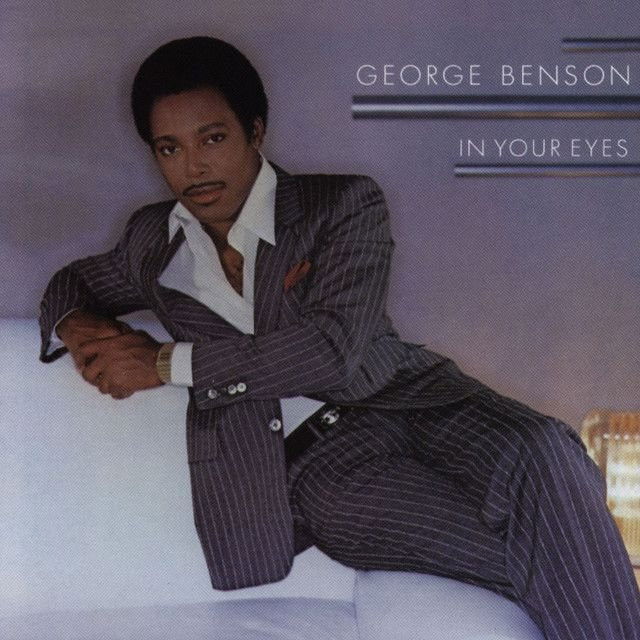
Why George Benson’s “In Your Eyes” Feels So Sure
George Benson’s “In Your Eyes” is a love song about trust that has survived uncertainty. For listeners searching for the meaning of In Your Eyes George Benson, the heart of the song is simple: two people have been tested by time, but one partner now sees the relationship with new clarity.
"In Your Eyes" - George Benson
I can see beyond your smile
I think that I can show you
Loading lyrics...
Unable to load lyrics
We're unable to display the lyrics at this time. Please try again later.
Released in 1983 as the title track from Benson’s album In Your Eyes, the song became a notable hit, reaching No. 7 on the UK Singles Chart, according to the Official Charts-linked summary. It was written by Dan Hill and Michael Masser, and produced by Arif Mardin and George Benson. Those facts matter because the song blends polished adult-pop songwriting with Benson’s warm R&B phrasing.
A Love Song About Recognition, Not Infatuation
At first, the lyric sounds like a standard romantic ballad. But it is not really about the first rush of love. It is about what happens after doubt, change, and emotional wear. The singer is not guessing anymore; they believe they finally understand the person in front of them.
That is why the opening idea matters so much. When the singer says I can see beyond your smile
, the message is deeper than attraction. They are claiming they can now recognize the other person’s inner life, not just their surface charm.
Interpretation: this makes the song less about fantasy and more about emotional maturity. It suggests that real love begins when someone sees past appearances and chooses commitment anyway.
Watch the official In Your Eyes
music video
The Central Image: Eyes as Proof
The chorus gives the song its main symbol. Eyes are treated as a place where truth becomes visible. In everyday life, people often talk about the eyes as revealing feeling, honesty, or fear. This song uses that same idea in a soft, romantic way.
The repeated phrase In your eyes
works like a promise. Each return to it says the singer has found evidence that the relationship is still alive. They see hope, answers, and direction there.
One of the song’s most important lines is about being drifting safely back to shore
. The relationship is imagined as a journey at sea. That image suggests danger first, then rescue. They were not always secure, but now they are moving back toward safety.
Time Is the Real Obstacle
The strongest verse in the song is the one about change. Instead of pretending love exists outside real life, the lyric admits that time can pull people apart. It openly asks whether two people will become strangers or grow together.
That tension gives the song weight. Without it, the chorus might feel too sweet. With it, the song becomes convincing. The lovers are not celebrating because life is easy; they are celebrating because their bond has endured pressure.
life changes
nothing stays the same
These short lines capture the song’s main conflict. Everything around the couple is unstable, but the singer believes love can still hold.
Interpretation: the song presents love as an active force, not a passive feeling. It survives because both people keep returning to each other, even when life shifts around them.
The Thread and Shore Images Explained
Two images carry most of the emotional meaning:
- Thread: love can fray, loosen, and feel close to breaking.
- Shore: love can also guide people back to steadiness.
The thread image is especially strong because it avoids fairy-tale language. A thread is delicate. It can unravel. Yet it can also bind things together. That turns love into something fragile but useful, something that needs care.
The shore image adds closure. Water often represents uncertainty in songs. Shore means rest, orientation, and home. Together, these metaphors say the relationship has passed through confusion and found its balance again.
How George Benson’s Performance Changes the Meaning
Benson’s recording style is a big reason the song feels reassuring instead of dramatic. His voice does not push the lyric into heartbreak. He sings with control, warmth, and calm conviction. That makes the message sound earned.
The production also supports that reading. The arrangement is smooth and polished, built for early-1980s adult contemporary and R&B radio. Soft keyboards, steady drums, and a glowing melody keep the song from sounding raw or desperate. Instead, it feels reflective.
That polished sound fits Benson’s broader career. He was already known for blending jazz skill, pop accessibility, and soulful phrasing, as reflected in his artist discography. On “In Your Eyes,” that crossover strength helps the lyric land with grace.
A Song of Renewal, Not Rescue
A useful way to hear the meaning of In Your Eyes George Benson is to notice that the singer is not being saved by a stranger. They are rediscovering someone they already love. The song is about renewal inside an existing bond.
That is why the closing emotion feels satisfying. The final thought, learned to love you more
, is not a flashy declaration. It is humble. Love here is something they grow into more fully over time.
Final Take
“In Your Eyes” endures because it treats romance as both fragile and durable. It admits fear, change, and distance, then answers them with trust. Benson’s smooth delivery makes that message feel believable rather than idealized.
For many listeners, that is the song’s lasting power: it says love is not proven by intensity alone, but by the quiet moment when someone finally sees clearly and stays.
Disclaimer: This interpretation is based on the released lyrics, recording context, and available song history. As with any song, listeners may hear personal meanings that go beyond this reading.







