Why 'Piano in the Dark' Still Hurts
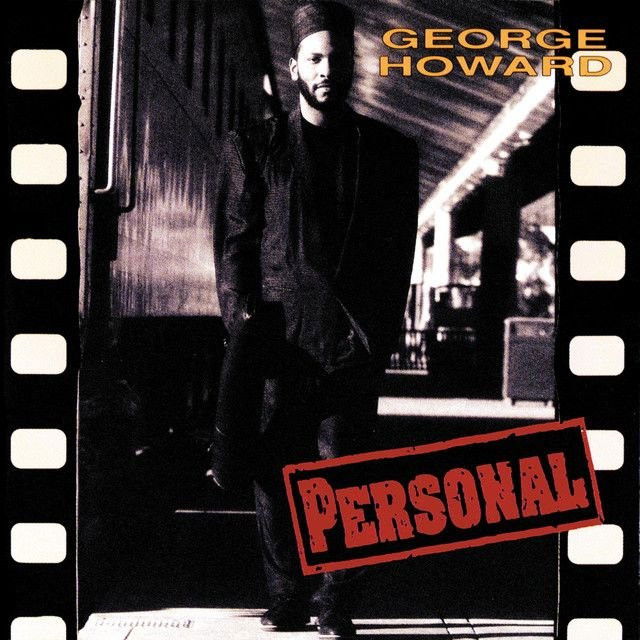
The meaning of Piano In The Dark George Howard starts with a mistake many listeners make: this is not a George Howard original. The well-known song is by Brenda Russell, with Joe Esposito, from the 1988 album Get Here, and it was written by Brenda Russell, Scott Cutler, and Jeff Hull. That factual context matters because the song sounds like a jazz-pop standard, but its emotional point is very personal: someone tries to leave a relationship and finds that music keeps pulling them back.
"Piano In The Dark" - George Howard
I never think about all the funny things you said
I feel like it's dead
Loading lyrics...
Unable to load lyrics
We're unable to display the lyrics at this time. Please try again later.
The track became one of Russell's signature hits, and its success on the charts helped fix it in late-1980s adult contemporary radio. On Russell's Get Here album, the song stands out for its blend of pop structure and jazz feeling. Credits for the song's authors are widely documented in reference listings such as AllMusic.
A Love Song About Being Unable to Leave
At its core, the song is about emotional relapse. The narrator knows the relationship is damaged, maybe even over, yet they cannot fully detach. The verses build that conflict through small private moments: watching the clock, standing in a quiet room, preparing to go, then feeling the other person's presence all over again.
That is why the line caught up in the middle
matters so much. The song is not about simple romance. It is about being stuck between reason and desire. They know letting go would be healthier, but they are not emotionally free enough to do it.
Interpretation: the song presents love less as comfort than as a force of return. The heart does not move in a straight line. It circles back.
Watch the official Piano In The Dark
music video
How the Story Moves From Distance to Surrender
The song unfolds like a short scene:
- They begin in reflection, alone with time.
- They decide to act and finally leave.
- At the threshold, emotion rushes back.
- Music breaks their resolve.
That doorway image is key. Just when the narrator is about to step out, they feel something powerful and familiar. The song says they are pulled back to love you
, which turns love into gravity. It is not framed as a calm choice. It feels physical.
The chorus sharpens the problem. They admit, I cry just a little
when thinking about leaving. That phrase is modest on the surface, but it suggests the opposite. If they are crying even a little at the thought, then the bond still runs deep.
The Piano as Memory, Seduction, and Weakness
The title image is the song's masterstroke. A piano in darkness is more than a literal instrument in a dim room. It becomes a symbol for everything words cannot settle: memory, desire, atmosphere, and emotional surrender.
When the song says piano in the dark
, it links sound and shadow. Darkness suggests uncertainty, secrecy, and vulnerability. Piano suggests tenderness and artistry. Put together, the image describes a place where defenses collapse.
Interpretation: the piano may represent the lover's special power. He does not argue the narrator back into the relationship. He plays, and that music reaches a part of them logic cannot control.
That idea is reinforced by another short phrase, thief of the heart
. The lover is close and intimate, but also dangerous. The song does not paint him as evil; instead, it shows how charm can feel like theft when someone is trying to protect themselves.
The silence is broken
And no words are spoken
These lines capture the song's emotional engine. The relationship's real language is not conversation. It is mood, touch, and music. Silence breaks, but not through explanation. That is why the narrator remains trapped: nothing has been solved, yet everything has been felt again.
Why the Sound Matters as Much as the Words
Part of the meaning of Piano In The Dark George Howard becomes clearer when listeners focus on the arrangement. The production wraps Russell's voice in soft keyboards, restrained drums, and a smooth jazz-pop texture. The song never rushes. That slow pace mirrors hesitation.
The melody also rises and falls in a way that feels like a person trying to stay composed and then slipping. Russell's vocal delivery is controlled, but there is strain inside it. They do not sound wild or dramatic; they sound torn. That choice makes the song more believable.
Even the title's piano image is reflected in the arrangement. The keys do not just decorate the song. They act like memory cues. Every chord feels like another reason the narrator cannot leave the room, the lover, or the past.
Artist Context Clears Up the Song's Identity
Some searches phrase the track as "Piano In The Dark by George Howard," likely because George Howard was a major smooth jazz saxophonist and the song's title sounds at home in that world. But the hit version belongs to Brenda Russell. Getting that right improves any reading of the song.
Russell's background in soul, adult contemporary, and jazz-influenced pop helps explain why the track sits between styles. It has the intimacy of an R&B confession, the polish of 1980s pop, and the harmonic warmth of jazz. That crossover sound is one reason the song lasted.
Two Strong Ways to Read the Song
There are at least two useful readings.
Reading One: It Is About Romantic Addiction
In this view, the narrator knows the relationship is unhealthy but returns anyway. The clues are the repeated hesitation, the tears, and the sense that music disarms them.
Reading Two: It Is About Art's Power Over Judgment
Here, the lover matters, but music matters more. The piano becomes the thing that revives feeling and blurs reason. They do not go back because an argument convinced them. They go back because art reaches where words fail.
Both readings fit the text, and both make the song richer.
Why the Song Endures
What keeps the song alive is its honesty about mixed feelings. Many breakup songs choose strength or despair. This one chooses conflict. The narrator is not over it, not at peace, and not ready.
That is the lasting meaning of Piano In The Dark George Howard: a person can understand a relationship is ending and still be unable to walk away when memory, intimacy, and music flood the room at once.
Disclaimer: This interpretation is based on the released song, its credited writers, and common critical reading. As with any art, listeners may hear different meanings in it.







