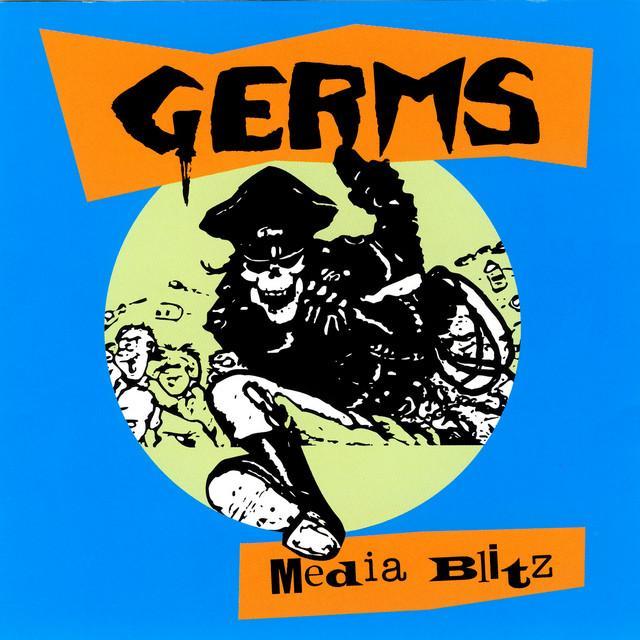
Why 'Lexicon Devil' Feels So Dangerous
The meaning of Lexicon Devil Germs starts with a simple but unsettling idea: words can act like weapons. The song does not just describe rebellion. It stages a voice that wants power, followers, and total control.
"Lexicon Devil" - Germs
And I'm lookin' for a future, the world's my aim
So gimme, gimme your hands, gimme, gimme your minds
Loading lyrics...
Unable to load lyrics
We're unable to display the lyrics at this time. Please try again later.
That is why the track still hits so hard. It sounds like punk chaos, but beneath the noise is a sharp study of rhetoric, manipulation, and the thrill of destruction.
The Core Meaning Hides in the Voice
Factually, "Lexicon Devil" first appeared on the Germs' 1978 Lexicon Devil EP, released by Slash Records and produced by Geza X. It was the label's first release, and the EP version came before the faster take later cut for GI in 1979. Darby Crash wrote the lyric with guitarist Pat Smear, whose given name is Georg Ruthenberg, according to release histories and credits in the available record documentation.
Interpretation: the song is less a diary entry than a performance of authoritarian speech. The narrator calls themself lexicon devil
and has a battered brain
, which mixes verbal brilliance with instability. That pairing matters. They are not presenting a healthy leader. They are presenting a damaged one who still knows how to seduce a crowd.
Crash later explained that the song only fully makes sense with Hitler in mind, especially his speeches and command of language. In other words, the lyric is built around the frightening force of persuasion, not just generic punk anger.

Watch the official Lexicon Devil
music video
A Punk Song About Mind Control
The hook keeps asking for bodies and thoughts. When the narrator demands gimme your hands
and gimme your minds
, the song turns from rebellion into recruitment. They are not asking people to think for themselves. They are asking them to surrender.
That makes the chorus the key to the meaning of Lexicon Devil Germs. The repeated requests sound childish on the surface, almost like playground greed. But the repetition gives them a rally-chant quality, like propaganda boiled down to slogans.
Interpretation: the song shows how movements can grow through rhythm and repetition. A listener may feel the thrill before fully facing what the words imply.
The Verses Build a Violent Fantasy
Across the verses, the narrator imagines followers as tools, toys, and soldiers. The details move from juvenile imagery to open bloodshed. That shift is important because it shows how fantasy hardens into ideology.
One section imagines armies and enforcers; another promises to level your heads
. That phrase works on two levels. It can mean organizing people under one command, but it also hints at flattening individuality. The same voice that promises a future also threatens to erase difference.
Later, the song talks about an established joke
and a rotten system that should be shoved aside. That is classic punk language on one level. Many punk songs attack stale politics and dead institutions.
Interpretation: what makes this song different is that it never clearly separates liberation from domination. The speaker wants to tear down the old order, but they sound ready to replace it with another harsh order of their own.
Why the Hitler Context Changes Everything
Without context, some listeners could hear "Lexicon Devil" as a raw anti-establishment anthem. With context, it becomes much more troubling and much more interesting.
Crash reportedly said the song's idea rests on understanding Hitler's speeches and what words could do in the hands of a mass leader. That does not automatically make the song an endorsement. Instead, it frames the lyric as an act of role-play, exaggeration, and provocation.
Still, this is where careful reading matters. The Germs also used provocative visual material around the EP, including Nazi-related imagery on the sleeve. The front reproduced Hubert Lanzinger's painting The Standard Bearer, while the back used anti-fascist political art by Arthur Szyk. Together, those choices created confusion, confrontation, and debate.
Interpretation: the song and artwork seem designed to show how fascist spectacle attracts attention, even as it exposes that attraction as ugly and dangerous.
How the Sound Carries the Message
The original EP version is slower and more deliberate than the later album take. That matters because the pace makes the lyric sound like a manifesto instead of a sprint. Each demand lands with more weight.
The production story also helps explain the feel. Pat Smear did not have an amplifier for the sessions, so producer Geza X had him plug through effects and directly into the board, creating a wiry, abrasive guitar tone. Nicky Beat played drums on the session, while Don Bolles joined the band soon after.
Interpretation: the dry, thin, cutting guitar sound mirrors the song's theme. It does not feel warm or communal. It feels sharp, exposed, and invasive, like speech that slices into a room.
Why the Song Endures in Punk History
"Lexicon Devil" lasts because it is not just fast or loud. It is conceptually bold. Other punk songs attacked authority; this one dramatized the making of a new authority.
That helped give Darby Crash a special place in early Los Angeles punk. Fellow musicians often said his lyrics were more complex than people realized in live performance. The writing here is confrontational, but it is also carefully constructed around slogans, commands, and apocalyptic ambition.
Final Take
The meaning of Lexicon Devil Germs is best understood as a song about the seduction of power through language. It speaks in the voice of a would-be leader who promises upheaval, demands obedience, and turns rebellion into control.
That tension is why the song still feels dangerous. It is not simply yelling against the world. It is asking how easily a crowd can be moved by the right words.
Disclaimer: This interpretation mixes documented context with critical reading. As with many punk songs, meaning can stay open, especially when the artist used shock, persona, and irony on purpose.








