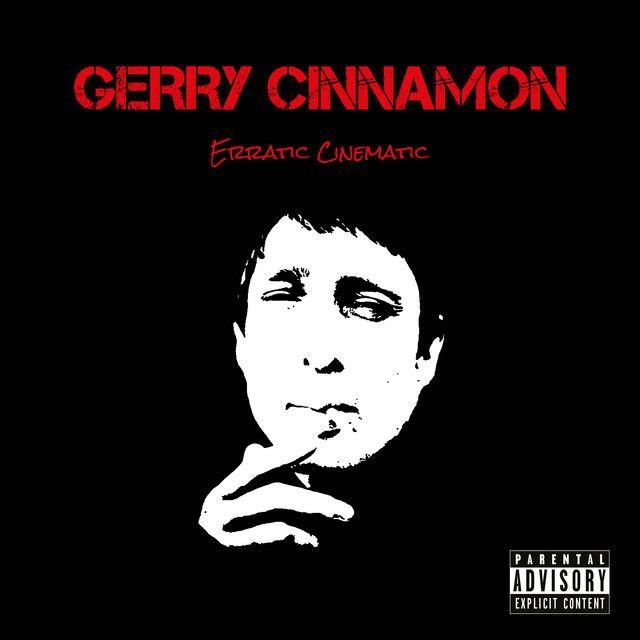
Why 'War TV' by Gerry Cinnamon Still Hits Hard
The meaning of War TV Gerry Cinnamon comes into focus fast: this is a blunt anti-war song about profit, denial, and the strange distance created when suffering arrives through a screen. Gerry Cinnamon turns global conflict into something people consume at home, then asks what that distance does to conscience.
"War TV" - Gerry Cinnamon
In a town called the world
And the suits turn their profit
Loading lyrics...
Unable to load lyrics
We're unable to display the lyrics at this time. Please try again later.
The song appeared on The Bonny, released on April 17, 2020, as reported by NME. That matters because Cinnamon was writing in a period when public debate was full of distrust, disinformation, and anger. In the same track-by-track feature, they described another song on the album, “Every Man’s Truth,” as dealing with minds being “bombarded with disinformation.” That wider context helps explain why “War TV” feels less like one political statement and more like a warning about modern life.
A Protest Song About Distance and Complicity
At its core, the song says war becomes easier to tolerate when it is turned into spectacle. The opening image, war on the TV
, shrinks something huge and tragic into a familiar household object. That phrase is simple, but it carries the whole concept: mass suffering appears packaged, edited, and remote.
The next target is power. When the lyric points to the suits turn their profit
, it frames war as business as much as ideology. The song does not present conflict as a noble mission. Instead, it suggests that decision-makers can benefit from chaos while staying physically far from its worst consequences.
Watch the official War TV
music video
The Song's Moral Argument
The sharpest accusation comes when the lyric says leaders are ready to make war but won't send their sons
. Paraphrased, the point is clear: the people who argue loudest for violence often do not bear the risk themselves. Others are expected to fight, die, and grieve.
That is why the song feels angry without sounding abstract. It is not only about governments. It is also about the class divide built into war: some people decide, others pay.
Who Is Speaking in "War TV"?
The narrator sounds like an ordinary person with a strong moral line. They say they are not afraid to stand up and do what they can, but they also reject the idea that violence abroad must be justified as part of some sacred plan.
This matters because the speaker is not pretending to be perfect or heroic. They sound grounded, skeptical, and human. That makes the message stronger. Rather than preaching from above, the song sounds like someone looking around and refusing to accept the official script.
Faith, Courage, and Refusal
One striking moment pushes back against religious language used to excuse violence. The song says, in effect, that even if there is a larger plan, it likely is not bombing in a far away land
. The phrasing rejects any easy moral cover for destruction.
Interpretation: this part is less about religion itself and more about moral responsibility. The singer refuses to let faith become a shield for empire.
Why the Chorus Feels Like an Accusation
The chorus is built around a challenge: stop acting like this is hard to understand. The song argues that many people already know what is wrong, but choose comfort over honesty.
Its most biting image is head in the sand
. That phrase turns the listener into someone hiding from what is obvious. The repeated idea that “you already know” is what gives the song its emotional force. It is not trying to reveal a secret. It is trying to break denial.
Interpretation: the chorus widens the blame. It is not only leaders who are on trial. Passive audiences are too.
The Strange Spoken Interludes
One of the most memorable choices in the song is the spoken material that sounds like old civil-defense advice. It describes where to go, how to find cover, and what to do when alarms sound.
Those sections do two things at once:
- They make war feel frighteningly ordinary.
- They add bitter irony by using calm, instructional language.
- They suggest that societies learn how to manage fear instead of preventing violence.
The result is eerie. The song briefly stops being a rant and starts sounding like a public-service film from another era. That shift makes the danger feel historical and current at the same time.
Symbols That Broaden the Message
Cinnamon adds larger cultural references to show this is not about one event. Nero laughing while Rome burns points to reckless leadership during collapse. The mention of Animal Farm suggests systems that divide people, shape opinion, and keep power concentrated.
These references are not academic decoration. They make the song feel like part of a long tradition of political art. War, propaganda, and elite self-protection are presented as repeating patterns, not isolated mistakes.
How the Sound Supports the Lyrics
Even without flashy production, the writing carries weight because Cinnamon's style is direct and acoustic-led. In comments about The Bonny, they praised the honesty of acoustic music and said there is “no hiding” with it in an NME interview feature. That aesthetic fits “War TV” perfectly.
The likely effect is a protest-song feel: plain arrangement, clear words, and vocal urgency over polish. When a song is this message-driven, stripped-back delivery can make every line land harder. It sounds less like performance and more like confrontation.
Final Read on the Meaning of War TV Gerry Cinnamon
The meaning of War TV Gerry Cinnamon is ultimately about moral distance. It attacks the way war is sold, justified, televised, and quietly accepted. It also asks listeners to admit what they already suspect: violence often serves power before it serves people.
That is why the song lasts. It is not only anti-war. It is anti-denial.
Disclaimer: This article offers an interpretation based on the lyrics, artist context, and available reporting. Songs can support more than one valid reading.









