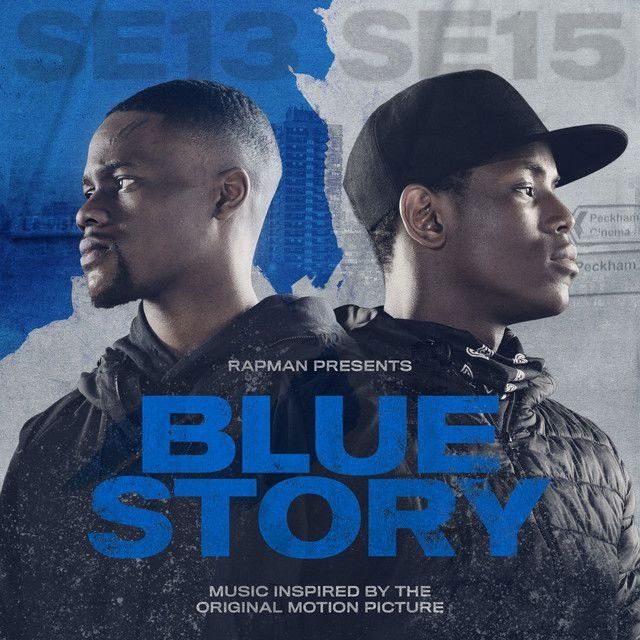
How Giggs Turns Paranoia Into Power
The meaning of Dark Was The Case Giggs comes through in two linked ideas: danger is always near, and survival requires control. Giggs does not tell a neat story from start to finish. Instead, they build a self-portrait out of threats, warnings, flexes, and quiet personal details.
"Dark Was The Case" - Giggs
(Yeah)
Dog, ah what that? (Ah what that?)
Loading lyrics...
Unable to load lyrics
We're unable to display the lyrics at this time. Please try again later.
That structure matters. The song feels like a mind under pressure, scanning for enemies, defending status, and then briefly stepping back to show family life and memory. The result is not just a tough track. It is a picture of someone who has learned to live with tension.
The Core Message Hides in Plain Sight
At its center, the song is about living in a world where respect, safety, and success all feel unstable. Giggs keeps returning to the idea that people around them are reckless, false, or weak. When they describe looking at the grass for the snakes
, the image is simple but sharp: betrayal is expected, not surprising.
Interpretation: that makes the title phrase feel bigger than one event. Dark was the case
sounds like a verdict on the mood around them. Things have turned ugly, tense, and morally clouded. In that setting, trust is limited and response has to be immediate.
They also frame themselves as someone who has come through wrongdoing and pressure. A line like making it right
suggests correction, but not softness. The song never becomes apologetic. Instead, it says they are still standing, still building, and still watching.

Watch the official Dark Was The Case
music video
Threats, Bravado, and Street Logic
A lot of the verses use battle language. Giggs speaks to rivals as if weakness invites consequences. The repeated challenges and taunts are not there only to shock. They help establish a code: in this world, hesitation gets punished and talk means little without action.
That is why lines about online posturing feel important. When Giggs mocks people who said things on the internet but could not call directly, they contrast performance with reality. Reputation, in their view, must be backed up in person.
Why the Aggression Feels Calculated
The song’s aggression is heavy, but it is rarely chaotic. Giggs sounds measured, almost amused at times. That coolness adds to the menace. They are not panicking; they are assessing.
Interpretation: this controlled style suggests power comes from emotional discipline. Even when the lyrics describe retaliation, the voice sounds like it has already decided the outcome.
The Surprise Turn Toward Family
One of the strongest parts of the song is its sudden turn away from confrontation. After bars about enemies and hustle, Giggs moves into scenes of home life, children, and everyday conversation. Those moments change the whole track.
They mention being at home with their child, watching play, and speaking on the phone with a son. This does two things at once:
- It humanizes the narrator.
- It shows what is being protected.
Without those lines, the song could sound one-note. With them, the stakes become clearer. Survival is not just about ego. It is also about providing, staying present, and holding onto some peace beyond the street.
A Song About Growth, Not Just Dominance
The meaning of Dark Was The Case Giggs also includes ambition and self-reinvention. Giggs talks about work, design, gifts, and making things their own. Even in a threatening setting, they present themselves as creative and driven.
That matters because the song keeps pushing against the idea that street life is glamorous. When they say people are wasting their time
, it sounds like criticism from someone who knows that life too well. They are not romanticizing it. They are saying many people chase shine without understanding the cost.
There is also a reflective streak near the end, especially when they mention old pictures and possible regret. The shrug and sigh matter. They suggest memory without confession, weariness without surrender.
How the Sound Carries the Weight
Giggs has long been known for a deep, slow, unmistakable delivery, a style widely noted in coverage of their career and influence in UK rap. The production here matches that presence: spare drums, dark bass, and lots of open space. There is no lush melody softening the mood.
That musical emptiness is effective. It makes each line hit harder and lets pauses feel threatening. The beat does not rush, and Giggs does not rush either. That shared patience creates authority.
The Vocal Performance as Meaning
When Giggs says face it I'm fly
, it lands as more than bragging. The line arrives inside a voice that sounds unbothered, which turns style into dominance. Even the ad-libs and laughs add something: they make conflict feel familiar, almost routine.
Interpretation: the sound design tells listeners this darkness is normal to them now. They are not trapped by it, but they are shaped by it.
Context Around Giggs Helps Explain It
Giggs is one of the defining figures in UK rap, praised for a distinct flow and for helping shape British street rap into a major force. That broader reputation matters when reading this song. They often balance intimidation with blunt realism, and this track sits firmly in that lane.
The writers provided here are Jason Thompson and Nathaniel Thompson, and the lyrics themselves show a style built on short punches, internal rhyme, and repeated sounds. The rhyme approach is not ornate, but it is effective. It mirrors the message: direct, pressurized, and unsentimental.
Final Take on the Song’s Meaning
So, what is the meaning of Dark Was The Case Giggs? It is a meditation on living alert. The song shows a person surrounded by rivalry and distrust, yet still focused on work, identity, and family.
Its darkness is not only violence. It is the mental weather of a life where success brings more eyes, more envy, and more need for caution. Giggs turns that mood into presence, and presence into power.
Disclaimer: This interpretation is based on the lyrics provided and publicly known artist context. Song meaning can remain subjective, and different listeners may reasonably hear different emphases.









