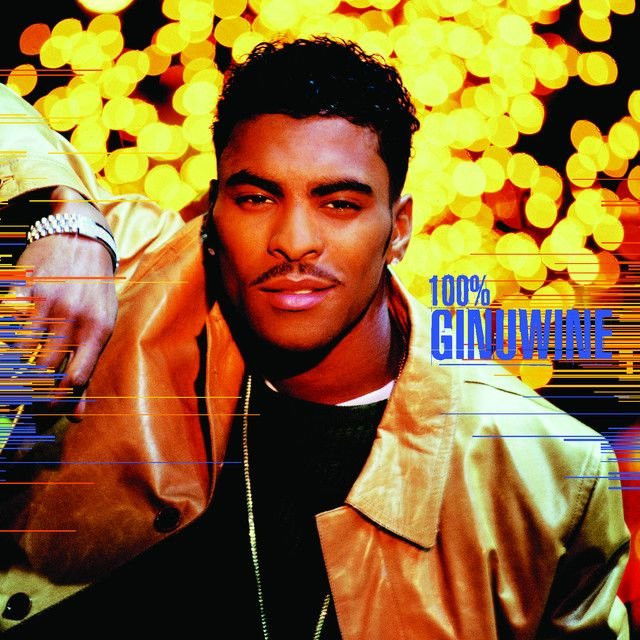
Why "Same Ol' G" Still Feels So Honest
The meaning of Same Ol' G Ginuwine comes down to a simple but lasting idea: success does not have to erase identity. In this song, they present fame not as a dream fulfilled, but as a test of character. The narrator has more visibility, more responsibility, and a different lifestyle than before. Still, they insist the core person remains intact.
"Same Ol' G" - Ginuwine
And usually when I wear a suit
I leave with not one but two
Loading lyrics...
Unable to load lyrics
We're unable to display the lyrics at this time. Please try again later.
That is why the song still connects. It is not bragging for its own sake. It is a calm defense of authenticity from an artist who knows other people may assume fame has changed them.
A Fame Song That Pushes Back
Factually, Same Ol' G
was written by Stephen Garrett, Jimmy Douglass, and Timothy Mosley, and produced by Timbaland. It was first recorded for the Dr. Dolittle soundtrack in 1998 and later included on 100% Ginuwine as that album’s lead single. Timbaland also appears with spoken ad-libs. Those release details are widely documented in reference sources and liner-note-based credits.
That context matters because the song arrived when Ginuwine was moving from breakout star to established name. The lyrics respond directly to that new visibility. When the singer mentions having their own CD and maybe being on TV, the point is not celebrity glamour. The point is how quickly public success can make people question whether someone is still real.
Watch the official Same Ol' G
music video
The Heart of the Message
At its center, the song says: they have changed in circumstance, but not in essence. The hook leans on the phrase same ol' G
to make that argument plain. In everyday language, they are saying that fame may alter the surface, but not the soul.
This works because the verses are honest about real change. They no longer move exactly as they once did. They used to spend more time out, but now they are more likely to stay home. They think more about tomorrow. They also seem aware that adulthood brings distance from old habits and old circles.
I used to be the main one clubbingBut now I choose to stay at home
That short moment captures the song’s emotional turn. It is not about denying change. It is about naming a healthier kind of growth and refusing to let others mistake maturity for phoniness.
Growing Up Without Selling Out
One of the strongest parts of the song is how it separates growth from betrayal. The narrator does not claim to be frozen in time. Instead, they admit they are less reckless than before. A line like thinking 'bout my future
shows a person looking ahead instead of only living for the night.
Interpretation: this makes the song less defensive and more reflective. They are not just saying, “Trust me, I’m unchanged.” They are saying, “Yes, my life is different—but my values and self-recognition are still here.”
That distinction gives the song emotional maturity. Many songs about fame either celebrate luxury or complain about fake friends. This one takes a middle route. It recognizes public success while holding onto private identity.
How the Chorus Reframes Everything
The chorus repeats the contrast between exposure and selfhood. Short phrases like on t.v.
and got my own CD
represent status markers. But each one is followed by the deeper claim that there ain't no changing me
.
That structure matters. Every symbol of fame is answered by a statement of continuity. In other words, the song builds tension and resolves it in the same breath. Public image says one thing; inner character says another.
Interpretation: the repetition is almost persuasive, as if the singer is speaking both to outsiders and to themselves. The more the world changes around them, the more important it becomes to repeat who they are.
Timbaland’s Production Makes the Point Stronger
The sound is a huge part of why the message lands. Timbaland’s late-1990s production style often used space, unusual rhythm, and clipped percussion rather than thick, conventional grooves. Here, that approach gives the track a poised, almost conversational feel.
Ginuwine’s vocal is smooth and controlled, which fits the lyric’s confidence. He does not sound panicked or angry. He sounds settled. That matters because the song is not really about fighting critics. It is about calmly stating the truth.
Timbaland’s spoken break helps too. He frames the issue directly: people say artists are changing, but sometimes it is everyone around them who changes first. That spoken section turns the song from personal testimony into a broader statement about fame and perception.
Why the Song Endured
Commercially, the track became a notable airplay hit in 1998, reaching the top 20 on U.S. R&B airplay formats. Even without a standard Hot 100 run under the chart rules of the time, it had clear reach and helped bridge Ginuwine’s first wave of success into the next chapter of his career.
But numbers only explain part of its legacy. The song lasts because its theme is common and human. Many listeners know what it feels like when others assume growth means arrogance, distance, or disloyalty. Same Ol' G
answers that fear with a mature idea: a person can evolve and still remain recognizably themselves.
The Lasting Meaning of Same Ol' G
So, the meaning of Same Ol' G Ginuwine is not just “I have not changed.” It is closer to this: they have grown up, gained success, and adjusted their life, but they still know who they are.
That is why the song feels warm instead of bitter. It treats identity as something steady enough to survive fame, time, and other people’s opinions.
Disclaimer: This interpretation is based on the lyrics, production, and release context. As with any song, listeners may hear different meanings in it.







