Why 'Favorite Mistake' Feels So Conflicted
The meaning of FAVORITE MISTAKE Giveon comes down to a tension that many songs avoid naming so directly: desire can feel strongest when it comes wrapped in guilt. In this track, they describe a hidden relationship that is exciting, dishonest, and clearly temporary. The song never tries to pretend that the situation is noble. Instead, it studies why people still move toward what they know could hurt someone.
"FAVORITE MISTAKE" - Giveon
Are you comin' soon to me?
No parking in LA
Loading lyrics...
Unable to load lyrics
We're unable to display the lyrics at this time. Please try again later.
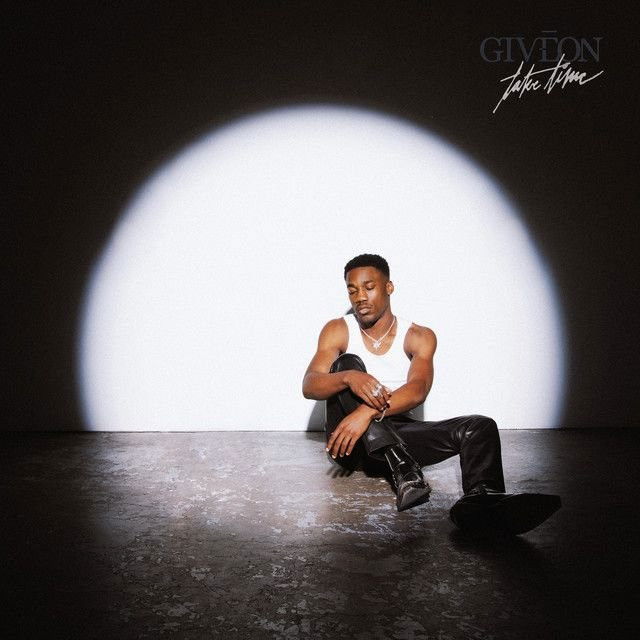
Giveon released “Favorite Mistake” on Take Time, the EP that helped establish them as one of modern R&B’s most distinctive new voices. Around that same period, wider audiences also noticed Giveon after their appearance on Drake’s Chicago Freestyle
, a breakthrough moment noted by EARMILK in coverage of the song’s acoustic rework. That article also described “Favorite Mistake” as a standout from the EP and emphasized its secret-relationship theme.
The Heart of the Song Is Temptation, Not Romance
On the surface, the plot is simple. Someone is on the way over. The meeting needs to stay hidden. Both people know the arrangement is wrong, but neither stops it. That setup gives the song its emotional engine.
The key phrase is favorite mistake
. Even without long lyric quotes, the title says almost everything. A mistake is something they know they should avoid. Calling it a favorite means the danger has become part of the appeal.
Interpretation: the song is less about love than about chosen moral compromise. They are not confused about what is happening. They are fully aware, and that awareness actually sharpens the thrill.

Watch the official FAVORITE MISTAKE
music video
Secret Plans, Secret Rules
The opening details make the scene feel immediate and real. They ask if the other person is on the way, mention sending a ride, and stress that they can't leave a trace
. Those practical details matter because they show secrecy as routine, not accidental.
This is not a sudden emotional confession. It sounds organized. The secrecy has rules, logistics, and a shared understanding. That makes the relationship feel more serious than a random hookup, but also more troubling.
Why the Secrecy Matters
The line about keeping the secret safe tells listeners that privacy is the real condition of the relationship. Without secrecy, it likely collapses. The song even points to another person in the picture with girl at home
, which strongly suggests infidelity rather than harmless fantasy.
That detail changes the meaning. The song is not just about forbidden chemistry. It is about chemistry sustained by deception.
The Chorus Turns Guilt Into a Mirror
The repeated appeal to look in my eyes
is one of the most revealing parts of the song. They ask whether the other person can see the lies and whether they still feel alive. In plain terms, the chorus links dishonesty to adrenaline.
We both know it's wrong
but you're still comin' over
That short moment captures the whole emotional bargain. Both people understand the moral cost, but they keep choosing the feeling anyway.
Interpretation: the eyes are not just about intimacy. They are also about confrontation. The narrator seems to be asking, “Can you see exactly what this is, and will you continue with me anyway?” The answer appears to be yes.
A Story About Mutual Responsibility
One reason the song hits hard is that it avoids easy blame. The lyrics repeatedly suggest shared knowledge. The narrator is not pretending innocence, and the other person is not framed as unaware. That matters because the song becomes a portrait of mutual complicity.
There is also an unusual line of self-awareness when Giveon says they will put it in a song
. That moment almost breaks the fourth wall. It turns private wrongdoing into art.
Interpretation: this line can be heard two ways:
- as confession, where songwriting becomes a place to process guilt
- as control, where turning pain into music helps them own the story
Either way, it shows that the narrator is not only living the mistake. They are watching themselves make it.
How the Sound Deepens the Meaning
Production is a big part of why the song feels so intimate. The original version uses moody R&B space and low-end warmth, creating a late-night atmosphere that fits secrecy. The pacing is unhurried, which lets the tension breathe instead of rushing toward a dramatic release.
Giveon’s baritone is crucial too. Their voice often sounds calm even when the lyrics admit emotional or moral chaos. That contrast makes the song more persuasive. They do not sound panicked; they sound seduced by the very situation they know is unstable.
EARMILK’s piece on the acoustic version noted that the rework strips away the heavier production and leaves lone piano chords under their voice, making the song feel even more vulnerable. That matters because the acoustic setting removes some of the sensual cover. What remains is the confession.
Why the Song Stands Out in Giveon’s Catalog
“Favorite Mistake” helped define what listeners came to expect from Giveon early on: grown-up R&B that is emotionally direct, morally messy, and vocally rich. Rather than offering a simple heartbreak story, the song sits in the harder space between pleasure and regret.
That complexity is why the track stays memorable. It understands that some of the strongest feelings are not clean ones. They are the ones people justify, hide, and replay in their minds long after they should have ended.
The Final Take on Giveon’s Message
The meaning of FAVORITE MISTAKE Giveon is not that wrongdoing becomes harmless because it feels good. It is that desire can make people accept a contradiction: they can know something is wrong and still call it special.
That is what gives the song its ache. It is intimate, but not innocent; seductive, but never fully relaxed. Giveon turns that conflict into the real subject of the track.
Disclaimer: This article offers informed interpretation based on the lyrics, performance, and available context. Song meaning can remain open, and different listeners may hear it differently.








