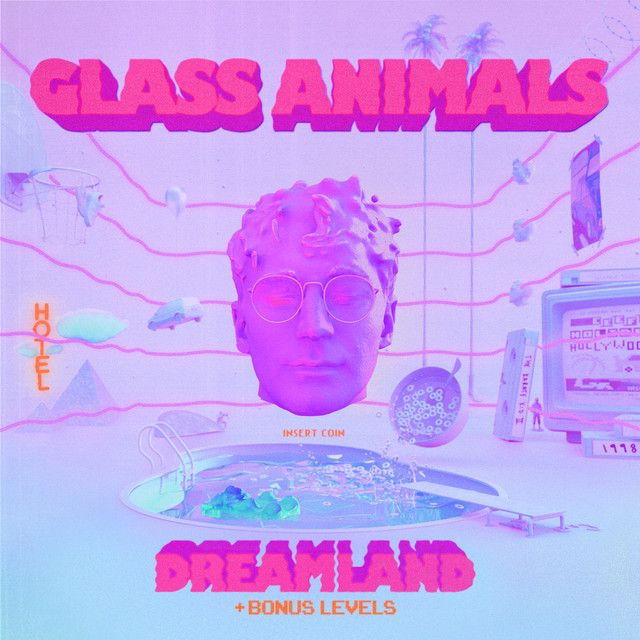
Why 'Your Love (Déjà Vu)' Feels So Addictive
The meaning of Your Love (Déjà Vu) Glass Animals comes down to a painful loop: they know a person is bad for them, but they still let that person back in. The song turns that cycle into something tense, catchy, and strangely seductive.
"Your Love (Déjà Vu)" - Glass Animals
You call but I just cut the line
I know your style
Loading lyrics...
Unable to load lyrics
We're unable to display the lyrics at this time. Please try again later.
Released on February 19, 2020, as part of Dreamland, the track was introduced during the band's more personal era, when Dave Bayley moved toward direct storytelling after the group's hiatus. It is widely documented as the ninth track on the album, and Bayley described it as a “conflicted booty-call anthem” about unhealthy attachment and being “addicted to the mess” in interviews summarized by sources such as Glass Animals Wiki and Songfacts (source, source).
The Core Idea Hiding Inside the Hook
At its heart, the song is about repetition. The narrator tries to resist, but the first verse already shows the weakness in that defense. They hang up, recognize the pattern, and still admit they are backsliding
. That one word matters because it suggests they are not being surprised by the cycle; they are sliding into it knowingly.
Interpretation: this is why the song feels more complicated than a simple breakup track. It is not about ignorance. It is about consent to a pattern they already understand.
The chorus sharpens that point. When the narrator calls the other person's affection a temporary touch
and then a hit and run
, they frame the relationship as intense but fleeting. The love feels real in the moment, but it does not stay. It arrives, takes what it wants, and disappears.
Watch the official Your Love (Déjà Vu)
music video
Who They Are Singing To
One useful thing Bayley has said is that the relationship is not only romantic. It can also fit a friend or family member, as noted in BBC/Annie Mac comments repeated by reference sites (source). That widens the song's meaning.
Instead of being about one kind of toxic romance, it becomes a song about anybody who creates chaos and keeps getting invited back. The narrator sees the damage clearly. They know the other person has a style, a routine, and a hold on them. Yet recognition does not lead to freedom.
A Quick Timeline of the Story
- They try to resist the call.
- They remember the pattern and still give in.
- The other person returns with all the old chemistry.
- The chorus reveals the relationship never lasts.
- The bridge imagines a healthier future, but the present remains stuck.
That structure is important. The song is built like a relapse.
Why the Images Feel So Vivid
Glass Animals often use sensory details, and this song is full of color and physical presence. Small images like blue hair, purple touch, headlights, and summer nights make the relationship feel glamorous and cinematic.
Interpretation: those details may show why the narrator keeps returning. The person is not just harmful; they are magnetic. The line about living like they are on camera
suggests someone performative, beautiful, and aware of their own power. They do not just enter a room. They dominate it.
The title phrase also works well. Déjà vu is the exact feeling of knowing this has happened before. It is more than repetition; it is repetition with awareness. That is the emotional trap of the song.
Maybe in time
When we're both better at life
Daylight can open my eyes
This is the song's one real glance toward change. The narrator briefly imagines maturity, honesty, and clearer vision. But even here, hope is postponed. The key word is “maybe.”
The Bridge: Desire Wins Over Wisdom
The bridge is where the song gets brutally honest. The narrator imagines eventual growth, but then snaps back into the present with intoxicated language and surrender. They are not healed. They are overwhelmed.
That is why one of the song's most striking ideas is not love in a healthy sense, but appetite. The relationship consumes them. They do not simply miss the other person; they almost want to be destroyed by them. This turns the song from a complaint into a confession.
Interpretation: the narrator may be addicted less to the person than to the emotional intensity itself. Bayley's own comments about finding comfort in chaos support that reading (source).
How the Sound Carries the Meaning
Musically, the track makes the loop feel exciting instead of safe. It is dance-oriented, quick, and nervy. The beat has a sharp, restless motion that suits temptation. Bayley also said Beyoncé's 2018 Coachella performance inspired the use of marching-drum sampling, a production choice noted by Songfacts and the fan wiki (source, source).
That matters because the percussion sounds like momentum you cannot stop. The drums push forward while the vocals stay cool and hypnotic. Together, they mirror the song's emotional split: the narrator knows better, but their body still rushes toward the same mistake.
What the Song Ultimately Says
The meaning of Your Love (Déjà Vu) Glass Animals is not that love is fake. It is that some forms of desire feel real even when they are unstable, unequal, or damaging. The song captures the exact moment when self-awareness is not enough to break a pattern.
That is why it hits so hard. They are not singing from the far side of recovery. They are singing from inside the loop.
Disclaimer: This interpretation is based on the lyrics, documented artist comments, and publicly available release context. As with any song, listeners may hear different meanings in it.









