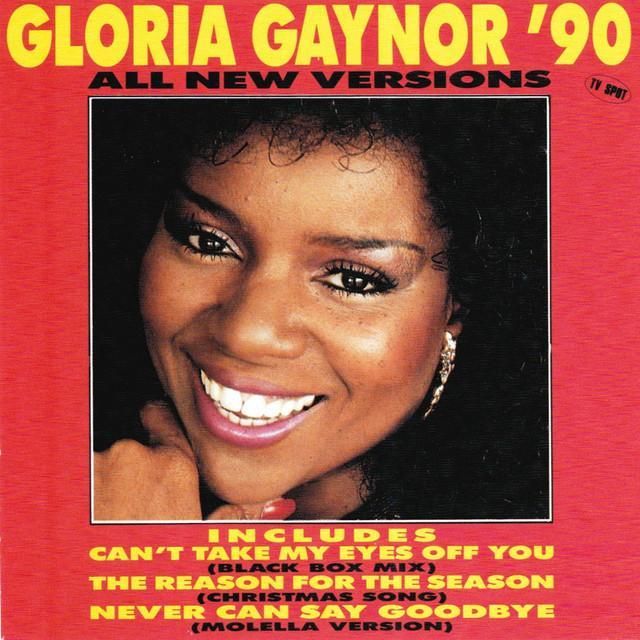
Why "I Am What I Am" Still Hits Hard
The meaning of I Am What I Am Gloria Gaynor comes down to one bold idea: self-acceptance without apology. In Gloria Gaynor's hands, the song becomes more than a show tune. It sounds like a public statement of pride, dignity, and survival.
"I Am What I Am" - Gloria Gaynor
I am my own special creation
So come take a look
Loading lyrics...
Unable to load lyrics
We're unable to display the lyrics at this time. Please try again later.
The song was written by Jerry Herman for the Broadway musical La Cage aux Folles, which opened in 1983 and became a landmark work for queer representation in mainstream theater. Gaynor later recorded it and helped carry its message far beyond the stage. That history matters, because the lyric is not only personal. It is also social and political.
A Pride Song Disguised as a Simple Motto
On the surface, the hook is plain: I am what I am
. But the song keeps building around that line until it means much more than stubbornness. It is not saying, "Take it or leave it" in a cold way. It is saying a person has the right to exist openly.
The first verse sets up that demand for visibility. When the singer asks for either rejection or applause, the point is clear: they would rather be seen honestly than hidden safely. The line about wanting pride in "my world" pushes the message further. This is not just self-esteem in private. It is pride in public.

Watch the official I Am What I Am
music video
From Broadway Context to Gaynor's Voice
Jerry Herman wrote the song for La Cage aux Folles, where it is sung by Albin, a drag performer and partner in a long relationship. In that dramatic setting, the song responds to pressure to hide or tone down identity for the comfort of others. That factual context shapes any reading of the song's meaning.
Gloria Gaynor, already famous for survival anthems like I Will Survive, was a natural fit for the material. Her recording linked the song to disco-era resilience and dance-floor liberation. Even without the full stage plot, listeners could hear the same refusal to shrink.
The Lyrics Turn Shame Into Assertion
Much of the song works by answering shame point by point. The singer rejects both sympathy and approval-seeking with I don't want praise
and I don't want pity
. Those phrases matter because they refuse two common traps: being judged, or being patronized.
Then the song embraces difference instead of defending it. When the singer says they bang my own drum
, the image suggests a person choosing their own rhythm even if others call it wrong or strange. The lyric about sparkle and glamour makes the same point in a more playful way. Style becomes identity made visible.
Interpretation: this is why the song resonates so strongly with listeners who have felt pressured to pass, blend in, or explain themselves. The words push back against the idea that dignity must be earned.
The Closet Image Says the Quiet Part Loudly
The song's strongest metaphor is the line about it being time to open up your closet
. In plain language, it tells people to stop living hidden lives. Within the Broadway context, that image has obvious queer meaning. In a wider sense, it can also speak to anyone concealing a core truth about themselves.
That double meaning is one reason the song has lasted. It is specific enough to carry real historical weight, but broad enough to reach many kinds of listeners. Someone dealing with sexuality, gender expression, trauma, class shame, or even artistic self-censorship can hear their own struggle in it.
How the Sound Carries the Message
Gaynor's version matters because the production changes how the message lands. A theatrical performance can feel intimate and character-driven. Her recording pushes the song outward with polished dance-pop energy, strong drums, rising dynamics, and a vocal that sounds both commanding and generous.
That musical setting reinforces the lyric's emotional arc:
- The steady beat suggests forward motion.
- The swelling arrangement makes the declaration feel bigger each time.
- Gaynor's phrasing turns the refrain into a communal chant, not just a private confession.
By the time the song reaches its affirming ending, the repeated self-descriptions feel almost like spoken healing set to rhythm. The track invites people not just to hear the message, but to join it.
Why It Still Connects Today
The meaning of I Am What I Am Gloria Gaynor still feels current because the pressures named in the song have not disappeared. Many people still feel pushed to hide, soften, or repackage who they are to make others comfortable.
What keeps the song fresh is that it does not ask for permission. It does not beg to be understood first. Instead, it starts with self-recognition and lets social acceptance come second. That is a powerful order.
A Final Reading of Its Power
Interpretation: at heart, the song is about identity becoming speech. A person moves from silence to declaration, from concealment to pride, from being defined by others to naming themselves.
That is why Gaynor's version remains so effective. They turn a theatrical anthem into a broadly shared one, without losing the original song's roots in queer self-assertion and human dignity.
Disclaimer: This interpretation is based on the song's lyrics, performance context, and public history. As with any art, listeners may hear additional meanings of their own.








