Why 'Love-Hate-Sex-Pain' Feels So Human
For many listeners, the meaning of Love-Hate-Sex-Pain Godsmack comes down to one idea: a person trying to survive emotional overload. The song gathers huge forces of adult life—desire, anger, intimacy, hurt—and turns them into one knot that they cannot easily untangle.
"Love-Hate-Sex-Pain" - Godsmack
Just sitting here alone
By the way I tried to say I'd be there
Loading lyrics...
Unable to load lyrics
We're unable to display the lyrics at this time. Please try again later.
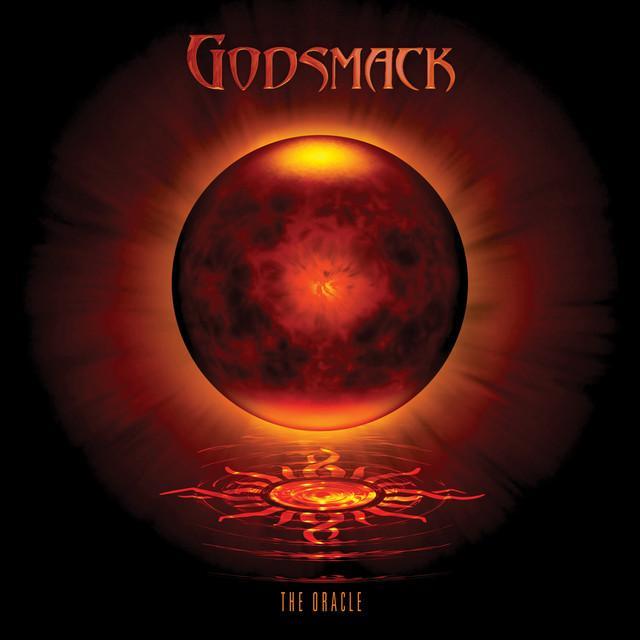
Released as the second single from The Oracle in 2010, the track stood out in Godsmack's catalog for its slower, moodier pull. According to Wikipedia, it was sent to U.S. radio on July 12, 2010, and it became one of the band's strongest rock-chart performers. That success makes sense. Even with heavy guitars, the song speaks in plain emotional terms.
A Storm of Feelings, Not One Simple Story
At its core, the song is about inner conflict. The title itself stacks four powerful words together, suggesting that love, hate, sex, and pain do not arrive one at a time. They crash together.
The opening lines present someone isolated and struggling to explain themselves. When the narrator says I'm me
, it sounds less like confidence than a tired attempt at self-definition. They are alone, trying to promise care for someone else, while also admitting confusion about what they can understand as a man
.
Interpretation: this is not just a breakup song. It sounds more like a confession from someone who feels emotionally split. They want connection, but they also feel damaged, ashamed, and overwhelmed by the roles they think they must play.
Watch the official Love-Hate-Sex-Pain
music video
How the Verses Build the Song's Pain
The verses move from loneliness to self-examination. The image of a silent emptiness suggests depression or numbness, not simply sadness. Then the song turns inward with bodily imagery, making emotional hurt feel physical.
One of the key moments comes when the narrator describes trying to repair themselves after deep damage. They speak of wounds and healing in a way that suggests old trauma, regret, or repeated mistakes. The pain is not fresh only for today; it has been carried for a long time.
mother please don't bury me
I'm waiting for my life
This brief plea is one of the song's most striking moments. In plain language, they are not asking literally for burial. They are saying they feel close to emotional death, yet they still believe some real life may be ahead.
That is why the song lands so hard. It balances despair with a small, stubborn hope.
Why the Chorus Hits Like a Diagnosis
The chorus gives the conflict a name. By repeating Love-hate-sex-pain
, the song turns four separate experiences into a cycle. Then it says this force is complicating me sometimes
, which sounds almost understated. In reality, the whole song shows a person whose identity and peace are being shaken.
The next idea is even more important: this emotional cycle is underestimating life
. That phrase suggests that getting trapped in extremes can shrink a person's view of living. When every feeling becomes intense and tangled, they may lose sight of meaning, balance, and future.
Interpretation: the chorus works like a diagnosis of toxic emotional repetition. The narrator is not glorifying chaos. They are admitting that chaos has taken too much from them.
The Sound Makes the Meaning Clearer
Part of the reason the song connects is musical. Godsmack are often known for hard-driving aggression, but this track uses restraint. It leans into a dark, mid-tempo groove, with space around the vocal and a melancholy guitar tone.
That approach was unusual enough that critics noticed it. Song history summarized by Songfacts notes that drummer Shannon Larkin and guitarist Tony Rombola wrote the music years earlier, and Sully Erna later added lyrics and melody. Larkin said the song had a different sound for the band, which helps explain why it feels more reflective than explosive.
The production, credited to Sully Erna and Dave Fortman, supports that mood. The guitars do not simply attack; they hover and drag, creating emotional weight. The drums stay controlled rather than frantic, and Erna's vocal performance sounds wounded instead of dominant. All of that reinforces the song's central message: pain here is not theatrical. It is lived-in.
Artist Context and Why It Reached So Many People
Within The Oracle, this song offered contrast. Godsmack had plenty of forceful singles, but "Love-Hate-Sex-Pain" showed they could carry vulnerability without losing heaviness. Reviews at the time often pointed to its introspective quality and its more melodic, Alice in Chains-like atmosphere.
Commercially, that openness worked. The song reached No. 5 on Billboard's Rock Songs chart and No. 2 on Mainstream Rock, showing that audiences responded to its emotional honesty as much as its riff power.
That matters for interpretation. When a harder rock band slows down and lets uncertainty lead, listeners often hear something more personal. This track feels like a confession, and that usually travels farther than simple anger.
A Few Strong Readings of the Lyrics
There is more than one fair way to hear the song:
- Emotional collapse: The narrator feels consumed by conflicting urges and old wounds.
- Relationship fallout: Love and desire have become mixed with resentment, making intimacy painful.
- Masculinity under pressure: The line about understanding things
as a man
hints that gender expectations may deepen the confusion. - A fight to keep living fully: The plea for more life suggests they are resisting despair, not surrendering to it.
These readings can all exist at once. That layered quality is a big part of the song's appeal.
The Lasting Meaning of the Song
In the end, the meaning of Love-Hate-Sex-Pain Godsmack is about what happens when basic human drives stop feeling separate and start feeling like one crushing force. The song captures loneliness, damaged intimacy, shame, and the wish to heal.
Its power comes from that mix of heaviness and vulnerability. Rather than pretending pain is noble or romantic, it shows pain as confusing, exhausting, and deeply human.
Disclaimer: This interpretation is based on the lyrics, recorded performance, and publicly available song history. Like all art, the song may hold different meanings for different listeners.







