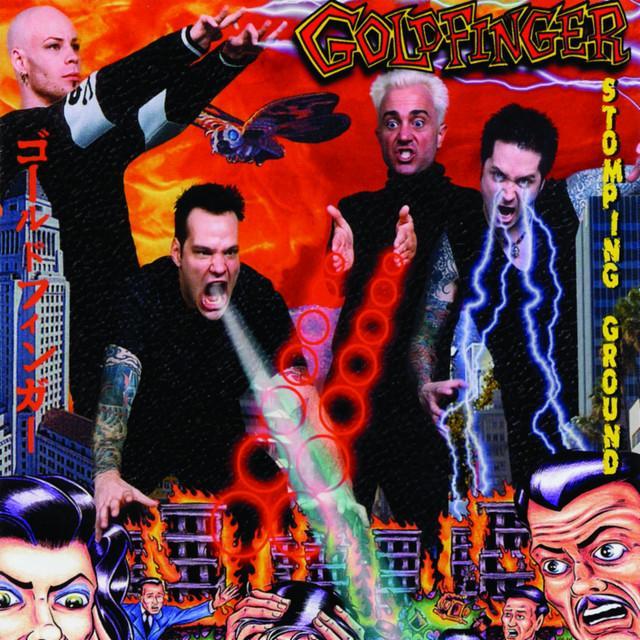
Forgiveness by Goldfinger
Why This Song Hits So Hard
The meaning of Forgiveness Goldfinger comes through with unusual directness: this is a song about blame, emotional inheritance, and the hard work of letting go. Instead of dressing that message up in poetry, Goldfinger says it plainly. That bluntness is part of why the track still lands.
"Forgiveness" - Goldfinger
For all you choices
Seem like the softer way out
Loading lyrics...
Unable to load lyrics
We're unable to display the lyrics at this time. Please try again later.
The song appears on Stomping Ground, Goldfinger's third studio album, released on March 28, 2000. The album is widely listed as pop-punk and ska punk, and its credits name John Feldmann, Tim Palmer, and Jay Rifkin as producers. Feldmann is also credited as the song's writer, with Tim Palmer handling mixing for the album (Wikipedia).
That context matters. Goldfinger often paired catchy hooks with personal or social frustration, and "Forgiveness" strips that formula down to one emotional command: stop feeding a wound that now controls the person carrying it.

Watch the official Forgiveness
music video
The Core Message Beneath the Hook
At its center, the song speaks to someone who keeps blaming him again
for their current life. The verses suggest that blame has become a habit, even a shield. The idea is not that pain was fake. It is that resentment can turn into a way of avoiding responsibility.
That is why one of the sharpest lines says they have made a career out of guilt
. Goldfinger frames guilt and blame as a long-running identity, not just a passing feeling. In plain terms, the song argues that old hurt can become a story someone tells so often that it starts to run their whole life.
Interpretation: The unnamed "him" most likely points to a father or father figure. The lyric about someone doing the best he could with what he had suggests a flawed parent, not a stranger. Still, the song keeps the figure vague enough that listeners can apply it to any damaged relationship.
Verse by Verse, the Conflict Gets Clearer
The opening idea is a challenge, almost like an intervention. Goldfinger accuses the listener of choosing the softer way out
by blaming another person instead of facing their own choices. That line is key because it turns the song away from revenge and toward accountability.
Then the lyric offers a partial defense of the person being blamed: maybe he did the best he could
. This does not erase harm. It simply introduces human limitation. Parents fail. People repeat what they learned. Some damage comes from cruelty, but some comes from weakness, immaturity, or emotional poverty.
That shift gives the song its emotional weight. It asks the listener to hold two ideas at once:
- They may have been hurt.
- They still have to decide what to do with that hurt now.
The repeated line about what comes around goes around
adds another layer. It warns that pain can recycle itself. People who stay trapped in blame may pass that damage forward, repeating the same emotional pattern in new relationships.
What the Chorus Really Means
The chorus sounds simple, but it changes the whole argument. When the band repeats forgiveness
and says it might save "yourself," they redefine the word. Forgiveness is not presented as a gift to the offender first. It is presented as survival for the injured person.
That matters because many listeners hear forgiveness as surrender. Goldfinger treats it differently. Here, forgiving means refusing to let another person's failures keep shaping the present.
The final twist makes that even clearer. Near the end, the song becomes more aggressive and says to let it go
, then lands on the idea that forgiveness starts with the self. In other words, they suggest that self-forgiveness may be the missing step. A person may cling to blame not only because they hate someone else, but because they cannot face their own regrets.
How the Sound Carries the Meaning
"Forgiveness" works because its music mirrors its message. On Stomping Ground, Goldfinger leaned into a polished late-1990s and early-2000s punk sound: tight guitars, fast drums, and clear, punchy hooks (Wikipedia). That style gives the track momentum, which suits a lyric about breaking emotional paralysis.
The repetition in the chorus feels almost like a chant. Rather than sounding soft or meditative, forgiveness is delivered with force. That is a smart contrast. The song is about emotional release, but the arrangement makes that release sound difficult, even confrontational.
Interpretation: The harder edge suggests that letting go is not gentle in this song's world. It is active. It takes effort. It may even feel violent at first, because the person must tear themselves away from a story they have lived in for years.
A Tough-Love Song, Not a Sweet One
Part of the meaning of Forgiveness Goldfinger is its refusal to flatter the listener. The song is not comforting in the usual sense. It does not say, "Your anger is always justified, stay there." Instead, it says anger may now be costing more than it protects.
That is why the track can feel harsh. It risks sounding unsympathetic because it pushes accountability so strongly. But that edge is also what makes it memorable. Goldfinger is less interested in perfect fairness than in emotional escape.
There is also a moral circle built into the song. If pain keeps spinning round and round
, someone has to stop it. The band's answer is not punishment. It is interruption.
Final Take on the Song's Meaning
In the end, "Forgiveness" is about choosing freedom over identity-by-wound. It acknowledges that someone may have caused deep damage, yet it insists that healing begins when blame stops being the center of life.
That is what gives the song its staying power. It turns forgiveness from a polite virtue into a practical act of self-rescue.
Disclaimer: This interpretation is based on the song's lyrics, performance, and available release context. Like all art, listeners may hear different meanings in it.







