Why 'Name' by Goo Goo Dolls Still Hurts
The meaning of Name Goo Goo Dolls comes from a tension the song never fully resolves: they look backward at loss, but they also reach toward someone they still care about. That mix is why the song feels so intimate. It is not just about romance, and it is not just about childhood pain. It lives in the overlap.
"Name" - Goo Goo Dolls
I still can't turn away
'Cause all the dreams you never thought you'd lose
Loading lyrics...
Unable to load lyrics
We're unable to display the lyrics at this time. Please try again later.
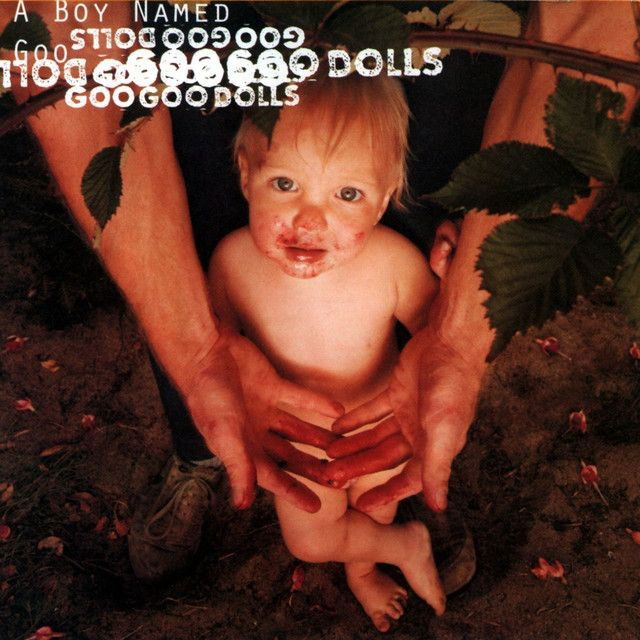
Released in 1995 on A Boy Named Goo, Name
became the band’s first major crossover hit, reaching No. 5 on the Billboard Hot 100 and topping key rock charts, according to widely cited chart summaries in reference sources. It also marked a big shift from the band’s rougher early sound into something softer and more exposed.
The Heart of the Song Lies in Lost Identity
At its core, the song is about people who feel disconnected from who they were supposed to become. The verses describe missed chances, unsent letters, and dreams that got thrown aside. Those details build a picture of adulthood as something messy and disappointing, not triumphant.
The key emotional center is the line grown up orphans
. Even without quoting more around it, the idea is clear: they feel abandoned by family, by certainty, and maybe by their younger selves. That image has often been linked to songwriter John Rzeznik’s life; both of his parents died when he was young, and his sisters helped raise him.
Interpretation: Even if a listener does not know that history, the song still works as a portrait of people who no longer feel anchored. The title itself matters here. A "name" is not just a label. It stands for identity, history, and the right to be known.

Watch the official Name
music video
A Private Address Hiding Inside a Public Song
Another layer of the meaning of Name Goo Goo Dolls is secrecy. The chorus circles around the promise I won't tell no one
and then narrows that promise to your name
. In plain terms, they are offering protection. They will keep this person safe from gossip, judgment, or exposure.
That reading fits reporting that the song was partly inspired by Rzeznik’s brief connection with MTV VJ Kennedy, who used a stage name. Song references and interviews have repeated that backstory for years. Rzeznik himself described the inspiration as trying to capture a moment and called it “a very sweet song” in a quote reported by secondary sources.
Interpretation: The song may be speaking to one person, but it sounds larger because that person also represents a type: someone who got away, someone changed by fame, or someone who had to hide who they really were.
How the Verses Build Regret Without Self-Pity
One reason the lyrics still connect is that they avoid dramatic blame. Instead, they collect small signs of emotional damage. There are dreams lost in transit, messages never sent, and the insight that scars are souvenirs
. That phrase is especially strong because it turns pain into an object a person carries everywhere.
The song then asks whether someone got to be a star
. That question sounds simple, but it is loaded. Fame here is not purely glamorous. It may be distance. It may be a false ending. They wonder if success costs a person their real self.
Three ideas the song keeps returning to
- Growing up means losing illusions.
- Privacy can feel like love.
- The past keeps shaping the present.
Those ideas make the song broader than a breakup track. It is about what time takes from people.
The Sound Makes the Sadness Feel Gentle
The production matters a lot. The recording, produced by Lou Giordano, trades some of the band’s earlier bite for acoustic warmth and open space. Instead of pushing hard, the arrangement lets the melody ache.
Rzeznik also wrote the song around an unusual guitar tuning, often cited as D-A-E-A-E-E. He said he discovered it by accident while turning tuning pegs and then built the progression from what his hands found. That odd tuning gives the song its shimmering, unresolved texture. It sounds familiar enough to be comforting, but strange enough to feel unsettled.
That is perfect for the lyric. The music never fully collapses into despair, yet it never feels settled either. They are suspended between memory and acceptance.
Why the Chorus Feels So Protective
The chorus lands because it does two things at once. On one level, it offers secrecy. On another, it offers shelter: hide beside me
suggests temporary safety in a world that feels unstable.
It's lonely where you are
come back down
This is the song’s clearest emotional turn. They are no longer just remembering. They are reaching out. Whether that “down” means down from fame, down from distance, or down from emotional isolation, the plea is tender rather than angry.
Interpretation: The chorus suggests that being truly known may matter more than being admired. In that sense, the song quietly critiques celebrity and adulthood at the same time.
Why "Name" Became a Breakthrough
The song crossed from alternative rock into pop and adult contemporary radio, which helped make it the Goo Goo Dolls’ first major mainstream hit. That crossover happened because the track carries its hurt in a very accessible way. It is personal, but not closed off.
It also captured a feeling many listeners recognize: the moment when adulthood does not look the way they expected. Rzeznik reportedly said the song was about the regrets that come with growing up. That idea fits nearly every image in the lyric.
What "Name" Finally Says
In the end, the meaning of Name Goo Goo Dolls is not one neat message. Factually, the song has ties to Rzeznik’s life and to a specific personal connection. Interpretation: Artistically, it is about identity under pressure—how loss, memory, fame, and regret can blur a person’s sense of self.
That is why the song still lands. It speaks to anyone who has looked back and realized the hardest thing to keep was not love alone, but the self attached to it.
Disclaimer: This interpretation separates documented background from informed reading of the lyrics. Like most strong songs, "Name" can support more than one meaning.









