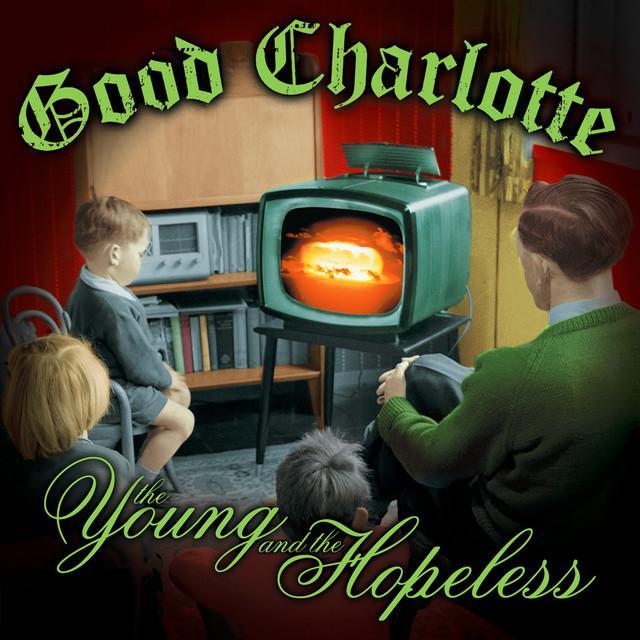
Lifestyles of the Rich & Famous by Good Charlotte
Why This Pop-Punk Hit Still Lands
The meaning of Lifestyles of the Rich & Famous Good Charlotte comes down to one sharp idea: public complaints sound very different when they come from people with money, power, and media attention. Good Charlotte turn that idea into a loud, sarcastic anthem.
"Lifestyles of the Rich & Famous" - Good Charlotte
Or read in the magazines
Celebrities they want sympathy
Loading lyrics...
Unable to load lyrics
We're unable to display the lyrics at this time. Please try again later.
Released in 2002 as the lead single from The Young and the Hopeless, the song became the band’s breakout hit and reached No. 20 on the US Billboard Hot 100, their highest placement there according to Wikipedia. That success matters to the meaning, because the song came from outsiders looking at celebrity culture and calling out its hypocrisy.

Watch the official Lifestyles of the Rich & Famous
music video
The Core Message Behind the Lyrics
At its heart, the song mocks famous people who act like they deserve pity while living far above the struggles of ordinary people. The opening sets that up by pointing to tabloids and TV, where celebrities talk about how hard life is. Good Charlotte answer with disbelief.
Their point is not subtle. When the chorus says always complainin'
, they frame celebrity misery as tone-deaf. The song argues that private pain may be real, but public self-pity sounds absurd when someone has mansions, lawyers, and influence.
Interpretation: They are not saying rich people never suffer. They are saying wealth changes the scale of the problem, and many listeners feel that gap immediately.
A Class Argument Hidden Inside a Joke
The verses keep returning to the same challenge: try surviving regular life without privilege. When they imagine stars livin' life out on the street
or walking in someone else's shoes
, they are forcing a comparison between media-famous struggle and actual hardship.
That is why the song feels bigger than gossip. It is about class anger. The celebrity is not just a person here; they become a symbol of a system where attention and money protect people from consequences.
The line about pay for Cochran
pushes that argument hardest. It points to the idea that expensive legal defense and fame can shape outcomes in ways ordinary people could never access. Another lyric references public scandal and political survival to make the same point: celebrity can outlast behavior that would ruin someone else.
The Band’s Outsider View Matters
Good Charlotte were formed in Maryland in 1995, and this song came from a period when they were spending time in Los Angeles while making The Young and the Hopeless. Songfacts quotes Joel Madden saying they noticed famous people with money who still seemed unhappy, and that reaction helped spark the song’s idea (Songfacts).
That context matters. They were not writing from inside Hollywood comfort. They were reacting to it. Joel also said the point often gets misunderstood: they were not simply condemning wealth, but responding to visible ingratitude. In that reading, the song says: if this life is so terrible, plenty of people would gladly take it.
Interpretation: That is why the chorus sounds half bitter and half teasing. It criticizes entitlement, but it also admits the obvious appeal of money and luxury.
How the Chorus Turns Anger Into an Anthem
The title phrase rich and the famous
works because it already sounds like a TV slogan. That is not accidental. The title echoes the old luxury-focused TV series Lifestyles of the Rich and Famous, a cultural shorthand for excess noted by Songfacts.
Good Charlotte twist that glamorous phrase into a complaint. Instead of admiration, they fill it with sarcasm. The hook is repetitive on purpose. By repeating the grievance, they make it sound like a crowd chant, not a private thought.
If money is such a problem
Well they got mansions
That short moment captures the song’s whole logic: the complaint may be real to the speaker, but to everyone outside that life, it sounds impossible to sympathize with.
Why the Sound Helps Sell the Meaning
Produced by Eric Valentine, the track blends pop-punk speed with polished power-pop melody, a mix documented in the song’s release details on Wikipedia. The guitars are tight and bright, the drums drive hard, and the chorus is built for sing-alongs.
That matters because the song’s message could have sounded preachy in a slower style. Instead, the upbeat tempo makes the criticism feel playful, communal, and catchy. They are not delivering a lecture. They are rallying listeners into a sarcastic shout.
The vocal tone helps too. The performance is more exasperated than tragic. That emotional choice keeps the song in the world of punk complaint, where humor and anger often work together.
A Snapshot of Early-2000s Celebrity Culture
The song landed at the right moment. In the early 2000s, tabloids, MTV, and gossip culture made celebrity private lives feel constant and unavoidable. So a song attacking public self-pity had a ready-made audience.
Its reach proved that. It charted across the US, UK, Europe, Australia, and New Zealand, and later earned major certifications including Platinum in the US and UK, according to Wikipedia. The video also won the 2003 MTV Video Music Award for Viewer's Choice.
That popularity shows how many listeners recognized the frustration. Even people who did not care about the specific scandals could understand the bigger point: celebrity culture often asks average people to feel sorry for people who are already protected.
Final Take on the Song’s Meaning
The meaning of Lifestyles of the Rich & Famous Good Charlotte is a blunt critique of privilege without perspective. Good Charlotte use jokes, name-checks, and a huge chorus to argue that wealth can distort both sympathy and accountability.
Interpretation: Beneath the sarcasm, there is also a warning for everyone, not just stars. Comfort can make people forget how most people live. That idea is why the song still feels relevant.
Disclaimer: This interpretation mixes documented context with critical reading of the lyrics, so some meaning remains open to listener perspective.








