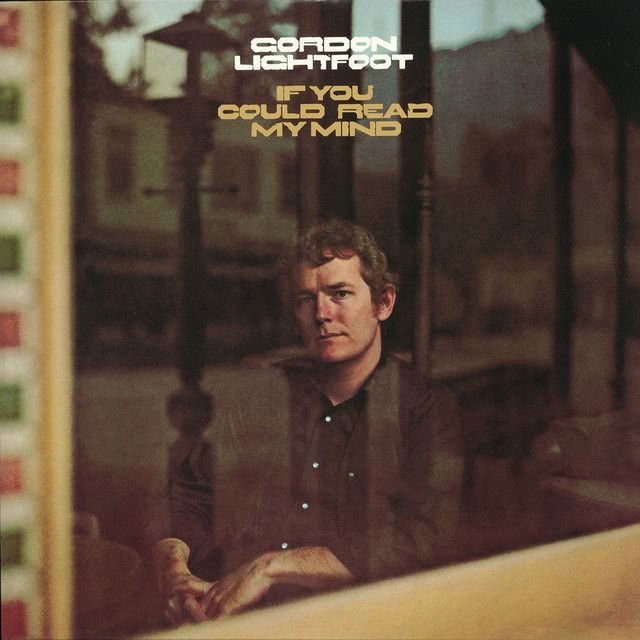
Me and Bobby McGee by Gordon Lightfoot
The meaning of Me and Bobby McGee Gordon Lightfoot centers on a simple but lasting tension: freedom feels beautiful while it is shared, but empty after love is gone. In Gordon Lightfoot's version, the song plays less like a wild adventure and more like a warm memory turning sad.
"Me and Bobby McGee" - Gordon Lightfoot
Waitin' for the train
Feelin' nearly faded as my jeans
Loading lyrics...
Unable to load lyrics
We're unable to display the lyrics at this time. Please try again later.
Though many listeners now link the song most strongly with Janis Joplin, it was written by Kris Kristofferson and Fred Foster, and Lightfoot recorded it in 1969, before Joplin's famous 1971 hit version. Songwriting credits are widely documented by Kristofferson's official site and reference sources such as Encyclopaedia Britannica.
A Love Story Told Through Motion
At the story level, the song follows two drifters traveling across the American South and West. They hitch rides, sing together, and build a bond in passing moments. The details feel rough and real: roadside travel, worn clothes, rain, music, and long distance.
Those images matter because they show a life without comfort or stability. Yet the narrator remembers it fondly. Even hard times seem rich because Bobby is there. When the song mentions moments like waitin' for the train
or California sun
, it is not just setting a scene. It contrasts struggle with joy.
Interpretation: the song argues that meaning does not come from money, status, or a fixed home. It comes from shared experience.

Watch the official Me and Bobby McGee
music video
Why the Chorus Hits So Hard
The song's most famous line, freedom's just another word
, has lasted because it sounds wise and troubling at the same time. In plain terms, it says freedom may mean having no ties, no duties, and nothing left to lose.
At first, that idea feels liberating. The narrator and Bobby are moving through the world with very little, but they are alive in the moment. The next thought sharpens the cost. What seems free can also mean empty.
Nothin' left is all that Bobby left me
That short turn is devastating. Earlier, freedom sounds romantic. Later, the same idea becomes grief. The chorus works because it changes meaning as the story changes.
The Emotional Timeline Beneath the Plot
The song unfolds in a clear emotional arc:
- Two travelers meet in hardship.
- Music turns travel into connection.
- The bond becomes the center of the narrator's world.
- Bobby disappears.
- Memory becomes more valuable than the future.
That last turn is crucial. Near the end, the narrator says they would trade tomorrow for one past day. This is not just sadness. It is an admission that the best part of life may already be gone.
When Lightfoot sings lines around shared the secrets of my soul
, the song moves beyond travel imagery. It becomes a confession about intimacy. Bobby is not just a companion on the road. Bobby is the person who understood them.
Gordon Lightfoot's Reading of the Song
Lightfoot's style changes how the lyrics land. His version does not push the song toward chaos or raw desperation. Instead, it leans on folk and country storytelling, with a measured vocal and a gentle arrangement. Information on Lightfoot's recording career and style is available through the Gordon Lightfoot official website and the Canadian Songwriters Hall of Fame.
That calm delivery matters. It makes the song feel reflective, as if they are revisiting a memory they already know they cannot recover. The sadness is not explosive. It settles in slowly.
How the Sound Supports the Meaning
The instrumentation in Lightfoot's version fits the singer-songwriter tradition named in the prompt. Acoustic textures, steady tempo, and clean phrasing keep attention on the story. There is no need for dramatic production tricks because the emotional turn is already built into the writing.
Interpretation: this restraint makes the loss feel more believable. Instead of telling listeners how to feel, the arrangement leaves room for them to hear the ache inside the memory.
Symbols That Carry the Song
Several recurring images deepen the song's meaning:
- Roads and trains: life in motion, with no lasting anchor.
- Weather: hardship that feels bearable when shared.
- Music: the glue between the two characters.
- The body and touch: proof that the relationship was real, not imagined.
One small phrase, kept me from the cold
, says a lot. On the surface, it suggests comfort during hard travel. Emotionally, it means Bobby protected the narrator from loneliness and emotional emptiness.
A Song About Freedom, or a Song Against It?
This is where the meaning of Me and Bobby McGee Gordon Lightfoot becomes especially interesting. The song is often remembered as a freedom anthem, but it may be closer to a warning.
Interpretation: it does not reject freedom outright. Instead, it shows that freedom without connection can become another kind of loss. The narrator does not miss the road by itself. They miss Bobby on the road.
That is why the song endures. It understands two truths at once: people want independence, and they also want someone to share life with. The song refuses to pretend those desires are easy to balance.
Why the Song Still Connects
American listeners still respond to this song because it blends myth and pain. It uses classic images of open-road freedom, then reveals the heartbreak hidden inside that dream. Lightfoot's version especially highlights the tenderness in the story.
In the end, the song says the best moments of life may be brief, poor, and unstable, yet still feel complete. That is what makes the memory so painful and so precious.
Disclaimer: This interpretation focuses on the lyrics, performance, and known historical context. As with any great song, listeners may hear different meanings in it.








