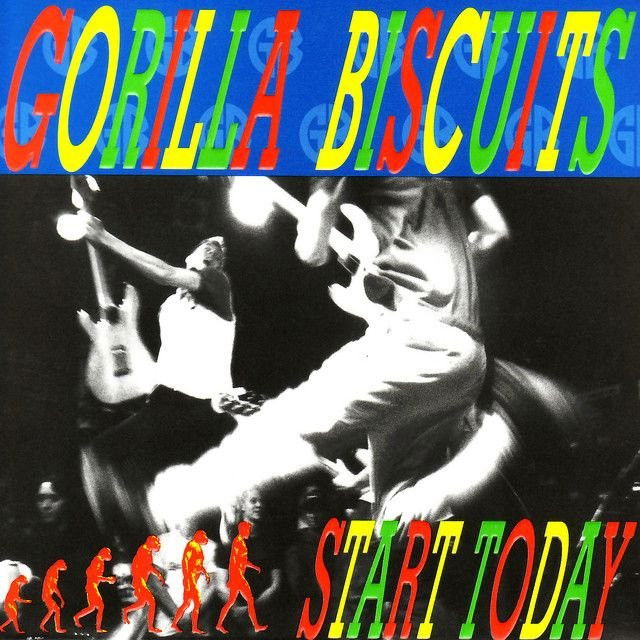
Stand Still by Gorilla Biscuits
Why This Hardcore Song Still Hits
The meaning of Stand Still Gorilla Biscuits comes through fast and clearly: it is a blunt protest against passive living. The song attacks the way television, advertising, and easy distraction can flatten a person’s mind and steal their time.
"Stand Still" - Gorilla Biscuits
Fucking slave to a TV show. You thought
Before but you sat and dropped. What
Loading lyrics...
Unable to load lyrics
We're unable to display the lyrics at this time. Please try again later.
Gorilla Biscuits came out of New York hardcore in the late 1980s, a scene known for speed, conviction, and songs with a moral edge. The band’s best-known release, Start Today, helped define melodic hardcore and youth-crew values in that era. In that context, “Stand Still” sounds less like a casual complaint and more like a warning shot. Their message fits a scene that often pushed self-control, awareness, and resistance to empty trends.
Watch the official Stand Still
music video
The Core Message: Entertainment as a Trap
At the center of the song is a simple idea: mindless entertainment can turn people into spectators of their own lives. The opening image of sitting on the couch sets the tone right away. When the lyric calls someone a slave to a TV show
, it is exaggerating on purpose to show dependence, not freedom.
The narrator is not only judging other people, though. They also admit their own weakness. That matters. By confessing that their eyes are glued
to the screen, the song becomes self-critical instead of preachy. It says the problem is cultural, but also personal.
Interpretation: The song is really about surrender. Television is the main target, but the deeper issue is giving away attention, curiosity, and willpower.
A Fight Between Comfort and Reality
The song’s inner conflict
One reason the track feels honest is that it shows temptation as real. The speaker knows TV is numbing, yet they still struggle to turn it off. That tension appears in the repeated wish for something real
. In plain terms, they want a life that feels earned and lived, not one filtered through programming and ads.
The line about spending a day with the set turned off becomes a test of discipline. The question How strong's our will?
is the real hook of the song, even more than its most famous outburst. It asks whether people are choosing their habits or just drifting into them.
This is where the title idea connects. To “stand still” is not peaceful here. It means being stuck—physically inactive, mentally dulled, and spiritually passive.
Ads, Image, and the Pressure to Measure Up
The song also widens its focus from television itself to the values TV sells. Ads create impossible standards, especially around looks and success. When the narrator says the people in commercials are better looking than me
, they are naming a common effect of media: comparison.
The next thought is even sharper. Trying to meet that standard never brings rest. The song suggests that image culture keeps people anxious and dissatisfied, always chasing approval and never feeling complete.
This criticism connects to the wider consumer message later in the song. Life starts to look like competition. The lyric about the person with the most toys “winning” mocks the idea that ownership equals meaning. It is a rejection of consumer success stories and a defense of inner life over external status.
The Most Memorable Lines, Decoded
A few phrases carry the whole song’s argument. The blunt phrase brain vacation
presents TV as mental shutdown, while mental masturbation
pushes that idea into harsher punk language. Both phrases frame screen time as private pleasure without growth or purpose.
Here is the article’s one short multi-line quote, which captures the wider social critique:
Our lives are led by TV shows
Instead of thinking we play Donkey Kong
These lines move the song beyond individual guilt. The point is that media habits can shape a whole culture. People stop examining life and settle for distraction, repetition, and games that keep them busy but not fulfilled.
How the Sound Carries the Meaning
The music helps sell the message. Gorilla Biscuits use a fast tempo, tight drums, and sharp guitar work to make the song feel urgent. Instead of dreamy production that would match the couch-bound mood, the band does the opposite: they blast through the track like they are trying to shake the listener awake.
That contrast matters. The lyrics describe passivity, but the performance is active and confrontational. Hardcore often works this way. The sound becomes a corrective to the behavior being criticized.
Interpretation: The song’s speed is part of its meaning. It models the energy and alertness the lyrics want people to reclaim.
Why the Message Still Feels Current
Even though the song is aimed at television, its message now feels broader. Today, many listeners hear it as applying to phones, social media, endless scrolling, and algorithm-driven attention. The device has changed, but the struggle is similar: distraction is easy, and awareness takes effort.
That is why the meaning of Stand Still Gorilla Biscuits still lands. It is not really about one screen in one living room. It is about what happens when entertainment starts replacing thought, and when consumption starts replacing purpose.
Final Take on “Stand Still”
“Stand Still” is a short hardcore song with a big argument. It says media can waste time, shape false desires, and leave people disconnected from reality, unless they actively resist it.
Its lasting power comes from that uncomfortable honesty: the speaker is trapped too, and they know it. That makes the song feel less like a lecture and more like a challenge.
Disclaimer: This interpretation is based on the lyrics provided and general context around Gorilla Biscuits and hardcore. As with any song, listeners may hear different meanings in the same lines.







