21 by Gracie Abrams
Gracie Abrams’ “21” turns a simple missed birthday into a full portrait of heartbreak. For many listeners searching for the meaning of 21 Gracie Abrams, the song lands because it does not describe a loud breakup. Instead, it shows the quieter aftermath: the jealousy, guilt, and lingering attachment that remain when two people are no longer together but are not emotionally free.
"21" - Gracie Abrams
Almost tried to call you, don't know if I should
Hate to picture you half-drunk happy
Loading lyrics...
Unable to load lyrics
We're unable to display the lyrics at this time. Please try again later.
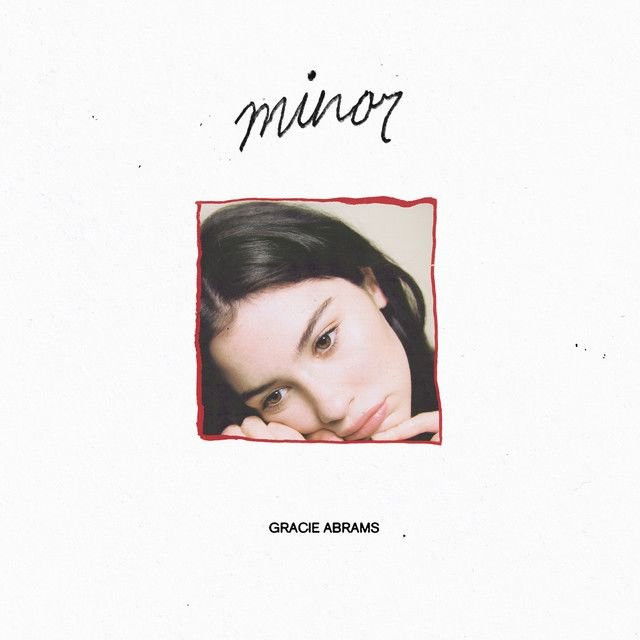
Written by Gracie Madigan Abrams, Joel Little, and Sarah Aarons, “21” appeared on Abrams’ 2020 project minor, a release that helped establish their intimate style and diaristic songwriting. The EP credits and release details are documented by Interscope and major streaming platforms such as Spotify. Even without heavy production, the song feels emotionally dense.
A Birthday Missed, a Relationship Still Open
At its core, the song is about missing a major life moment in someone else’s life and realizing the emotional bond is still active. The opening image of a missed 21st birthday immediately creates distance. In the United States, turning 21 carries social weight, so not being there feels bigger than skipping an ordinary night.
The narrator is not only absent. They are also imagining the scene in painful detail, worrying about the ex being out, drinking, and possibly having fun without them. That anxiety is what gives the first verse its sting. The song suggests that separation is real, but emotional separation is not.
A key phrase is missed your twenty-first birthday
. Abrams uses that detail to show regret without needing a long explanation. Another small line, half-drunk happy
, sharpens the feeling of jealousy. The narrator does not want the other person to be miserable, but they also cannot bear the image of them moving on.
Watch the official 21
music video
The Real Tension: Love Versus Timing
One of the strongest ideas in “21” is that love may still exist even when the relationship cannot. The song never claims everything was fake. In fact, it hurts precisely because what they had mattered.
That is why the chorus is so effective. When Abrams sings love of my life
and then twists it with when I was young
, the line sounds both grand and defeated. It suggests a relationship that once felt permanent but now belongs to a closed chapter.
Interpretation: This is less a denial of love than a reframing of it. The other person may remain hugely important, but only within memory. The phrase does not erase the bond; it places it in the past.
The Chorus Turns Memory Into a Trap
The chorus introduces one of the song’s most painful ideas: each person may keep an idealized version of the other. The narrator says, in effect, that they will remain a great love in the ex’s imagination, even if real life has moved on.
That is where inside your head
becomes important. Abrams points toward the gap between fantasy and reality. Someone can still be central in another person’s emotional world while being absent from their daily life.
There is also a protective instinct in don’t call me up
. The narrator knows contact would reopen the wound. They are not over the relationship, which is why distance has to be enforced.
When the night is over
Don’t call me up
I’m already under
This brief section captures the cycle of loneliness the song fears most: a late-night call, old feelings rushing back, and no real resolution afterward.
Small Details Make the Heartbreak Feel Real
“21” feels specific because Abrams fills it with ordinary details instead of dramatic declarations. A friend named Audrey reports seeing the ex out after midnight. The narrator mentions not hearing from the family. They remember the ex saying that their mother loved them.
Those details matter because breakups rarely cut only one bond. They also disrupt routines, social circles, and imagined futures. The line about the family especially widens the song’s emotional frame. This was not a casual connection. The relationship had roots.
Another revealing moment is the promise that if the pain still has not faded by age thirty, the narrator will admit a mistake and apologize. That idea shows how unresolved the breakup feels. They are trying to sound rational, but the statement is really a confession of doubt.
Interpretation: The narrator may believe the breakup was necessary, yet they are not certain it was right.
How the Sound Carries the Meaning
The production, associated with Joel Little’s clean and restrained pop style, keeps the focus on Abrams’ voice. Rather than crowding the song with big drums or dramatic shifts, the arrangement leaves space. That space mirrors the emptiness in the lyrics.
The vocal delivery is soft, close, and conversational. Abrams often sounds as if they are thinking aloud rather than performing. That intimacy is central to the meaning of 21 Gracie Abrams, because the song depends on emotional honesty more than plot.
The gentle instrumental palette also supports the song’s blurred emotional state. When the lyrics mention going blurry-eyed and seeing things in stark contrast, the production matches that instability. It feels suspended between numbness and ache.
Why “21” Still Connects
Part of the song’s staying power is that it captures a very young kind of heartbreak without treating it as small. Missing a milestone, imagining an ex at night, rehearsing what they might say years later—these are common experiences, but Abrams gives them weight.
The song also understands a hard truth: some relationships do not end cleanly. They survive as memory, unfinished longing, and private mythology. That is what makes “21” so affecting. It is not only about losing someone. It is about continuing to carry them.
A Clear Takeaway
For listeners asking about the meaning of 21 Gracie Abrams, the answer is that the song explores unresolved breakup grief through one symbolic missed moment. It shows how a person can become both past tense and emotionally present at the same time.
Interpretation disclaimer: This reading is based on the lyrics, credited songwriting context, and the song’s production choices. As with most pop writing, individual listeners may hear different shades of meaning.









