Why "Chicago" by Graham Nash Still Calls Out
The meaning of Chicago Graham Nash starts with a simple idea: showing up matters. This is not a love song or a private confession. It is a public appeal, written in the language of protest, asking people to stand together when freedom looks more like a slogan than a reality.
"Chicago" - Graham Nash
And they've chained him to a chair
Won't you please come to chicago just to sing
Loading lyrics...
Unable to load lyrics
We're unable to display the lyrics at this time. Please try again later.
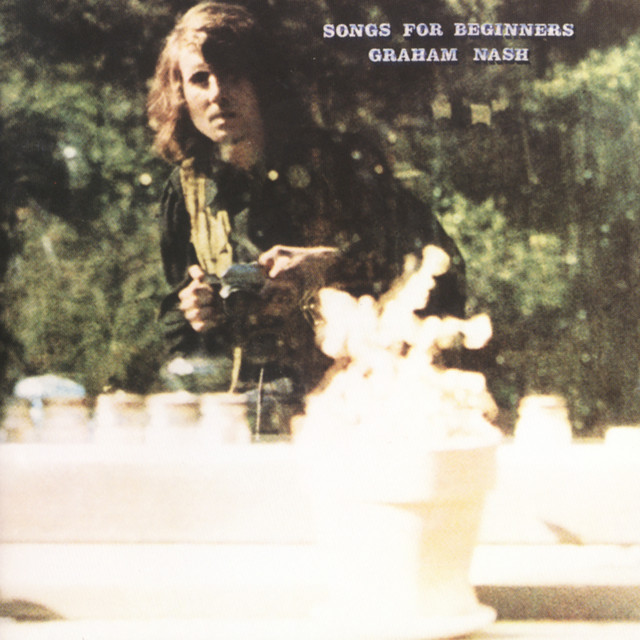
Graham Nash released "Chicago" on his 1971 solo debut Songs for Beginners, an album often tied to the breakup era of Crosby, Stills, Nash & Young and to Nash’s growing political voice. The record’s basic history is well documented by sources such as AllMusic and Rhino. That context matters because the song does not come from nowhere. It comes from a moment when artists were asking what music could do in public life.
A Protest Song Built as an Invitation
At its core, "Chicago" is about solidarity. The singer describes a person being restrained and denied freedom, then turns that image into a call to gather, sing, and act. The short phrase bound and gagged
gives the song its moral spark. They are not just describing one person in trouble. They are pointing to a wider system that silences dissent.
The next move is key. Instead of staying in outrage, the song asks people to come together. The repeated appeal come to Chicago
works both literally and symbolically. Literally, it sounds like a request to join a protest scene. Symbolically, it means stepping into public action wherever injustice appears.
Watch the official Chicago
music video
Why Chicago Matters in the First Place
The city carries political weight. Nash has said the song was inspired by the climate around the Chicago Seven era and the broader protest culture of the time, a period covered in major historical summaries from Britannica and History. The song is often linked to the outrage that followed clashes between anti-war demonstrators and authorities in Chicago in 1968.
That history sharpens the line about living in a place known as freedom
. The song points to a national contradiction: a country praising liberty while punishing people who challenge power. That irony gives the track its bite.
How the Chorus Turns Anger Into Hope
The emotional center of the song is the communal hook: We can change the world
. This matters because the verses alone might sound defeated. People are restrained. Politicians are dismissed. Justice appears to be fading.
But the chorus refuses surrender. Interpretation: Nash frames change as a shared project, not a fantasy. The phrase about the world dying
sounds bleak, yet it also implies something can still be saved. The song balances alarm with belief.
That balance is why the track still feels alive. It protests, but it also recruits. Listeners are not left with despair; they are handed a role.
Who the Song Is Talking To
One of the smartest parts of the lyric is its shifting audience. At times, the singer seems to address fellow activists. At other moments, they speak to famous figures, politicians, or anyone tempted to stay passive. The brief jab turn the other ear
suggests frustration with those who choose caution over commitment.
Interpretation: The song may be aimed partly at peers in the music world, especially artists with influence who could lend support to public causes. Even without pinning every line to one real person, the message is clear: neutrality is not enough.
The Sound Makes the Message Easier to Carry
Musically, "Chicago" is direct and bright. It uses a strong piano foundation, an easy-to-follow rhythm, and a chorus designed for group singing. Details on the album’s personnel and recording have been summarized by sources including Discogs and AllMusic.
That accessible arrangement matters. A harsher, darker sound might have made the song feel closed off or angry. Instead, Nash gives the politics a lift. The melody invites people in, which matches the lyric’s call for collective action.
There is also a tension between sweetness and urgency. Nash’s vocal is not snarling. It is open, almost encouraging. That choice makes the message feel human. They are not ordering listeners into battle; they are asking them to care enough to join.
A Few Images That Carry the Whole Song
Several images do heavy lifting in very few words:
bound and gagged
suggests repression.come to Chicago
becomes a rallying cry.known as freedom
exposes hypocrisy.We can change the world
offers collective hope.turn the other ear
criticizes passivity.
There is also a sweep in the song’s imagery, reaching from ordinary political struggle to almost cosmic scale. That widening lens makes the cause feel bigger than one rally or one city. Interpretation: Nash turns a specific historical moment into a universal argument for civic courage.
Why the Song Still Lands Today
The meaning of Chicago Graham Nash lasts because the conflict it names never fully disappears. Democracies still wrestle with protest, power, and who gets heard. The song speaks to anyone frustrated by the gap between national ideals and lived reality.
Its greatest strength may be its refusal to choose between idealism and action. It believes people can help each other. It also warns that freedom means little if people will not defend it in public.
Final Thought on Its Lasting Power
"Chicago" endures because it treats protest as both moral duty and shared song. It is angry about injustice, but more than that, it is hopeful about human response.
That is the real pull of the track: it asks listeners not just what they believe, but whether they will show their face.
Disclaimer: This interpretation blends documented historical context with critical reading of the lyrics and sound. As with any song, some meanings remain open to listener interpretation.
Sources
- https://www.allmusic.com/album/songs-for-beginners-mw0000195698
- https://www.rhino.com/article/graham-nash-songs-for-beginners
- https://www.britannica.com/event/Chicago-Seven
- https://www.history.com/topics/vietnam-war/1968-democratic-convention
- https://www.discogs.com/master/81251-Graham-Nash-Songs-For-Beginners








