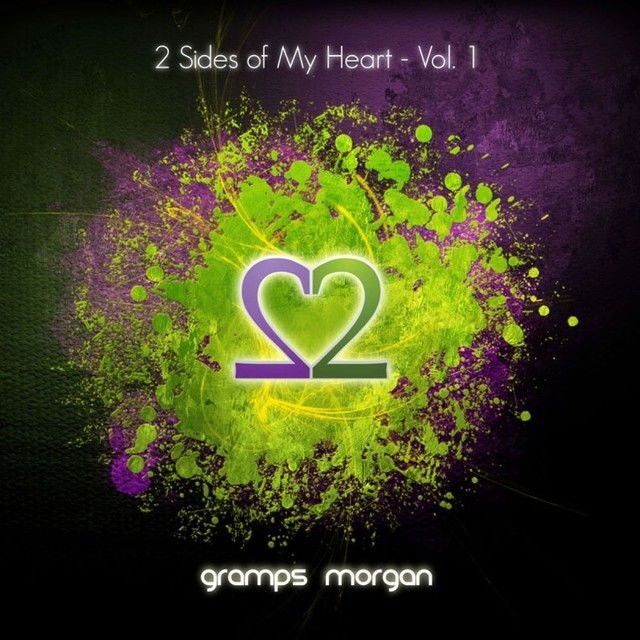
Why ‘Wash the Tears’ by Gramps Morgan Heals
The meaning of Wash the Tears Gramps Morgan centers on comfort in hard times. The song does not deny pain. Instead, it answers pain with faith, unity, and the promise of survival. In simple words, it says that suffering is real, but it will not have the final word.
"Wash the Tears" - Gramps Morgan
We shall be alright, yeah, yeah
Don't you cry
Loading lyrics...
Unable to load lyrics
We're unable to display the lyrics at this time. Please try again later.
That message fits Gramps Morgan’s musical world. As a member of the Morgan Heritage family, they are closely linked with roots reggae traditions that often blend spirituality, social struggle, and hope. The user-provided context also notes that the song was written by Roy Morgan and belongs to the reggae genre.
A Chorus Built on Faith, Not Escape
At the heart of the song is a repeated promise: wash away all the tears
. The line points to healing, but not instant relief. The verses make clear that life is still full of pressure, storms, and conflict.
This is why the chorus matters so much. It does not tell listeners to pretend everything is fine. It says comfort can arrive even when life feels unstable. When the song mentions storms
and tides are raging high
, it uses natural danger as a symbol for emotional and social crisis.
Interpretation: the song’s faith is active, not passive. It is less about waiting quietly and more about enduring with belief until peace returns.

Watch the official Wash the Tears
music video
The Voice Speaks for a Community
One of the strongest parts of the lyric is its collective point of view. The singer keeps returning to phrases like we shall win
and we’ll survive
. That matters because the song is not framed as one person’s private sadness.
Instead, it sounds like a community anthem. The speaker carries shared pain and shared hope. In reggae, that group-centered voice often turns a song into both testimony and encouragement.
Sorrow Turns Into Solidarity
The lyric opens from a place of seriousness. Even the line about songs not being smiling songs suggests honesty over performance. They are telling listeners that this is not shallow positivity. The comfort has weight because it comes after struggle.
That choice gives the song emotional credibility. It does not rush past grief. It stands inside grief and then offers strength.
Struggle, Resistance, and Rastafarian Meaning
The spiritual center of the song is Jah, the Rastafarian name for God. In that tradition, Jah is not just a distant figure. Jah represents guidance, justice, protection, and moral truth.
So when the singer says Jah will heal sorrow, the claim is bigger than personal emotion. It also touches oppression, injustice, and survival under pressure. The lines about destruction, hurdles, and fighting the wicked place the song in a long roots reggae tradition of resistance.
We keep on fighting
Gainst the wicked
That short passage shows the song’s balance. It offers peace, but it is not soft in spirit. It sees evil and hardship clearly. Then it answers them with endurance.
Interpretation: the “wicked” can be heard in more than one way. It may refer to corrupt systems, harmful people, or the everyday forces that wear people down. The song leaves room for all three readings.
How the Verses Build the Message
The song moves in a steady pattern:
- It names distress through tears, storms, and destruction.
- It calls for people to hold firm and get along.
- It returns to the promise of cleansing and survival.
- It expands the struggle into a moral fight against wickedness.
This circular structure is important. Each return to the chorus feels less like repetition and more like reinforcement. In effect, the song teaches resilience by repeating it.
That is one reason the meaning of Wash the Tears Gramps Morgan feels so direct. The writing is plainspoken, but the repetition turns the words into something close to prayer.
Why the Reggae Sound Matters So Much
Musically, the reggae setting carries the meaning. Reggae often uses a steady groove, offbeat accents, and a grounded bass line to create forward motion. Even without a complex lyric, that rhythmic structure can feel reassuring.
Here, that matters. A song about survival needs a sound that feels stable under pressure. Reggae does that naturally. The pulse suggests movement through hardship rather than collapse beneath it.
The likely effect of the arrangement is twofold:
- it softens the sadness with warmth
- it strengthens the message with persistence
Gramps Morgan’s vocal style also matters in this kind of song. Roots-reggae singing often mixes tenderness with conviction. That blend supports the lyric perfectly: comfort is offered, but with backbone.
A Message of Unity in a Broken Time
Another key line in the song urges people to get along. That adds a social layer to the message. Tears are not only personal here. They come from living in a damaged world.
Because of that, healing must also be collective. The song suggests that survival depends on faith, but also on human unity. It is not enough for one person to be comforted alone. The community must keep marching forward together.
This is where the song becomes especially powerful. It connects grief, belief, and action. It says people can cry, resist, and hope at the same time.
The Lasting Meaning of “Wash the Tears”
In the end, the song is about more than sadness. It is about what comes after sadness: cleansing, endurance, and renewed courage. The tears matter because they prove the struggle is real. The washing away matters because it promises that pain is temporary, even when it feels endless.
For many listeners, that is the deepest meaning of Wash the Tears Gramps Morgan. It is a roots reggae statement that faith can steady people through chaos, and that survival becomes easier when it is shared.
Disclaimer: This interpretation is based on the lyrics provided and common roots reggae themes. As with any song, listeners may hear personal meanings that differ from this reading.







