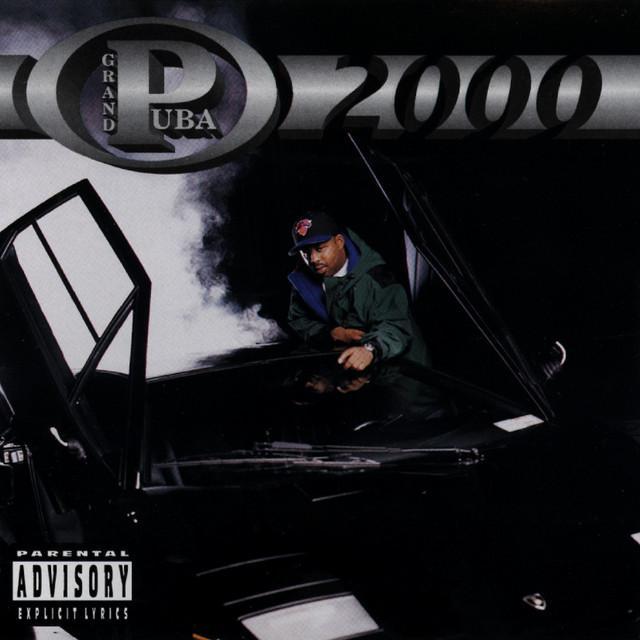
Grand Puba Turns Flirtation Into a Victory Lap
The song’s core message in plain English
The meaning of I Like It (I Wanna Be Where You Are) Grand Puba starts with a simple idea: this is a party record that blends romance, swagger, and self-promotion. Grand Puba presents himself as charming, funny, and hard to ignore. The song is about attraction, but it is also about status. He is not only trying to impress a woman on the dance floor; he is also reminding listeners that he is still a major rap personality.
"I Like It (I Wanna Be Where You Are)" - Grand Puba
Ladies and gentlemen, I've found him
I want you to meet the baddest motherfucker in town
Loading lyrics...
Unable to load lyrics
We're unable to display the lyrics at this time. Please try again later.
Factually, the track was released in 1995 as the lead single from 2000, Grand Puba’s second studio album, and it was produced by Mark Sparks. It is widely noted for its bright vibraphone and xylophone textures and for sampling DeBarge’s “I Like It,” Michael Jackson’s “I Wanna Be Where You Are,” and Cal Tjader’s version of “Never My Love” (Wikipedia). Those musical choices matter because they soften the song’s edge. Even when Puba brags, the beat keeps the mood warm and playful.
Watch the official I Like It (I Wanna Be Where You Are)
music video
A rapper balancing seduction and self-branding
On the surface, they are hearing a club-friendly flirtation. Puba gives a loose set of instructions for meeting someone, dancing close, and leaving together. In that sense, the song works like a nightlife snapshot. He creates the feeling of movement, confidence, and chemistry without making the story too deep or dramatic.
But the verses do more than chase romance. He also frames himself as a veteran who cannot be replaced. When he says rivals wish he had stayed away and claims there is only one version of him, he turns a love-song setup into a statement of artistic identity. Short phrases like New York City
and it’s only one Grand P
help tie romance to hometown pride and rap authority.
Interpretation: this double focus is the song’s real trick. It is not just “I like this woman.” It is also “people like me because I know how to own a room.” Attraction becomes proof of charisma.
How the verses build the song’s themes
Scene one: entrance and image
The opening bars establish luxury, style, and ease. Puba talks about clothes, money, and drink choices to present a polished image. That matters because the song’s flirtation depends on social power. He is not nervously pursuing anyone; they are hearing someone who already assumes attention will come to him.
Scene two: the party playbook
Then the song shifts into a more direct club scenario. He gives a step-by-step outline for getting close to someone on the dance floor. The sequence is half advice, half comedy. It sounds confident, but it also has a wink in it, which fits reviewers who noted Puba’s sarcasm and humor. Rap Pages, for example, praised the track as representative of his personal evolution and noted his dry comic style, as summarized on Wikipedia.
Scene three: warning and ego check
He also pauses to warn men about women chasing money. That part reflects a familiar 1990s rap theme: pleasure mixed with caution. Whether listeners agree with that view or not, it shows that the song treats romance as a game of image, desire, and self-protection.
Why the chorus feels bigger than the story
The hook is what makes the song so memorable. Phrases like Ooh, and I like it
and I wanna be where you are
pull from classic R&B feeling, which gives the track a sweeter emotional center than the verses alone would suggest.
Ooh, and I like it
I wanna be where you are
Paraphrased, the chorus says closeness feels good and desirable. It turns Puba’s cool talk into something more melodic and universal. Many rap songs brag about conquest; this one wraps that impulse in longing and pleasure. That is why the record can sound smooth even when the verses are blunt.
Interpretation: the chorus humanizes him. Instead of pure boasting, listeners hear need, appetite, and joy.
The production explains the meaning as much as the lyrics
The sound is crucial to understanding the song. The beat is light on its feet, built around glossy melodic pieces that reviewers called a “nice xylophone loop” and a “slinking” groove, again documented on Wikipedia. Those textures give the track a polished, almost sparkling feel.
That production choice changes how the lyrics land. A harder beat might have made the bragging sound aggressive. Here, the bright tones make it feel conversational and stylish. The samples from DeBarge and Michael Jackson also bring in older soul and pop emotions. In other words, the song borrows the warmth of love songs while keeping the structure of a rap performance record.
This mix helps explain its crossover appeal. The song reached No. 91 on the Billboard Hot 100, No. 21 on Hot Rap Songs, and No. 3 on Dance Singles Sales, according to the chart data summarized on Wikipedia. It could work in rap spaces, R&B settings, and dance contexts because it sits between those worlds.
A New York rap record with lover-man energy
One of the most interesting things about the song is how comfortably it blends regional pride with sensuality. The repeated shout of New York City
gives it a local stamp, while the romantic samples make it feel softer than a typical hardline rap anthem.
Interpretation: that blend may be the song’s deepest meaning. Puba is showing that coolness does not have to be grim. A rapper can be funny, flirtatious, stylish, and competitive all at once. When he says others wanna be where I are
, the line works on two levels: romantic closeness and career envy. People want access to his world.
Final takeaway for listeners
The meaning of I Like It (I Wanna Be Where You Are) Grand Puba is best understood as a smooth fusion of desire and self-confidence. It is about liking someone, yes, but also about liking the version of yourself that comes alive in the club, in the city, and on the mic.
What makes the song last is that balance. Grand Puba sounds playful rather than heavy-handed, and the sample-rich production turns his boasting into something breezy and fun.
Disclaimer: This interpretation separates documented facts from informed reading. Like most songs, its meaning can shift depending on the listener’s experience.








