Why 'Here for the Party' Still Hits
The meaning of Here For The Party Gretchen Wilson, Ella Langley starts with a simple promise: this is a song about showing up loud, taking up space, and refusing to apologize for having fun. On the surface, it is a barroom anthem. Underneath, it is also a statement about class, gender, and confidence in country music.
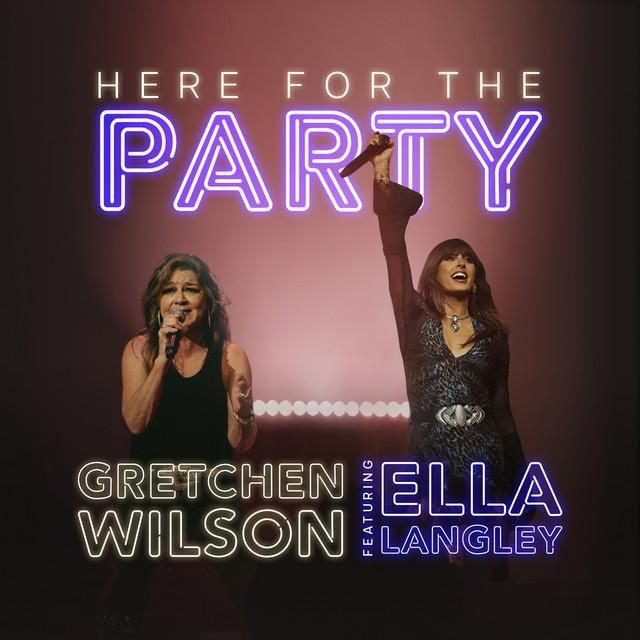
"Here For The Party" - Gretchen Wilson ft. Ella Langley
I wear my jeans a little tight
Just to watch the little boys come undone
Loading lyrics...
Unable to load lyrics
We're unable to display the lyrics at this time. Please try again later.
Gretchen Wilson first released the song in 2004 as the title track of her breakout album, Here for the Party. The song was written by Kenny Alphin, John Rich, and Gretchen Wilson. The version most listeners know is pure early-2000s country swagger, and it helped define Wilson’s public image as a rough-edged, working-class star.
More Than a Drinking Song
At its core, the song is about a woman who controls the room instead of waiting to be judged by it. The narrator introduces herself with blunt force and humor. When they hear phrases like double-fisted drinking
or here for the party
, the point is not subtle poetry. The point is self-definition.
She is not trying to sound polished or respectable. She is telling everyone exactly what kind of night she plans to have. That directness matters. In many party songs, women are watched. Here, the woman does the watching, chooses the mood, and sets the rules.
Interpretation: that is why the song has lasted. It is not only about beer and noise. It is about freedom from shame.
A Narrator Who Knows the Game
The speaker in the song is fully aware of how she is seen. She jokes about appearance, flirtation, and male attention, but she never sounds insecure. A line like I clean up good
works because it turns a possible insult into a badge of confidence.
The same thing happens when the song mentions pick-up lines
. She expects them. She may even enjoy batting them away. But the song never suggests that male attention is the goal. The goal is the experience itself: the music, the energy, the social chaos, and the thrill of cutting loose after a long week.
That is a key part of the meaning. This is not a love song disguised as a party song. It is a party song that treats romance as background noise.
How the Chorus Turns Fun Into Defiance
The chorus is what makes the song feel bigger than a weekend out. Its central idea is stubborn commitment. She is staying until the night ends on someone else’s terms, not hers. That is why the hook feels so memorable.
I ain't leaving
til they throw me out
Those words are funny and reckless, but they also frame the whole song. The narrator is not asking for permission. She is claiming public space in a way that feels rowdy and rebellious.
For some listeners, that may read as comic exaggeration. For others, it lands as a working-class form of self-respect: they spend all week dealing with rules, so one night out becomes a small act of release.
Country Attitude, Honky-Tonk Muscle
The sound carries the message. The arrangement leans on a driving country-rock groove, electric guitars, a bar-band pulse, and a vocal delivery that sounds tough rather than polished. Wilson does not float over the track. She attacks it.
That production choice matters. A softer arrangement could have turned the song playful or flirtatious. Instead, the beat and guitar work make it feel physical, almost competitive, like the song is kicking open the saloon doors.
The title track from Wilson’s breakout album also fit the wider image around her debut era, including the success of “Redneck Woman”. Together, those songs built a persona that celebrated women who were often ignored or mocked by mainstream polish.
What the Details Add Up To
Small images in the verses sharpen that persona. The mention of tight jeans, whiskey, and trash talk creates a scene that is messy on purpose. Even the rejection of a fussy drink in favor of something stronger helps define the character. She wants the real thing, not the cute version of it.
These details build several connected themes:
- working-class pride
- female self-possession
- nightlife as escape
- humor as armor
- rebellion against respectability
None of that means the song is deeply complicated. In fact, its power comes from being plainspoken. It says familiar things in a voice that sounds fully lived-in.
Where Ella Langley Fits the Conversation
Ella Langley’s name in searches around this song makes sense even though the original hit belongs to Gretchen Wilson. Langley represents a newer wave of country artists who also lean into rough edges, sharp humor, and female bravado. So when listeners look for the meaning of Here For The Party Gretchen Wilson, Ella Langley, they are often connecting Wilson’s anthem to a newer generation with a similar streak.
Interpretation: that link shows how the song’s attitude still feels current. Its message is not tied only to 2004. It still speaks to listeners who like country women sounding unruly, funny, and unapologetic.
The Lasting Meaning of the Song
In the end, “Here for the Party” is about more than getting drunk and staying out late. It turns a night of fun into a declaration of identity. The narrator is loud because she wants to be heard, and shameless because shame has no use to her in that room.
That is why the song became an anthem. It gives listeners permission to be a little too much on purpose.
Disclaimer: This interpretation is based on the lyrics, recording context, and public information. As with any song, listeners may hear different meanings in the same lines.








