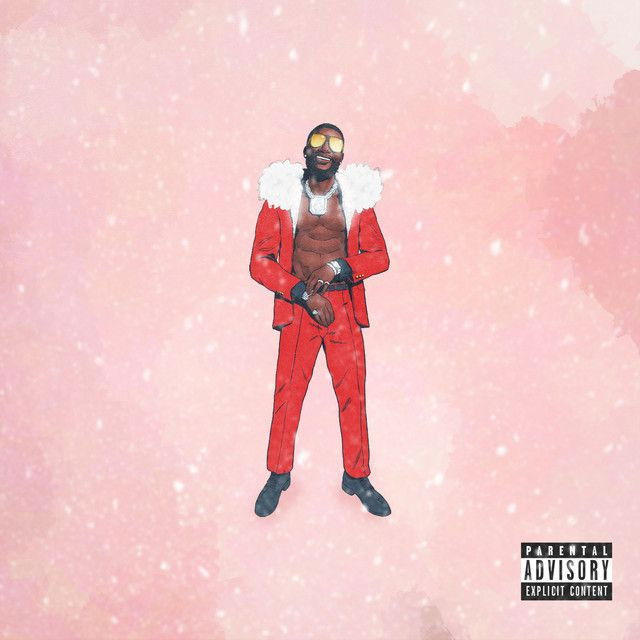
Why 'Mr. Wop' Turns Criticism Into Swagger
The meaning of Mr. Wop Gucci Mane comes into focus fast: this is a song about transformation, reputation, and the strange way success can look like betrayal to people who knew the older version of an artist. Gucci Mane built much of his career on larger-than-life self-mythology, and here they push that image even further.
"Mr. Wop" - Gucci Mane
You changed on me Mr. Wop
You're not the same Gucci Mane from the block
Loading lyrics...
Unable to load lyrics
We're unable to display the lyrics at this time. Please try again later.
Rather than defend themself against criticism, they exaggerate it. The chorus acts like someone is scolding Gucci Mane for changing, but the verses answer with pride, not apology. That tension is what gives the song its bite.
The Hook Sounds Like Hate, But It Works Like Praise
At the center of the song is a repeated complaint: You changed on me
. In plain terms, the hook says Gucci Mane is no longer the same person from the neighborhood. It points to jewelry, watches, planes, and reckless spending as signs of distance.
But the song does not present that as a tragedy. Interpretation: the hook is ironic. It frames envy and resentment as if they are moral criticism. When the chorus mentions the block
and then stacks luxury images on top of it, the contrast becomes the whole point: they left one world and now live in another.
That is why the refrain feels catchy and sharp at the same time. It sounds like gossip, but it also crowns the artist. Gucci Mane turns judgment into proof of status.
Watch the official Mr. Wop
music video
A Character Study of Gucci as "Mr. Wop"
The title matters. "Wop" is one of Gucci Mane’s best-known nicknames, tied to the public persona that grew across mixtapes, albums, and trap-era mythology. According to widely cited career summaries, Gucci Mane is credited alongside T.I. and Jeezy with helping pioneer trap music in the 2000s. That larger context matters because "Mr. Wop" is not just a man in a song; it is a brand, a legend, and a mask.
In the verses, they describe themself as excessive, dangerous, and untouchable. A line like urban legend
tells listeners exactly how to hear the performance. This is not meant to be humble realism. It is mythmaking.
Interpretation: the song is less about personal confession than about image control. Instead of asking whether success changed Gucci Mane, it suggests that becoming bigger, louder, and richer is part of the identity itself.
Verse Themes: Money, Threats, and Public Distance
The first verse ties luxury to dominance. When Gucci says they let money and cars do the talking, the message is simple: status speaks before words do. The verse piles up image after image to show someone who no longer needs approval from old peers.
The second verse adds another layer: survival and transactional thinking. They talk about loans, interest, legal trouble, and courtroom escape lines in a way that mixes street storytelling with dark humor. Even when the facts are dramatic, the tone stays swaggering.
A short phrase like I'm the Grinch
matters because it turns cruelty into a comic-book identity. They are not asking to be liked. They are leaning into being feared, envied, or misunderstood.
How Gucci Mane’s Career Context Deepens the Meaning
The song makes more sense when heard against Gucci Mane’s public history. They were one of trap’s most prolific figures, with a huge mixtape run and a career shaped by both acclaim and legal trouble. Their biography includes early breakthrough records, major-label releases, and a widely discussed incarceration period before a successful comeback.
That context gives lines about cases, defense lawyers, and notoriety extra weight. The song does not read like fiction pulled from nowhere. It draws power from the fact that listeners already knew Gucci Mane as a controversial and influential rap figure.
Interpretation: "Mr. Wop" works as a self-portrait painted in the boldest possible colors. It takes the public image people already had and turns it into a hook: yes, they changed, and yes, they became harder to reach.
The Beat Helps Sell the Persona
The production matters almost as much as the words. The opening producer tag from J. White signals confidence right away, and the instrumental gives the song a cold, roomy trap backdrop. There is enough space in the beat for every boast and threat to land clearly.
The rhythm does not rush. Instead, it lumbers forward with control, which fits the song’s theme of power. Heavy low end, sharp drum accents, and a stripped-down arrangement make Gucci Mane sound even more imposing.
That sonic design supports the lyrical idea that "Mr. Wop" is above ordinary conversation. The beat feels expensive and intimidating, just like the lifestyle the chorus complains about.
The Real Message Behind the Chorus
One of the smartest things about the song is the way it stages an argument without really arguing. The chorus speaks in the voice of disappointed outsiders, while the verses sound like Gucci Mane embracing exactly what those outsiders hate.
You're not the same
from the block
Those brief phrases capture the emotional conflict. Someone wants the old Gucci Mane back. The song’s answer is that the old version is gone, either because success demanded change or because fame finally revealed who they always wanted to be.
That is the core meaning of Mr. Wop Gucci Mane: it is a song about how money and notoriety alter relationships, and how an artist can turn that accusation into a flex.
Final Take: A Swagger Song With a Sharp Edge
On the surface, "Mr. Wop" is a brag-heavy trap record about wealth, violence, and status. Underneath that, it is also about social distance. The people around Gucci Mane notice the transformation, and the song answers them with sarcasm and pride.
That duality is why the track sticks. It is flashy, funny, and aggressive, but it also understands a real truth about success: once someone rises, others often call that rise a betrayal.
Disclaimer: This article offers informed interpretation based on the lyrics, performance, and known career context. Song meaning can remain open to different listener readings.









