Funky Sensation by Gwen McCrae
Why This Groove Means More Than a Party Song
The meaning of Funky Sensation Gwen McCrae starts with a simple idea: music can change how people feel together. On the surface, the 1981 single is a dance-floor invitation. Gwen McCrae calls people in, tells them to loosen up, and celebrates the power of rhythm.
"Funky Sensation" - Gwen McCrae
Come on get up and dig that funk that I have for you
You see people like me need people like you
Loading lyrics...
Unable to load lyrics
We're unable to display the lyrics at this time. Please try again later.
But the song is not just saying, “come dance.” It presents funk as a kind of shared medicine. When they sing to party people
and ask listeners to relax your mind
, the message is emotional as much as physical. The track suggests that stress, distance, and stiffness can all melt away once the groove takes over.
Factually, “Funky Sensation” was released in 1981 from McCrae’s self-titled album and reached No. 22 on the U.S. R&B chart and No. 15 on the U.S. Dance chart, according to Wikipedia’s summary of chart data. That crossover matters because the song itself sits between soul feeling and club energy.
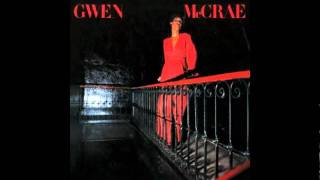
Watch the official Funky Sensation
music video
A Voice That Builds Community
Who They Are Singing To
The narrator addresses a crowd, not one lover or one rival. That makes the song feel public and communal. From the opening call, they invite strangers into the same emotional space.
This is important to the song’s meaning. When McCrae says people like them need people like the audience, they frame funk as connection. The groove only becomes complete when other people answer it.
Come together
enjoy the funky beat
Those lines capture the song’s social heart. It is less about showing off and more about gathering. In plain terms, the record imagines the dance floor as a place where differences fade and bodies move in sync.
The Central Idea: Funk as Release
One of the song’s smartest moves is turning a club record into a theory about relief. The lyric compares the music to an extra strength pain reliever
. That is a vivid metaphor, and it gives the whole track a deeper purpose.
Rather than describe heartbreak or conflict in detail, the song jumps straight to the cure. The beat, the bass, and the singer’s command become the answer to whatever burden listeners brought with them. In that sense, the song belongs to a long soul and disco tradition where dancing is not escapism alone. It is recovery.
Interpretation: The “pain reliever” image can be heard two ways:
- Literally, as a feel-good party anthem.
- Symbolically, as a song about Black dance music creating joy in hard times.
Both readings fit the lyrics. The song never gets overly specific, which is part of why it travels so well across eras.
How the Lyrics Move From Invitation to Proof
The structure is simple, but effective. First, the singer invites everyone in. Next, they describe the feeling of the groove. Then they offer proof: even the person standing off to the side is suddenly moving.
That small detail about the man in the corner matters. It shows funk working in real time. Someone who looked detached gets transformed by the music. When the song says he has never moved like this before, it turns the dance floor into evidence.
This is why the repeated hook around funky sensation
lands so strongly. The sensation is not abstract. The song keeps showing what it does to bodies, moods, and the room itself.
Sound First, Meaning Second—and Then Both at Once
The production carries as much meaning as the lyric. “Funky Sensation” relies on a tight rhythm section, a danceable tempo, and bright, uncluttered arrangement choices that leave space for McCrae’s voice to lead. Even without a dense story, the record communicates confidence and lift.
Their vocal style is key. McCrae does not sound distant or dreamy. They sound direct, warm, and in control, almost like a master of ceremonies guiding the crowd. That suits the lyric’s purpose: the singer is not confessing private feelings, but generating a public mood.
Gwen McCrae had already made a major mark on soul and disco before this song. She was best known for “Rockin’ Chair,” and later listeners and critics often linked her work to the development of disco and rare groove culture, as noted by The New York Times via her career summaries. That context helps explain why “Funky Sensation” sounds so assured. They knew exactly how to make a groove feel lived-in rather than forced.
Why the Song Kept Living On
The track’s afterlife says a lot about its meaning. It has been sampled, replayed, and reworked because its core message is timeless: rhythm can wake people up. In 2018, Disclosure released a disco-flavored rework tied to the song, saying it came from their “immense love of Disco music,” and Billboard described it as a flip of this McCrae classic in connection with Alka_Lino’s version (Billboard).
That revival matters because younger dance artists did not return to the song only for nostalgia. They returned to it because the groove still functions. The record still feels physical, generous, and immediate.
Final Take on the Meaning of Funky Sensation Gwen McCrae
The meaning of Funky Sensation Gwen McCrae is ultimately about transformation through shared rhythm. It says music can relax the mind, energize the body, and unite a room full of people who may have walked in carrying very different moods.
Interpretation: Beneath its party surface, the song treats funk as healing, community, and motion. That is why it lasts. It does not ask listeners to think too hard before they move—but once they do, the song reveals a bigger truth about what great dance music can do.
Disclaimer: This interpretation combines documented context with critical reading of the lyrics and sound. As with any song, listeners may hear its meaning differently.








