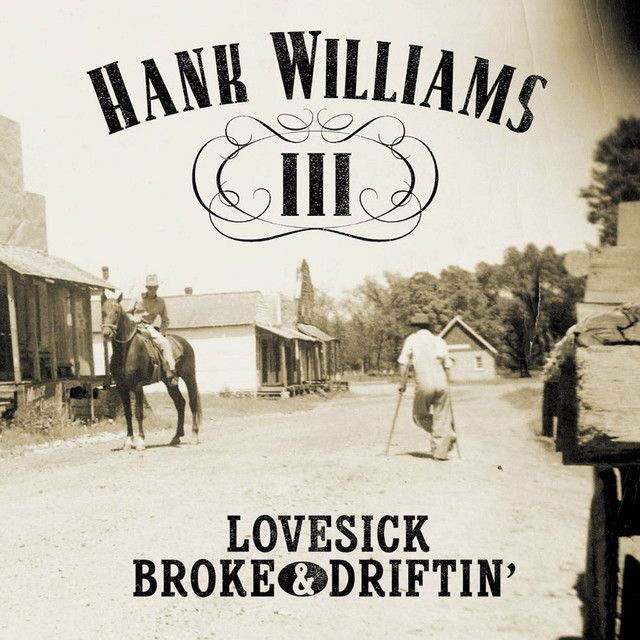
Mississippi Mud by Hank Williams III
The meaning of Mississippi Mud Hank Williams III starts with a simple image: a person sitting in Southern backwoods country, drinking, fishing, and leaning hard into a reckless good time. But the song is not only about getting wild. It is also about identity. Hank Williams III uses swampy place imagery, comic storytelling, and a repeated drinking hook to build a character who is proud of being rough around the edges.
"Mississippi Mud" - Hank Williams III
Just me and my fishin' line
I raised a lot of hell and I hollered,
Loading lyrics...
Unable to load lyrics
We're unable to display the lyrics at this time. Please try again later.
They present a speaker who does not want approval from polite society. Instead, the song celebrates a rowdy, self-made code of living. That code includes nature, alcohol, friends, dancing, and exaggerated family lore. In short, this is a song about outlaw-country freedom, even when that freedom looks messy.
What the Song Is Really Chasing
On the surface, the track is a party song. The verses move from bayou solitude to a nightlong gathering, then into a strange, funny story about being raised by an alligator. Those details are not there to tell a realistic biography. They create a myth.
Interpretation: the song turns Southern rural life into legend. When the singer mentions bayou country
and drinking from a jug, they are not just naming a setting. They are building a world where danger, pleasure, and pride all mix together.
That is why the title matters. “Mississippi mud” suggests more than actual mud. It points to a Southern environment that is thick, dirty, alive, and impossible to separate from the person standing in it. The mud is place, but it is also personality.
Watch the official Mississippi Mud
music video
The Narrator’s Code of Living
The speaker is a classic Hank III figure: self-destructive, funny, and stubbornly independent. They brag, they invite others into the chaos, and they never apologize for wanting excess.
A few lines make that code clear. The singer takes shots straight out of the jug
and likes to get pure drunk
. Paraphrased, that means they reject refinement. They want things raw, direct, and unfiltered.
This fits Hank Williams III’s larger career image. According to his artist profile, he became known for mixing outlaw country with punk, metal, and psychobilly influences. That hybrid style matters here because the song’s meaning depends on attitude as much as lyrics. Even in a country setting, the spirit is rebellious.
How the Verses Build a Southern Myth
Each verse adds a piece to the song’s worldview:
- The opening verse places the speaker in nature, but not in a peaceful, gentle way. Fishing and moonshine sit side by side.
- The second verse expands from solitude to community. A few friends become an all-night party.
- The final verse turns personal history into absurd folklore with the alligator image and a fatal romance story.
That last verse is especially important. It is clearly exaggerated, and that exaggeration tells listeners not to treat the song like documentary truth. The alligator tale gives the singer a larger-than-life outlaw origin story.
raised by an awful alligator
walk the line
Paraphrased, the song says the speaker learned survival from a wild, crooked world. Even the advice they inherit comes from danger and trickery, not from clean respectability.
Why the Chorus Matters So Much
The chorus is the song’s center of gravity. Every time it returns, it strips away the storytelling and reduces the message to instinct: drink hard, move your body, live in the mud.
That repetition does two things. First, it makes the song feel communal, like something built for bars or loud live shows. Second, it turns behavior into identity. They do not merely drink in Mississippi mud; they belong there.
Interpretation: the chorus works like a personal anthem. The point is not alcohol alone. The point is choosing a rough life on purpose and repeating that choice until it sounds like destiny.
Sound, Production, and Performance
The production style supports the meaning by keeping things earthy and direct. The arrangement leans on familiar country tools: a steady rhythm, twang-heavy instrumentation, and a barroom-friendly groove. Nothing feels delicate.
That matters because the song needs to sound lived-in. A glossy production would weaken the lyric’s image of mud, moonshine, and backroad parties. Instead, the performance feels loose and physical, as if the band is pushing the song forward from the floor rather than polishing it from a distance.
Hank Williams III is widely recognized as a multi-instrumentalist whose work crosses country, punk, and metal, and his musical style is often tied to outlaw themes and hedonism. Even when a song like this stays mostly country, that background adds extra force. Listeners hear not just a party song, but a whole anti-mainstream stance.
A Song About Excess—or Belonging?
There are at least two strong ways to read the track.
Interpretation 1: it is a straightforward drinking-and-dancing song. In this reading, the goal is fun, shock value, and a vivid Southern setting.
Interpretation 2: it is about belonging to a culture that values toughness, humor, and rule-breaking. In this reading, the drinking images are symbols of freedom and identity, not just intoxication.
Both readings can be true at once. That overlap is part of the song’s charm. It is loose enough to feel like a party record, but pointed enough to say something about the kind of person who proudly stands outside the mainstream.
Why “Mississippi Mud” Still Works
The meaning of Mississippi Mud Hank Williams III comes down to this: the song turns rowdy Southern imagery into a statement of self. Mud, moonshine, dancing, and absurd family myth all serve one message. They would rather be wild and real than neat and approved.
That is why the song feels bigger than its simple hook. It is not just about getting drunk in a place. It is about becoming one with that place and wearing its dirt like a badge.
Disclaimer: This interpretation is based on the lyrics, performance style, and publicly available artist context. Like most songs, “Mississippi Mud” can support more than one reading.








