
Rebel Within by Hank Williams III
The heart of the song
The meaning of Rebel Within Hank Williams III starts with a simple idea: this is a song about turning a self-destructive life into an identity. The narrator does not just admit they drink, fight urges, and break rules. They present that chaos as proof of who they are. The title itself suggests that rebellion is not a phase or costume. It lives inside them.
"Rebel Within" - Hank Williams III
And hard times are trying it's best to get in
The bottles getting lower again my friend
Loading lyrics...
Unable to load lyrics
We're unable to display the lyrics at this time. Please try again later.
That makes the song more complicated than a basic party anthem. On the surface, it sounds rowdy and reckless. Under that surface, though, there is shame, fatalism, and a sense that the narrator feels trapped inside a role they cannot escape. When they keep returning to phrases like the rebel within
, they are not only bragging. They are also confessing.
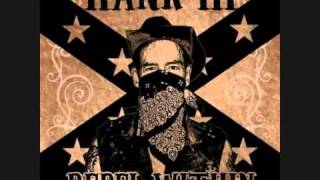
Watch the official Rebel Within
music video
More than outlaw posturing
Hank Williams III built much of his career around outlaw country, hard living, and pushing against industry polish. On the album Rebel Within, released in 2010, that persona was already well established. The record was his fifth solo album and his last authorized album from Curb-related release channels, a detail that matters because conflict with labels was part of his public image too.
That context helps explain why the song feels so aggressive and stubborn. It fits an artist who often framed himself as resisting control, whether that control came from Nashville expectations, family legacy, or social rules. The track also helped an album that reached No. 4 on the Billboard Top Country Albums chart, showing that this rough-edged style still connected with a sizable audience.
A narrator who turns damage into identity
The verses tell a cycle, not a story
The song does not unfold like a neat narrative with a beginning and end. Instead, it moves in circles. Drinking leads to more drinking. Hard times lead to more escape. Regret leads right back to excess. When the narrator says bottles getting lower
, the line works as both a literal image and a warning sign. Supplies are running out, but so is control.
The same pattern appears in the chorus. Lines like I'm drunk, again
and You're stoned, again
repeat the word “again” to stress habit. This is not a wild one-time night. It is routine. The repetition makes the lifestyle sound exhausting, even as the performance tries to make it sound thrilling.
Guilt sits under the swagger
One of the song’s most revealing moments comes when the narrator admits they never made their mother proud. That line shifts the song away from pure rebellion and toward inner conflict. They know the life they live carries damage. They know other people see it as failure.
Here the song briefly drops the mask. The narrator wonders if their problems came from the chaos they caused, from substance abuse, or from never fitting in. That self-questioning matters because it shows awareness. They are not clueless. They understand the cost, yet they keep moving toward it anyway.
Maybe they do not fit in,
maybe they chose the wrong road,
but they still lean into the life
that made them who they are.
Interpretation: this is the emotional center of the song. Rebellion here is not freedom in a clean, heroic sense. It is closer to resignation. The narrator acts tough because toughness is the only shield they trust.
What the chorus really means
The chorus is blunt, sexual, and repetitive, but its real job is psychological. It reduces life to appetite, intoxication, and the present moment. There is no future plan in it. There is only the next hit of pleasure and the next chance to outrun regret.
When the singer says they are showing you the rebel within
, that sounds like a challenge. It is almost a dare to the listener or to a partner. Accept this side of them, or walk away. The line turns the whole song into a statement of identity: this is who they are when the social mask drops.
Sound and production carry the message
The production strengthens the song’s meaning. Hank Williams III produced the album himself, and the sound matches the lyrics: rough, direct, and unvarnished. The track leans on a hard-driving country feel, with a barroom pulse that supports its heavy drinking imagery.
The arrangement does not romanticize pain with soft textures. Instead, it pushes forward with force, making the rebellion feel physical. The vocal delivery is especially important. It sounds less like careful storytelling and more like someone spitting out a truth they have repeated for years. That grainy intensity keeps the song from feeling too playful.
A contemporary Slant review noted the album’s mix of country tradition and abrasive energy. That blend is key to the title track. It takes familiar country themes like whiskey, regret, and bad choices, then turns the volume up until those themes feel nearly confrontational.
Two strong ways to read it
Interpretation 1: The song is a celebration of outlaw living. In this reading, the narrator rejects judgment and chooses raw honesty over fake respectability. The song becomes a proud anthem for outsiders.
Interpretation 2: The song is about being trapped in a persona. In this reading, the swagger is partly defensive. The narrator keeps performing rebellion because they no longer know who they are without it. The repeated returns to drinking, sex, and hard times suggest compulsion more than freedom.
Both readings can be true at once. That tension is why the song lasts. It is loud and reckless, but it also sounds tired in places, as if the rebellion has become both armor and prison.
Why the song still lands
The meaning of Rebel Within Hank Williams III is not subtle, but it is not empty either. It captures a familiar American music figure: the outlaw who turns pain into style and style into survival. What gives the song weight is that it hints at the loneliness under the image.
They are not just hearing a rebel boast. They are hearing someone admit that rebellion may be the only language they have left.
Disclaimer: Song meaning is always part fact, part interpretation. This reading is based on the lyrics, the song’s sound, and publicly available context about Hank Williams III and the 2010 album.







