Why Hank Jr.'s Rowdy Anthem Feels So Human
The meaning of All My Rowdy Friends (Have Settled Down) Hank Williams, Jr. starts with a simple idea: growing older can feel lonely, even for people who once lived loud. The song is funny on the surface, but under that humor is a real sense of change. It is about a man looking around and realizing that the wild circle he once knew has moved into a calmer stage of life.
"All My Rowdy Friends (Have Settled Down)" - Hank Williams, Jr.
And it seems to be more in the laid back songs
Nobody wants to get drunk and get loud
Loading lyrics...
Unable to load lyrics
We're unable to display the lyrics at this time. Please try again later.
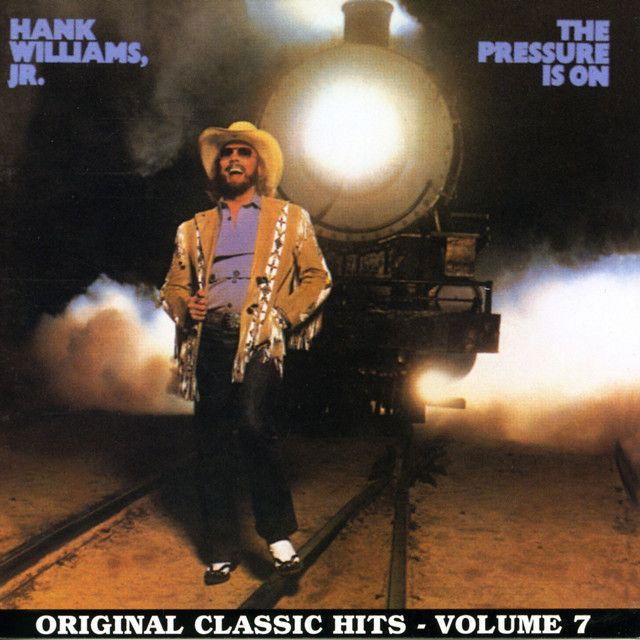
Released in 1981 on The Pressure Is On, the song became one of Hank Williams Jr.'s signature hits. It fits the outlaw-country image he helped shape, yet it also pauses to admit that time catches everybody. That mix of swagger and honesty is a big part of why the song still connects.
More Than a Party Song
At first, the chorus sounds like a complaint. The singer says all his old running buddies have settled down
. In plain terms, he misses the days when everybody wanted to stay out, make noise, and chase trouble.
But the song is not only mourning lost fun. It also admits that the singer has changed too. He says he has seen his own wild years, which means they are not standing outside adulthood judging everyone else. They are inside the same process, even if they resist it.
That tension gives the song its emotional pull. It jokes about no one wanting to get drunk and get loud
, yet behind the line is a deeper truth: youth, fame, and nightlife do not last forever.

Watch the official All My Rowdy Friends (Have Settled Down)
music video
The Story Hidden in the Verses
The verses move like a check-in with an old scene. First, the singer notices the mood has changed. The old energy is gone, and the crowd now prefers quieter nights and going home early. That shift is not presented as tragic, just strange.
Then the song turns inward. The singer remembers having their own name at the top and needing a friend to run around
with. That detail matters because it frames rowdiness as social. This is not just about drinking or partying. It is about friendship, identity, and belonging.
The final step is acceptance. By the end, the singer more or less admits they have changed too. The closing idea, that they and their friends have already rowdied on down
, turns the joke back on the narrator. It is self-aware, which keeps the song from sounding bitter.
Country Lineage and Family Shadow
One of the richest parts of the song is how it places Hank Williams Jr. inside country history. They mention finally understanding what their father meant by Lost Highway
. That points back to Hank Williams Sr. and his songs about drifting, pain, and hard living.
This is where context deepens the meaning. Hank Jr. was not only a country star; he was the son of one of the genre's most legendary and haunted figures. By referencing his father, he suggests that the road from youthful rebellion to weary reflection is an old country pattern, not just a personal crisis.
He also names other major artists like George Jones, Johnny Cash, Waylon Jennings, and Kris Kristofferson. Those references do two things:
- They make the song feel like a report from inside country music.
- They show that even famous rebels grow older, sober up, or move into new roles.
That gives the song a communal meaning. It is not one man aging out of trouble. It is a whole generation watching itself change.
How the Sound Supports the Message
Musically, the track helps sell that balance between toughness and reflection. It has a sturdy country-rock feel: strong drums, electric guitar, steady rhythm, and a singalong chorus. The arrangement is not soft or mournful. Instead, it sounds confident and barroom-ready.
That choice matters. If the production were slow and sad, the song would become pure regret. Instead, the upbeat drive lets Hank Jr. laugh at the situation while still admitting it hurts a little. The music says, in effect, that maturity does not erase personality.
Their vocal delivery also carries the meaning. He sounds rough, amused, and slightly worn-in. That voice makes the song believable. It feels like they have earned the memory they are singing about.
Two Strong Ways to Read It
Interpretation 1: The song is about aging with humor. In this reading, the main point is that everybody eventually trades chaos for comfort. References to hangovers hurting more and simpler pleasures replacing hard living support that idea.
Interpretation 2: The song is also about the loneliness of identity change. If somebody has always seen themselves as the wild one, what happens when the crowd no longer plays that role? The repeated chorus sounds less like a joke and more like a man realizing a version of himself is disappearing.
Both readings can be true at once. That is why the song stays interesting.
Why the Chorus Still Lands
The hook works because it is specific and universal at the same time. Most listeners may not have lived like outlaw-country stars, but many know the feeling of looking up one day and seeing that the friend group, the scene, or the era has changed.
That is the heart of the meaning of All My Rowdy Friends (Have Settled Down) Hank Williams, Jr. It captures a moment when nostalgia meets reality. The song laughs, but it does not hide from the loss underneath.
The Lasting Takeaway
What makes this song endure is its honesty. It celebrates the old wild days without pretending they could last forever. It also respects the fact that people grow up, clean up, pair off, and head home.
Hank Jr. turned that realization into a country anthem that feels both big and personal. The rowdy life is fading, but the memory still sings.
Disclaimer: This interpretation is based on the lyrics, musical context, and public history around the song. As with any art, listeners may hear different meanings in it.







