Why Hawkwind’s “Death Trap” Feels So Dangerous
A crash song that means more than a crash
The meaning of Death Trap Hawkwind starts with motion, panic, and a machine falling apart. On the surface, the song sounds like a wild breakdown on the road: parts fail, heat rises, and the driver seems locked into disaster. But Hawkwind turn that scene into something bigger.
"Death Trap" - Hawkwind
Feels like I'm heading for the crisis of all creation
Only those with death wish understand my situation
Loading lyrics...
Unable to load lyrics
We're unable to display the lyrics at this time. Please try again later.
They present catastrophe as both physical and spiritual. The singer feels danger in the body first, then imagines it as cosmic crisis, religious suffering, and fatal destiny. That mix is classic Hawkwind: real-world grit pushed into sci-fi and apocalypse.
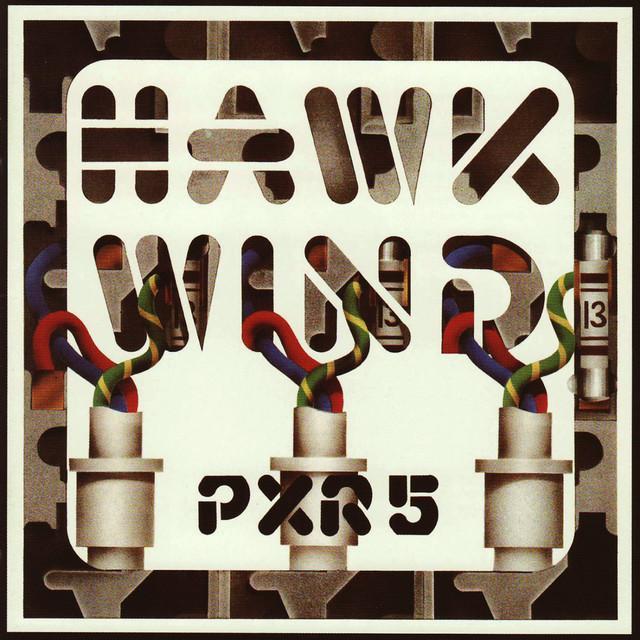
Factually, “Death Trap” opens PXR5, Hawkwind’s 1979 album, though the material was recorded earlier during a chaotic period for the band. Robert Calvert and Dave Brock wrote the song, and both are credited as producers on the track. That unstable band moment matters, because the song itself feels unstable too.

Watch the official Death Trap
music video
The core idea behind the lyrics
At its center, “Death Trap” is about being trapped inside a system already heading toward collapse. The system could be a car, a body, a life, or even modern society. The song never locks itself to just one reading, and that openness is part of its power.
The first lines describe a warning signal, a bodily dread, before widening into what they call a total crisis. Then the lyric jumps from private fear to spiritual theater with Jesus Christ
and the image of the stations. That does not read like calm faith. It feels like martyrdom, suffering, and a set path toward pain.
Interpretation: the narrator is not simply scared of a wreck. They seem to recognize that they are already inside a doomed process. The repeated title phrase, death trap
, suggests a closed circuit. There is movement, but no escape.
How the verses build one long emergency
From body alarm to mechanical failure
The writing connects human stress to machine stress. At first, the singer feels something in the body. Soon after, the song lists broken parts, overheated systems, and failing brakes. That move is important.
It suggests that person and vehicle are becoming one. When the machine seizes, the self also seizes. When the song mentions burning plastic
, the smell is not just sensory detail. It is the odor of modern life melting down.
Crank shaft cracking up
Brake drums blowing out
Tires on fire now
That short passage is one of the song’s sharpest moments because it strips away metaphor and gives the listener pure failure in sequence. The song becomes a checklist of doom.
The strange image at the center
One of the oddest phrases is Monkey on elastic
. It sounds absurd, almost comic, and that is likely the point. Robert Calvert often mixed menace with satire and grotesque humor.
Interpretation: this image may suggest helpless bouncing, loss of control, or a human reduced to a toy. In a song full of heat, friction, and fate, it turns the driver into something ridiculous as well as tragic. Hawkwind often found terror in that border between the cosmic and the silly.
Why the chorus feels like a loop
The repeated hook keeps returning to death trap
instead of offering a new thought or escape route. That repetition matters because it mimics obsession. The singer cannot think beyond the trap, so the song cannot either.
There is also a physical effect. Repeating the title creates the feeling of wheels spinning or a warning light flashing. The listener gets stuck in the same groove as the narrator.
Interpretation: the chorus may be about addiction to danger as much as fear of it. One line suggests that only those with a death wish would understand this state. That makes the song feel split between horror and attraction. The trap is deadly, but it also pulls the speaker forward.
The sound turns the lyrics into lived panic
Musically, “Death Trap” is concise by Hawkwind standards, but it still carries their space-rock identity. The band combines hard-driving rock rhythm with electronic texture, making the track feel both mechanical and unstable.
According to the PXR5 credits, the lineup on the album included Robert Calvert on vocals, Dave Brock on guitar, bass, synth, and vocals, Simon King on drums, plus other members across the album. The record was cut during 1977–78 sessions and mixed at Rockfield Studios, before finally arriving in 1979. That stop-start history helps explain why the album, and this opener, sound like a band in transition.
The guitar and rhythm section push the song like an engine under strain. The synths add a metallic, nervous edge rather than dreamy space. Instead of floating, Hawkwind sound pinned to the ground and skidding across it.
This also fits how critics have described PXR5: a late-70s Hawkwind record that absorbed some pop and new wave energy without giving up the band’s identity. On “Death Trap,” that means urgency over sprawl.
Artist context sharpens the meaning
Hawkwind in this era were not a stable machine. PXR5 was released on June 15, 1979, and reached No. 59 on the UK chart, but its path was messy. The band split during a 1978 U.S. tour, Simon House left, and Robert Calvert struggled with serious mental health issues, delaying the album’s release, as documented in the album history.
That context does not “explain” the lyric in a simple way, but it does make the song’s atmosphere feel even more real. “Death Trap” sounds like a group singing from inside breakdown, not observing it from a safe distance.
Final reading: machine doom with a human face
So what is the meaning of Death Trap Hawkwind? Most clearly, it is a song about unstoppable collapse told through a vehicle disaster. But it also works as a picture of mental overload, fatalism, and modern systems that run too hot until they fail.
Its genius lies in the way it joins body, machine, religion, and black comedy into one fast, smoking image. The song does not ask whether disaster is coming. It acts like disaster is already underway.
That is why “Death Trap” still lands. They make the listener feel the heat, smell the ruin, and hear the parts coming loose.
Disclaimer: This interpretation is based on the lyrics, available album history, and Hawkwind’s broader style. Like many songs, “Death Trap” can support more than one meaning.








