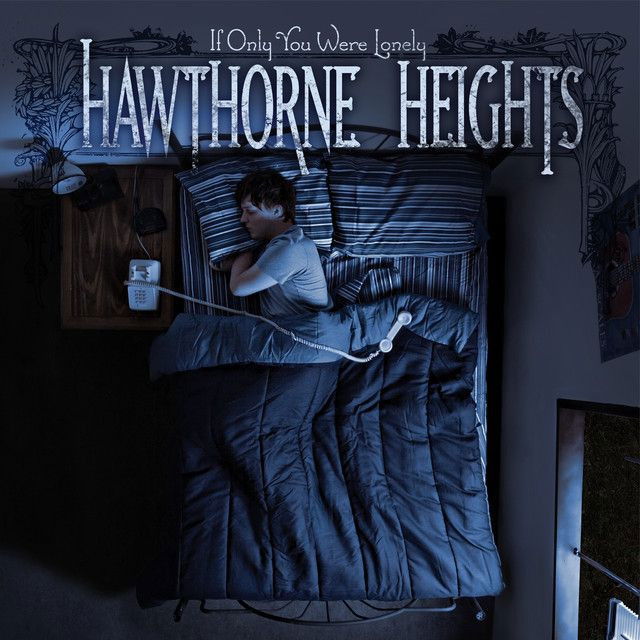
Why 'This Is Who We Are' Feels So Final
The meaning of This Is Who We Are Hawthorne Heights comes down to one painful idea: some losses cannot be repaired, and some truths arrive too late. The song frames that feeling through images of distance, denial, and mourning. Even before the most direct funeral reference appears, the lyrics build a world where people are stuck between what they wanted and what actually happened.
"This Is Who We Are" - Hawthorne Heights
Lies the present in the distance
So you think we're never coming back
Loading lyrics...
Unable to load lyrics
We're unable to display the lyrics at this time. Please try again later.
Hawthorne Heights built their reputation on emotional alternative rock, and this track fits that identity. The band’s official history shows a group long associated with cathartic, heart-on-sleeve songwriting, which helps explain why this song pushes grief into dramatic, memorable language (Hawthorne Heights, AllMusic).
A Song About Irreversible Loss
At its core, the song sounds like a meditation on aftermath. The repeated line about never returning is not just about physical absence. It feels like emotional finality, the moment when they realize that whatever was broken cannot be restored.
That feeling gets stronger because the verses are full of opposites. The song places people between past and future, sadness and smile, danger and safety. Those pairings suggest a speaker trapped in transition, unable to live fully in memory or move fully into healing.
Interpretation: This is why the track can feel larger than a breakup song. It may begin with relationship language, but it grows into something closer to grief after death, especially once it mentions words placed on a casket.
Watch the official This Is Who We Are
music video
The Funeral Image Changes Everything
The most striking line in the song is the casket image. Until then, listeners could hear the track as a story about lovers drifting apart. After that, the emotional frame widens.
When the lyric mentions a casket, the song suddenly sounds like regret spoken too late. The idea that someone tried your best
but knew it would not last suggests guilt, helplessness, or the failure to save a relationship—or a person.
not coming back
not coming back
That brief refrain hits hard because it strips the song down to its rawest truth. There is no clever image there, only blunt acceptance. In grief, that kind of repetition can sound like disbelief turning into reality.
The Speaker Sounds Angry, Too
The song is not only sad. It is also accusatory. One of its sharpest moments is when the speaker says the other person claimed the pain never hurt you
, but they did not believe it.
That matters because grief is rarely pure. It often carries blame, frustration, and the feeling that someone hid the truth until it was too late. The line about being a liar
points to emotional denial, whether that denial belonged to a partner, a family member, or someone refusing to admit they were falling apart.
Interpretation: The speaker may be confronting a person who minimized suffering until the consequences became fatal. Another possible reading is that they are speaking to themselves, replaying warnings they wish had been louder.
Why the 'Between' Language Matters
The verses repeatedly build meaning through spaces in the middle. Instead of describing a clean event, the song focuses on thresholds: between future and past, between lines and highway, between sadness and smile.
This technique makes the lyrics feel unstable. The characters are never fully safe, fully honest, or fully healed. Even the phrase flicker of the fire
suggests something still alive but fading.
That in-between writing style is one reason the song lands emotionally. It reflects how trauma often feels in real life. People do not move neatly from hope to disaster. They stay suspended between warning signs and consequences.
How the Sound Reinforces the Meaning
Musically, Hawthorne Heights use an alternative rock approach that supports the lyrics well. The guitars create tension, the rhythm section keeps the song moving forward, and the vocal delivery gives the chorus a desperate edge. That combination turns private sorrow into a collective outcry.
The credited writers—Casey Calvert, Eron Bucciarelli-Tieger, James II Woodruff, Matthew Ridenour, and Micah Carli—reflect a full-band writing effort, which often helps explain why the song balances personal detail with big, chant-like emotion. The band’s catalog is known for this mix of melody and heaviness (Discogs).
What stands out most is the contrast between reflective verses and a chorus that pushes outward. The quieter images feel like inner thought, while the repeated hook feels like shared grief shouted into a room.
Two Strong Readings of the Song
Reading One: A Death After Emotional Distance
This is the strongest reading. The casket reference, the language of finality, and the blaming tone all point toward mourning someone after unresolved conflict. In this view, the song is about what happens when honesty arrives too late.
Reading Two: A Relationship Described Like a Death
There is also a metaphorical reading. The funeral image may represent the burial of a relationship rather than a literal death. In that version, the song treats heartbreak as a kind of emotional funeral, where old words become memorial objects.
Both readings work because the lyrics never fully close the door on ambiguity.
Why the Song Still Connects
The meaning of This Is Who We Are Hawthorne Heights stays powerful because it captures a familiar emotional trap: knowing something was ending, but still not being ready when the end arrived. Its language is dramatic, but its emotions are common—regret, blame, denial, and the wish to undo what cannot be undone.
That is why the song feels so final. It is not just about losing someone. It is about realizing that the last chance may have passed long before anyone admitted it.
Disclaimer: This interpretation is based on the lyrics, artist context, and musical presentation. Like many songs, it can support more than one valid reading.







