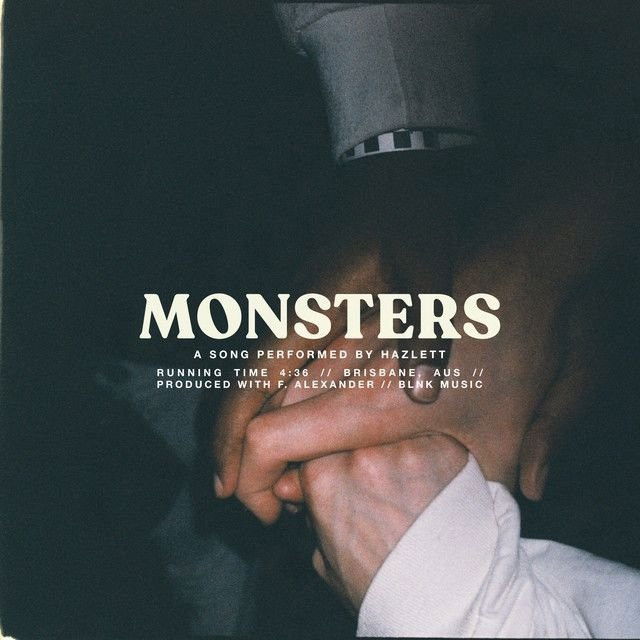
Monsters by Hazlett: Desire, Guilt, and Grace
Hazlett’s “Monsters” turns a messy night out into a bigger question about human behavior. The meaning of Monsters Hazlett is not that people are evil at heart. It is closer to the idea that people can be reckless, selfish, and lost, yet still be trying to find their way back to honesty.
"Monsters" - Hazlett
Good wine wasted on the walls
One-time gowns to wipe it off
Loading lyrics...
Unable to load lyrics
We're unable to display the lyrics at this time. Please try again later.
That reading fits the song’s backstory. In a 2019 press write-up, Hazlett said the track was inspired by a new bar in his hometown and the repeated drama he watched there: hookups, fights, tears, and bad decisions. But the key detail is that he also caught himself judging those people, then questioned that judgment. As he put it in comments reported by EARMILK, people can do terrible things without becoming terrible forever.
Where the song begins: a room full of damage
The opening verse drops the listener into a celebration that already feels spoiled. Images like good wine wasted
and fancy clothes being used to clean up a mess suggest excess without joy. This is not romance in a glowing movie sense. It is a party scene where pleasure and damage happen at the same time.
Then the song adds desire and betrayal. The mention of hungry kisses
in hallways and cheating hearts
makes the space feel crowded with impulse. Even the reference to Russian dolls hints at layers within layers: people hiding motives inside appearances, or repeating the same mistakes in slightly different forms.
Interpretation: Hazlett seems less interested in scandal itself than in what scandal reveals. The bar becomes a stage where loneliness, need, and insecurity stop pretending to be neat.

Watch the official Monsters
music video
The chorus asks a hard question, not a cruel one
The emotional center of the song is the repeated line Are we monsters?
That question matters because it is framed as a shared problem. The lyric does not point at one villain. It says led by the things we wanted
, which shifts the focus to desire and weakness.
That makes the chorus feel almost philosophical. Wanting love, attention, escape, or validation can pull people into behavior they later regret. The next idea, wanting to be more honest, shows that they are not beyond self-awareness. They know something is off, and they want to uncover what is haunting us
.
So the chorus is not just about guilt. It is about recognition. People often act out because they are driven by needs they do not fully understand.
Sleeplessness and darkness: the song’s inner weather
One of the strongest details is the recurring warning that they are not going to sleep. On the surface, that fits the nightlife setting. But in emotional terms, insomnia usually signals unrest. The conscience stays awake when the heart is unsettled.
That idea deepens with the image of darkness moving in quietly. Hazlett describes moral confusion as something subtle, not dramatic. People do not always notice when they are drifting. Bad habits, blurred boundaries, and self-deception often arrive softly.
We're not going to get no sleep
The darkness moves over so discretely
This is the song’s clearest summary of its mood: restless, intimate, and uneasy. The problem is not only what happened at the bar. The deeper problem is what follows people home when the noise dies down.
A small light still breaks through
For all its guilt and tension, “Monsters” is not hopeless. The second verse opens a path toward truth. When Hazlett suggests that rescue may come if someone is open to it, he introduces the idea that self-knowledge can interrupt self-destruction.
The song also admits why that is difficult. It says chemistry is hard to find when people are wrapped in insecurity. That is one of the track’s sharpest observations. Many bad choices in relationships do not come from confidence; they come from fear, emptiness, or the need to feel chosen.
Interpretation: In this reading, the “monster” is not some fixed identity. It is the version of a person that appears when insecurity starts steering their life.
How the sound supports the meaning
According to EARMILK, “Monsters” begins with gentle strummed guitar and expands into a larger folk-pop arrangement. That shape matters. The soft opening feels observant and personal, almost like someone thinking out loud. As the track grows, the emotional stakes widen, making private shame feel communal.
Hazlett’s vocal style also helps. He sings with a worn, comforting tone rather than with rage. That keeps the song from sounding judgmental. Even when the lyrics describe chaos, the performance leaves room for mercy.
The contrast is important: the scene is messy, but the delivery is compassionate. That tension supports the song’s central message that flawed behavior should be examined honestly, not turned into permanent condemnation.
Why the song still lingers
Part of the meaning of Monsters Hazlett lies in its refusal to simplify people. It recognizes that nightlife can become a theater of vanity and hurt, but it also resists pretending that one bad season defines a whole person.
Hazlett reportedly described “Monsters” as being about people who lose their way and later find some light. That idea explains why the song feels sad but not cynical. It looks directly at weakness, then leaves open the chance of change.
Final takeaway
“Monsters” is about the uneasy space between desire and conscience. It asks how people can hurt each other while still longing to be decent, honest, and understood. That balance of guilt and grace is what gives the song its sting.
Disclaimer: This interpretation is based on the released lyrics, Hazlett’s reported comments, and the song’s musical presentation. Like any song, it can support more than one valid reading.








