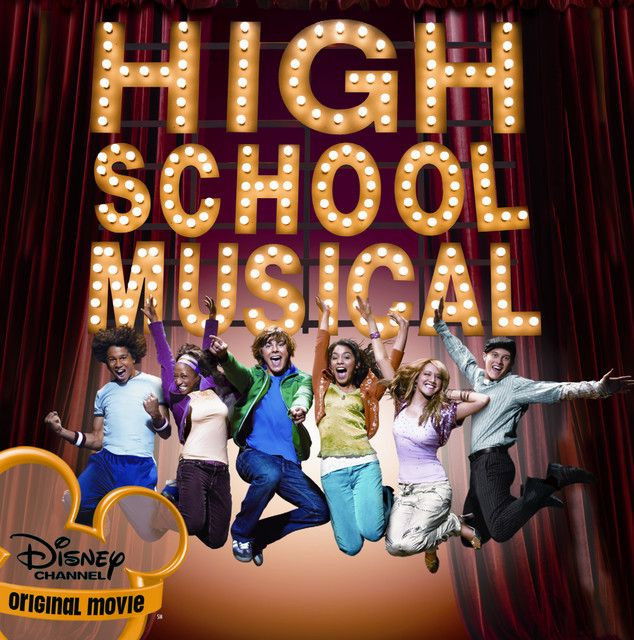
Why 'Stick to the Status Quo' Still Hits
A cafeteria song about fear, not just comedy
The meaning of Stick to the Status Quo - From "High School Musical"/Soundtrack Version High School Musical Cast centers on social labels. In the movie, students have clear roles: athlete, brain, skater, cheerleader. This number turns that system into a joke, but also shows how strict and stressful it feels.
"Stick to the Status Quo - From "High School Musical"/Soundtrack Version" - High School Musical Cast
There's nothin' but net
When I am in a zone and on a roll
Loading lyrics...
Unable to load lyrics
We're unable to display the lyrics at this time. Please try again later.
The song appears early in High School Musical, the 2006 Disney Channel film that became a huge pop culture hit. According to the film’s Disney listing, the story follows students pushing past the boxes other people put them in. This song gives that conflict a loud, funny, and very clear shape.
Its basic idea is simple: students admit they like things that do not match their group identity, and the room reacts like a crisis. The chorus pushes them back toward safety. That is why the song works. It is catchy enough for kids, but the pressure behind it is real.
Watch the official Stick to the Status Quo - From "High School Musical"/Soundtrack Version
music video
What the song is really saying
On the surface, each confession sounds harmless. One student likes baking. Another loves dancing. Another plays cello. None of these hobbies should be shocking.
But the whole cafeteria responds as if these interests break social law. The repeated warning stick to the stuff you know
is not just advice. It becomes a command to stay in the lane assigned by peers.
Interpretation: The song is about how teenagers learn to police each other. Nobody needs an adult to enforce the rules. The students do it themselves because belonging feels safer than being honest.
That is why the title matters. “Status quo” means the current order of things. In this world, the order depends on everyone performing a role. If one student changes, the whole system feels threatened.
How the verses build the theme
Each verse follows the same pattern: a student first presents a public identity, then reveals a private passion. This structure shows the gap between appearance and inner life.
Secret selves behind public labels
The basketball player starts with confidence and skill, then admits a softer hobby. The brainy student reveals a love for movement and hip-hop. The tough skater type shares a classical instrument. These confessions are small acts of courage.
The line my own secret obsession
captures that hidden side. The word “secret” matters because the song is not about unusual interests. It is about the fear of being seen.
When the group answers with not another sound
, the message becomes harsher. Silence is treated like protection. If nobody says their truth out loud, the social order survives.
Why the chorus sounds so controlling
The hook is simple enough to chant, which is exactly why it feels powerful. Lines like don't mess with the flow
and stick to the status quo
reduce a complicated fear into a school slogan.
That slogan hides insecurity. The students claim they want order, but what they really want is predictability. If identities can change, then popularity and rank can change too.
The sharp turn in the middle
Late in the song, the tension rises from teasing to panic. A short section shows multiple students trying to force things back into place.
This is not what I want
This is not what I planned
This is the article’s clearest emotional clue. The problem is not baking, dancing, or cello. The problem is loss of control. Students are upset because the script they rely on is breaking apart.
That moment also links the ensemble number to the larger plot. Troy and Gabriella’s decision to sing in auditions threatens the same social order. Their choices inspire others to speak up, and the cafeteria scene shows the chain reaction.
How the music sells the message
The production helps make the meaning easy to feel. The track moves like a pep-rally show tune mixed with bright 2000s pop. It uses call-and-response vocals, quick scene changes, and strong group chants so the pressure feels collective rather than personal.
The arrangement is bouncy and comic, but that brightness is part of the point. The song does not sound dark, yet it stages a miniature social crackdown. That contrast lets younger listeners enjoy the fun while older listeners hear the anxiety underneath.
The cast performance matters too. Different voices pop in with distinct personalities, then get swallowed by the full ensemble. In effect, individuality appears for a moment and is then overwhelmed by the crowd.
For credits, the song is commonly listed as written by Faye Greenberg and David N. Lawrence on the Walt Disney Records soundtrack page. Those writers give the number a musical-theater clarity: every character beat is easy to catch on first listen.
Why audiences still connect with it
Part of the song’s long life comes from how common its message is. Many listeners remember school as a place where interests got ranked as cool or uncool. Even adults recognize the same pressure in workplaces, friend groups, and online spaces.
Interpretation: The song lasts because it turns social conformity into something visible and singable. It shows that labels can look silly from the outside, even when they feel powerful on the inside.
It also fits the film’s broader message: people are more than one thing. A jock can sing. A brain can dance. A baker can still be popular. The movie never argues that identity must be chosen once and forever. It argues the opposite.
The big takeaway from East High's rulebook
The meaning of Stick to the Status Quo - From "High School Musical"/Soundtrack Version High School Musical Cast is that high school groups often protect themselves by limiting individuality. The song turns that pressure into comedy, but it never hides the cost.
Its smartest move is showing how ordinary these “forbidden” interests really are. That makes the social panic seem absurd, and that absurdity is the point. The song invites listeners to question any rule that says they can only be one kind of person.
Disclaimer: This interpretation is based on the song, film context, and publicly available credits. Meaning can vary from listener to listener.







