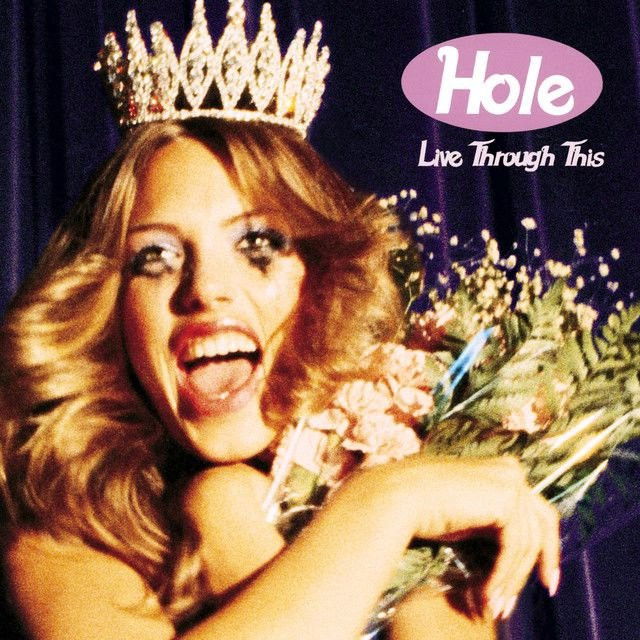
Plump by Hole: Motherhood, Hunger, and Rage
Why This Song Still Feels So Unsettling
The meaning of Plump Hole starts with contradiction. The song uses images of babies, feeding, and the body, but it does not sound warm or safe. Instead, it sounds disgusted, exhausted, and angry. That tension is the key to why the track still hits so hard.
"Plump" - Hole
Spittle on his bib
I don't do the dishes
Loading lyrics...
Unable to load lyrics
We're unable to display the lyrics at this time. Please try again later.
Released on Hole’s 1994 album Live Through This, “Plump” throws listeners into a world where nurture has turned into pressure. The speaker sounds trapped in a role they are expected to perform. Rather than praising motherhood or femininity, the song pokes at how those ideas can become punishing.
Watch the official Plump
music video
The Core Meaning of “Plump”
At its center, “Plump” appears to be about forced nurturing and the loss of self that can come with it. The song keeps returning to food, milk, and feeding, but these are not comforting symbols. They become signs of obligation, overconsumption, and revulsion.
When the speaker says overfed
, the idea is not satisfaction. It suggests too much being taken in, too much expected, too much pushed onto the body. Soon after, the line about your milk's in my mouth
turns nourishment into something invasive. What should sustain life instead causes sickness and fear.
Interpretation: many listeners hear the song as a critique of the way women are expected to give endlessly—to children, partners, family, or culture itself. The song does not present care as simple love. It presents care as labor that can swallow a person whole.
The Voice of the Song: Child, Mother, or Both?
One reason the meaning of Plump Hole stays powerful is that the speaker feels unstable in a deliberate way. They can sound like a resentful child in one moment and an overwhelmed mother in the next. That shifting voice makes the song more disturbing.
The early image of domestic refusal, including I don't do the dishes
, twists household expectations into something reckless and anti-domestic. Then the song turns toward infant imagery and dependency. Later, the line My baby's in her arms
creates distance, as if the speaker is looking at motherhood from outside their own body.
This blur matters. Hole often wrote songs that attacked neat roles for women. Here, “Plump” seems to collapse mother and child into one messy emotional knot. The person who is fed may also be consumed. The person expected to care may also feel helpless.
Images of the Body, Decoded
The body in “Plump” is not a stable home. It is a site of appetite, illness, and judgment. The title itself hints at body scrutiny. To be called plump
sounds almost childish or dismissive, but in the song it lands like an accusation.
The following passage captures that mix of body shame and rejection:
They say I'm plump
But I throw up all the time
The idea is brutally clear: outside observers label the body, while the person inside that body is falling apart. That gap between appearance and lived pain is one of the song’s deepest themes.
Interpretation: this can be read as a comment on beauty standards and the policing of women’s bodies. A woman can be judged as too much, too sexual, too maternal, or not maternal enough, all at once. “Plump” turns that scrutiny into nausea.
How the Sound Carries the Message
Hole’s performance is essential to the song’s meaning. On the studio recording, the guitars sound thick and abrasive, while the rhythm section keeps pushing forward instead of settling into comfort. That creates a feeling of pressure without release.
Courtney Love’s vocal is especially important. They do not sing these words softly or with clean polish. They spit them out, stretch them, and let them crack. That delivery makes the song feel bodily in the most uncomfortable way, as if emotion itself is raw tissue.
This fits the wider sound of Hole in the mid-1990s: punk aggression mixed with sharper pop instincts. “Plump” sits near the harsh end of that spectrum. It uses noise and repetition to make emotional disgust feel physical.
Artist Context Matters Here
“Plump” was written by Courtney Love and Eric Erlandson, and it arrived during a period when Hole was often discussed through tabloids and public scandal instead of craft. That matters because the song itself pushes back against the public hunger to consume women’s pain.
On Live Through This, many songs deal with female identity under pressure: the body as spectacle, femininity as performance, and love as damage. “Plump” fits that world perfectly. It is one of the album’s clearest examples of turning private discomfort into a social statement.
Without making claims beyond the lyrics, it is fair to say the song belongs to a larger feminist conversation in alternative rock. It challenges the saintly image of the mother and the obedient image of the woman. Instead, it gives listeners a voice that is bitter, unstable, and honest.
Two Strong Ways to Read “Plump”
There is more than one useful reading of the song:
- Motherhood as suffocation. The feeding images suggest caregiving turned into self-erasure.
- Body politics as violence. The references to size, sickness, and judgment point to shame around femininity and appearance.
- Consumption as a power struggle. To eat and be eaten are mixed together, showing how close love can sit to control.
These readings work best together. “Plump” is not just about one bad relationship or one domestic scene. It is about what happens when the body becomes public property.
The Lasting Meaning of Plump Hole
The meaning of Plump Hole lies in how it twists familiar symbols. Milk, babies, dishes, and the home usually suggest comfort. Here, they become signs of disgust, burden, and social control. That reversal is what gives the song its sting.
“Plump” endures because it refuses easy empathy. It does not ask listeners to admire suffering. It makes them sit inside it. In doing so, Hole created a song about motherhood, hunger, and identity that still feels brave and difficult.
Disclaimer: This article offers interpretation based on the lyrics, recording, and public context. As with most art, listeners may hear different meanings in the song.








