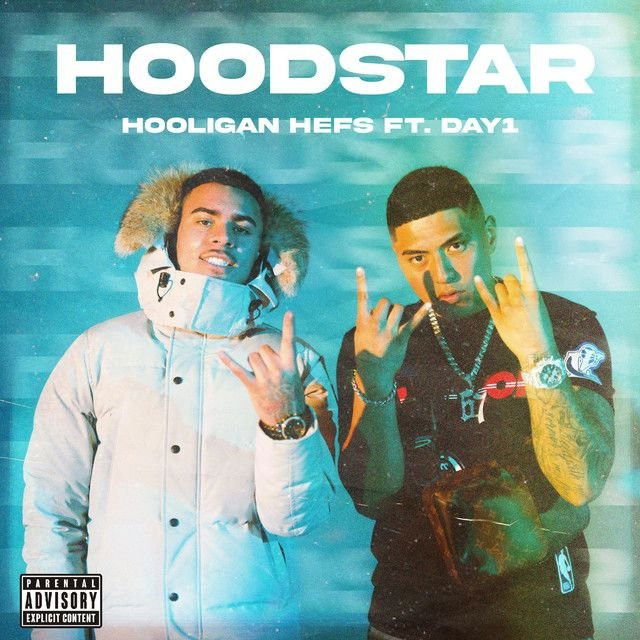
Hoodstar by Hooligan Hefs, Day1
The meaning of Hoodstar Hooligan Hefs, Day1 comes down to a sharp contrast: public success rising fast while old danger, grief, and pressure refuse to disappear. The song sounds like a victory lap, but it keeps reminding listeners that the victory is incomplete.
"Hoodstar" - Hooligan Hefs, Day1
Didn't have no good start
Now it's push to start my whip now
Loading lyrics...
Unable to load lyrics
We're unable to display the lyrics at this time. Please try again later.
Released as a 2021 single by Hooligan Hefs featuring Day1, “Hoodstar” arrived during a strong run for Hefs, the Doonside, New South Wales rapper whose breakout years included charting singles and growing recognition in Australian hip-hop. According to publicly listed discography information, the track was released on July 31, 2021 and reached No. 34 on the NZ Hot Singles chart (Wikipedia).
From street identity to star status
The hook gives the song its whole frame. They describe going from hoodstar to a rockstar
, which is more than a flex about money. It marks a change in how they are seen.
A “hoodstar” suggests local fame earned in the neighborhood. A “rockstar” suggests larger celebrity, bigger stages, and national attention. The point is not that one identity replaces the other. The song argues that both exist at once.
That matters because the chorus also pairs new comfort with old instability. They mention push to start
and better paydays, but the brag is quickly interrupted by fear, watchfulness, and conflict. In plain terms, success has upgraded the car and the booking fee, but not the surrounding tension.

Watch the official Hoodstar
music video
The chorus hides a warning inside the flex
The hook sounds easy to chant, which is part of why it works. But beneath the anthem feel, the writing is careful. Each gain is matched by a reminder of what still follows them.
A short multi-line section captures that split well:
Didn't have no good start
Now it's push to start
Still gotta dodge them cop cars
The first line sets up hardship. The second shows material progress. The third undercuts the fantasy by bringing law enforcement back into the picture. That structure tells listeners the song is not just about getting rich. It is about how past conditions stay active even after fame arrives.
Interpretation: the repeated hook may also suggest disbelief. By saying the change happened “so quick,” they sound proud, but also slightly shocked by how fast life turned.
Loyalty is as important as luxury
One of the clearest values in the song is loyalty. They stress that show money gets shared with the crew, and they insist fame has not made them too distant from their people.
That is important because many rap success songs focus only on personal ascent. Here, the rise is collective. The clique, the brethren, and the broader circle remain central. Even when they describe headlining status, they still define themselves through group ties rather than a fully solo identity.
This also helps explain the song’s emotional balance. Bragging is present, but it is constantly tied to memory and obligation. Wealth is not presented as pure freedom. It comes with the duty to represent, protect, and provide.
Grief gives the song its human center
The most affecting moment is not about money or charts. It is the line about missing a grandmother and imagining that loved one watching the transformation.
That detail changes the song’s weight. Without it, “Hoodstar” could be heard mainly as a hard-edged status record. With it, the track becomes a story about who is absent when success finally arrives.
Interpretation: this is where the song’s real vulnerability sits. They are not only proving doubters wrong. They are also measuring success against personal loss. Fame matters, but it cannot bring back the people they wish could see it.
Police, media, and the feeling of being watched
Another major theme in the meaning of Hoodstar Hooligan Hefs, Day1 is surveillance. They mention cop cars, old mugshots, and media attempts to damage their image. Even private spaces feel monitored.
That language creates a world where visibility is dangerous. Fame puts them on radio and billboards, yet visibility also increases scrutiny. They are celebrated and targeted at the same time.
This tension is one reason the song feels more complex than a simple come-up anthem. The public face of success is bright, but the emotional climate is defensive. The higher they rise, the more exposed they seem to feel.
How the sound carries the message
Hooligan Hefs is widely associated with Australian hip-hop while also working across grime, drill, and EDM-adjacent styles (Wikipedia). “Hoodstar” reflects that mix. The beat is direct and heavy, but the chorus is built to stick immediately.
That combination matters. The hard percussion and blunt vocal delivery keep the song rooted in street rap realism. The hook, meanwhile, has a big-event quality that fits the “rockstar” idea. The production therefore mirrors the lyric theme: gritty history colliding with larger-than-life fame.
Day1’s presence strengthens that effect. Their verse does not soften the mood. Instead, it expands the song’s world, showing that this pressure-and-success story belongs to more than one voice.
Why the song still hits
What makes “Hoodstar” memorable is its refusal to clean up the story. They celebrate getting paid and getting noticed, but they do not pretend success has made life simple. The song keeps both truths active: they made it, and they are still carrying the cost of where they came from.
That is why the track lands as more than a boast. It is about identity after ascent. They have become stars, but the hood remains part of the self, the memory, and the risk.
Disclaimer: This interpretation is based on the song’s lyrics, performance, and publicly available context. As with any song meaning, some readings are subjective.









