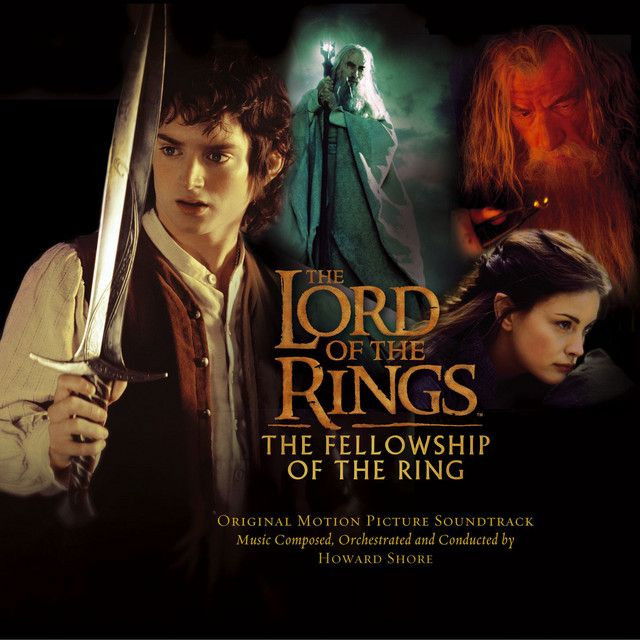
Why ‘The Breaking of the Fellowship’ Hurts So Much
The meaning of The Breaking of the Fellowship Howard Shore, Edward Ross is rooted in loss, loyalty, and hope after separation. Though many listeners know it as part of The Lord of the Rings: The Fellowship of the Ring, the song section often linked to it is “In Dreams,” written by Howard Shore with lyrics by Fran Walsh and sung in the film by Edward Ross. It arrives at a key emotional point: the group has been broken apart, but the story insists that love and memory still hold them together.
"The Breaking of the Fellowship" - Howard Shore, Edward Ross
Starless night will cover day
In the veiling of the sun
Loading lyrics...
Unable to load lyrics
We're unable to display the lyrics at this time. Please try again later.
That is why the music lands so deeply. It does not only describe sadness. It turns sadness into a promise that parting is not the end.
A Farewell Song Hidden Inside a Film Score
Factually, “In Dreams” was written for Peter Jackson’s 2001 film, with music by Howard Shore and lyrics by Fran Walsh. In the film, it is sung by Edward Ross of the London Oratory School Schola, and it appears in connection with “The Breaking of the Fellowship.” According to Wikipedia’s entry on the song, it draws on Shore’s Shire leitmotif in several forms, including a hymn-like setting.
That context matters. The scene and the music are not just about one character saying goodbye. They are about a whole moral world being tested. The Fellowship fails in a practical sense: it can no longer stay united. But the score asks whether friendship, duty, and home can survive even when people must walk different roads.

Watch the official The Breaking of the Fellowship
music video
What the Lyrics Are Really Saying
The lyric opens with images of darkness and hardship. Phrases like cold of winter
and starless night
suggest more than bad weather. They point to a world where safety has faded and the future is hard to see.
This is a simple but strong idea: after a breaking, life feels stripped of warmth, light, and certainty. The line about walking through bitter rain
reinforces that emotional climate. They are not merely traveling. They are enduring grief.
Then the song shifts. Instead of staying in despair, it turns toward memory and reunion. The repeated idea of hearing a loved one’s name in dreams
suggests that connection survives even when bodies are apart. Dreams become a bridge between absence and hope.
And in dreams
We will meet again
That brief refrain is the emotional center of the piece. It says reunion may not be immediate or physical, but it remains imaginable. In a story full of war and danger, that is a radical kind of comfort.
How the Final Lines Deepen the Meaning
The closing images widen the song from private grief to epic scale. When it imagines seas and mountains fall
, the lyric pushes beyond normal sorrow into an end-times feeling. Everything solid seems able to collapse.
Yet even there, the speaker hears a call and answers it. This is where the song connects most clearly to Tolkien’s world. Duty does not disappear because the heart is broken. If anything, grief sharpens purpose.
The ending phrase back again
also matters. It echoes Tolkien’s There and Back Again, the subtitle of The Hobbit. That small reference turns the lyric into a statement about the wider legendarium: journeys change people, but the hope of return remains central.
Why the Shire Theme Makes It More Emotional
One reason the meaning of The Breaking of the Fellowship Howard Shore, Edward Ross feels so moving is the music under the words. Shore builds the song from the Shire theme, which musicologist Doug Adams has described as able to sound pensive, rural, and hymn-like. That choice is brilliant because the Shire represents more than a place. It represents innocence, peace, and ordinary life worth protecting.
So when that melody returns here, it does two things at once:
- It reminds listeners what has been lost.
- It reminds them what the quest is trying to save.
- It frames sorrow within tenderness rather than rage.
The arrangement also helps. The melody is gentle, the tempo measured, and the boy soprano sound carries innocence without sounding naive. Edward Ross’s voice makes the lyric feel almost communal, as if it could be an old folk song remembered by the people of Middle-earth. That fits a comment noted in the song history that Shore’s hobbit music was designed to feel as if it could be both about the Shire and from it.
Two Strong Readings of the Song
Interpretation 1: It is about fellowship surviving separation
The clearest reading is that the song mourns the moment the group breaks apart while insisting their bond still matters. Darkness, distance, and disaster fill the verses, but the dream of reunion keeps the song from becoming hopeless.
In this view, the piece says friendship is not canceled by physical loss. It can continue as memory, loyalty, and future promise.
Interpretation 2: It is about home calling people forward
A second reading is more specifically Tolkien-like. The voice may be longing for home, but that longing does not pull them backward into passivity. Instead, it gives them strength to continue.
That is the paradox at the heart of the song: the more they remember what is gentle and good, the more willing they become to face darkness.
Why It Still Connects With Listeners
This piece lasts because it captures a feeling many people know: the pain of parting when love remains. Listeners do not need to know every detail of the film to understand its emotional truth. Anyone who has lost contact, said goodbye, or hoped to reunite can hear themselves in it.
It also avoids easy triumph. The song does not claim everything will be fine right away. It admits fear first, then offers hope. That balance is what gives it staying power.
The Lasting Takeaway
The meaning of The Breaking of the Fellowship Howard Shore, Edward Ross is not just that the Fellowship breaks. It is that breaking reveals what cannot be broken so easily: love, memory, duty, and the dream of return.
In that sense, the song is a farewell hymn for a shattered group and a quiet promise that their story, and their bond, will continue.
Disclaimer: This interpretation separates confirmed production facts from critical reading. As with most film songs, meaning can remain open to listener experience.








