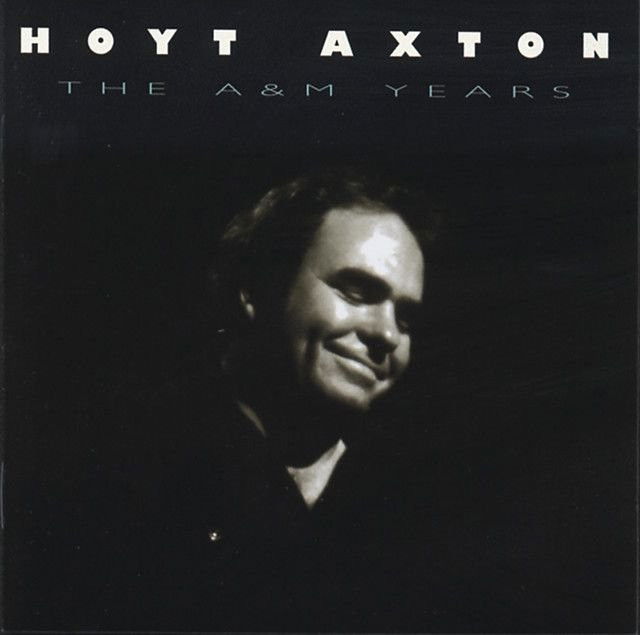
Less Than The Song by Hoyt Axton
The meaning of Less Than The Song Hoyt Axton comes down to a simple but moving idea: a person can feel small in front of the truth they are trying to sing, yet still grow into someone better through love, memory, and shared strength. It is a reflective song, but it is also warm and generous.
"Less Than The Song" - Hoyt Axton
I am more than I thought I could be
Spent some time as a child in daydreamin'
Loading lyrics...
Unable to load lyrics
We're unable to display the lyrics at this time. Please try again later.
Hoyt Axton was a singer-songwriter known for storytelling that mixed country, folk, and pop accessibility. He wrote major songs including "Joy to the World" and "Never Been to Spain," and his work often carried a direct, human voice rooted in lived experience, as noted in his Songwriters Hall of Fame profile and Encyclopaedia Britannica. That background helps explain why this song feels both personal and universal.
A humble opening with a larger message
The song begins with a striking confession: less than the song
. Paraphrased, the narrator admits that the ideals inside the music may be bigger than the person singing them. That is not self-hatred. It sounds more like humility.
Right after that, the lyric adds a second truth with more than I thought
. This creates the song's central tension. The narrator feels smaller than the beauty of the song, yet stronger and fuller than they once believed possible.
Interpretation: Axton may be describing the gap between art and ordinary life. Songs can sound pure and complete, while people remain unfinished. But the song does not stay in that gap. It says growth is still real.

Watch the official Less Than The Song
music video
Memory, travel, and the shape of a life
The first verse sketches a whole life in a few lines. The mention of childhood daydreaming and then sailing at sea gives the narrator a past shaped by imagination and experience. One short phrase, sailed on the sea
, suggests freedom, distance, and the testing that comes with adulthood.
This matters because the song is not only about romance. It is also about becoming. The narrator has moved from dreaming to living, from fantasy to struggle, and that journey has produced a wiser voice.
Why those images matter
Two motifs stand out:
- Dreaming points to hope, innocence, and possibility.
- Travel points to change, risk, and maturity.
Together, they frame a life where inner vision meets the outside world. That makes the later promise of support feel earned, not sentimental.
The song turns outward toward another person
After the self-reflection, the lyric shifts toward companionship. The narrator asks someone to stand beside them and help if they fall. In plain terms, they are saying that growth does not happen alone.
The key idea arrives in strength that you share
. The song argues that support between people is what gives life weight and direction. This is one reason the track feels so comforting. It does not celebrate rugged independence. It values mutual care.
Interpretation: The unnamed "you" could be a romantic partner, a lifelong companion, or even a broader symbol for community. The affectionate refrain later, including pretty mama
, leans toward a love song reading, but the message is broad enough to include family and chosen support systems too.
What the chorus really means
The emotional center of the song is the repeated wish that all your dreams are real
. Paraphrased, the narrator wants more than private happiness. They want the other person's hopes to become lived reality.
That is a powerful shift. Many love songs focus on possession or heartbreak. This one focuses on blessing. The narrator cannot feel fully at peace until the other person is fulfilled.
And I want you to be happy
Till all your dreams are real
This short passage reveals the song's generosity. Love here is active, almost parental in its tenderness, but still intimate. It sounds like devotion measured by care for another person's future.
How the sound likely supports the lyric
While detailed session credits are not widely documented in major public databases, Axton's catalog often favors an earthy singer-songwriter sound built from acoustic instruments, steady rhythm, and an unforced vocal approach, consistent with overviews of his career at AllMusic and Britannica. That style fits these lyrics well.
A song like this works best when the arrangement stays warm and uncluttered. A gentle tempo would let the words land. A slightly weathered vocal would make the life-story details feel believable. In other words, the likely production frame supports the meaning by sounding lived-in rather than flashy.
Different minds, same need for hope
One of the most thoughtful parts of the lyric mentions different minds, changes, reasons, journeys, and dreams left behind. That broadens the song beyond one relationship. People do not move through life in the same way, and they do not believe for the same reasons.
Still, the song insists on a shared human need: hope that survives change. Even when sweet dreams are lost, the answer is not cynicism. The answer is encouragement.
That is why the meaning of Less Than The Song Hoyt Axton feels enduring. It is about humility without defeat, love without control, and dreams without denial of hardship.
Final takeaway
In the end, this is a song about a person who knows they are imperfect but chooses care over pride. They look back on a life of dreaming and wandering, then decide that what matters most is helping another person stand, heal, and hope.
That balance gives the song its quiet power. It is modest, loving, and wise.
Disclaimer: This interpretation is based on the lyrics, Hoyt Axton's known artistic style, and publicly available career context. Like many songwriter-driven works, the song can support more than one valid reading.







