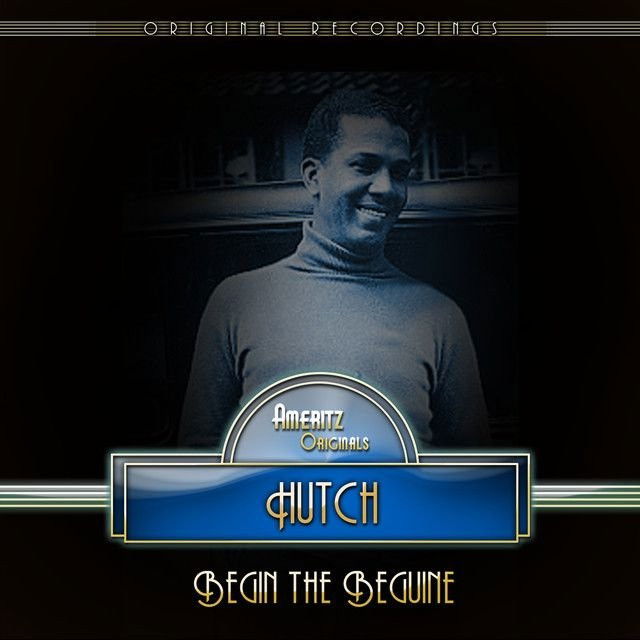
Don't Blame Me by Hutch
They came for the velvet tone, and they stayed for the tender plea. Hutch’s take on this Dorothy Fields and Jimmy McHugh standard turns a simple confession into a graceful argument: love made them do it. If you’re searching for the meaning of Don't Blame Me Hutch, this is a story of desire framed as destiny—and a clever way to move guilt off the singer’s shoulders.
"Don't Blame Me" - Hutch
I've hung around you just like a fool
Falling head and heels in love like a kid out of school.
Loading lyrics...
Unable to load lyrics
We're unable to display the lyrics at this time. Please try again later.
A Confession Wrapped in Old-Hollywood Glow
At its heart, the song is a plea for understanding. The narrator admits their feelings are intense and immediate—think the rush of a lucky night I found you
—and then explains why none of it should be counted against them. The hook isn’t an apology. It’s a case presented with charm.
Interpretation: Hutch’s version leans into romance over drama. The lyrics paint love as an irresistible force, while the performance softens the edges. It’s wooing, not begging.
Watch the official Don't Blame Me
music video
Who’s Talking, and What They Want
The voice is first person, speaking directly to a specific “you.” They’re trying to steady a budding relationship, saying in effect: I know I’m intense, but it’s because you’re extraordinary. Lines about being a “nuisance” suggest the singer worries they might overwhelm the other person.
Short phrases like Don’t blame me
repeat as both shield and invitation. They both excuse the behavior and ask the beloved to lean in rather than pull back.
How the Story Unfolds, Beat by Beat
- The meet-cute: a whirlwind moment sets everything off—
lucky night I found you
. - The flood of feeling: the narrator admits their heart is “in an awful state,” meaning giddy, shaken, unstoppable.
- The defense: they point to enchantment and atmosphere—
that doggoned moon above
—to explain why restraint isn’t possible. - The specifics: touch and taste are culprits too—
blame your kiss
—and the comfort of embrace. - The ask: don’t punish the feeling; accept it.
What the Refrain Really Argues
The chorus states the thesis in clear, unforgettable terms:
Don’t blame me for falling in love with you I’m under your spell but how can I help it!
Interpretation: The refrain reframes love as something that happened to them, not something they did. It’s disarming, almost legalistic—an argument built on charm.
Symbols That Sweeten and Shift the Blame
- The “spell”: When the singer says they’re enchanted, they make love feel magical, not messy. Power shifts to the beloved; the narrator becomes the helpless party.
- The moon:
that doggoned moon above
is a playful way to invoke fate and setting. It’s cinematic, suggesting that the night itself conspired in this romance. - The kiss:
blame your kiss
moves responsibility to a single, sensory spark. The detail grounds the feeling in the body, not just in the air. - The embrace: phrases like
melt in my arms
turn warmth into evidence—love is proven by how the body responds.
Together, these motifs turn accountability into admiration. Every “reason” is a compliment.
Why Hutch’s Delivery Matters
Hutch was famed for elegant, cabaret-poised singing, where close-up phrasing and a plush baritone let lyrics breathe. In this song, a likely piano-led arrangement and slow-to-medium tempo leave space for glides and sighs between syllables. They don’t rush the plea; they polish it.
Interpretation: The restraint in tone strengthens the argument. Rather than pushing, Hutch caresses the melody, as if to say, See? This isn’t reckless; it’s inevitable. Subtle rubato and legato lines mirror the narrator’s loss of control while keeping dignity intact.
The Meaning of Don't Blame Me Hutch, In Plain Terms
For listeners in the United States today, the meaning of Don't Blame Me Hutch lands as timeless: desire feels bigger than rules. The song suggests that chemistry writes its own script. Instead of shame, there’s celebration—infatuation as grace, not error.
It’s also a gentle negotiation. The singer asks for patience and acceptance, promising that the same forces that caused this rush—moonlight, magic, touch—can power a real connection.
Alternate Readings That Still Sing
- Interpretation: Pure surrender. The narrator truly believes fate and the beloved’s charm are to credit—and that love is beyond their will.
- Interpretation: Playful deflection. The blame-shifting is flirtation. They know they’re responsible, but it’s more fun (and effective) to praise the other’s powers.
Both views fit because the language holds a wink and a swoon at once.
Takeaway You Can Feel
Hutch turns a simple standard into a persuasive smile. By blaming moons, spells, and kisses, the song dignifies headlong feeling and invites the listener to say yes. The message endures: when love arrives with that kind of force, forgiveness isn’t needed—just understanding.
Disclaimer: Song meanings are interpretive and may vary by performance, arrangement, and listener experience.







