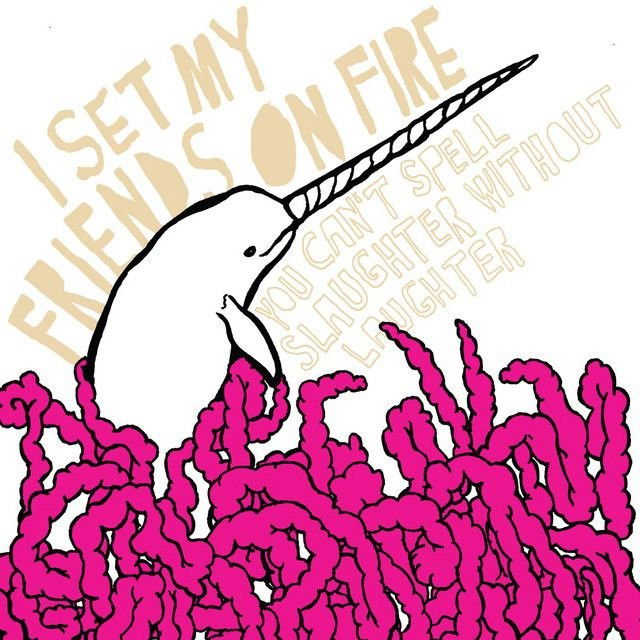
Why This Chaotic Song Is About Belonging
The meaning of Things That Rhyme With Orange I Set My Friends On Fire comes down to a sharp, messy fear: what if identity is just a costume built for attention? Beneath the band’s chaotic style, the song sounds like a satire of social climbing, trend-chasing, and the pressure to be seen as original.
"Things That Rhyme With Orange" - I Set My Friends On Fire
I only want you to think I'm fantastic.
I'll participate in what you believe,
Loading lyrics...
Unable to load lyrics
We're unable to display the lyrics at this time. Please try again later.
Rather than telling a clean story, they build a nervous monologue. The speaker wants approval, wants entry into the right circles, and keeps worrying about whether they are authentic or just copying what is already popular. That tension gives the song its bite.
A Panic Attack About Being Seen
At the start, the speaker openly admits they want validation. When they brag and beg at the same time, the song frames identity as performance, not self-knowledge. A phrase like think I'm fantastic
is less confidence than insecurity wearing loud clothes.
They also say they will go along with what others believe if it gets them noticed. That is one of the clearest clues to the song’s core idea. The speaker is not standing on principle; they are negotiating for attention.
This makes the song feel both funny and sad. It mocks fake coolness, but it also understands why someone might fall into it.

Watch the official Things That Rhyme With Orange
music video
The Real Enemy Is Social Sorting
The chorus sharpens that theme. When the speaker asks whether they are accepted and wonders which crowd they belong to, the song shifts from personal insecurity to social pressure. The line about multiple crowds
suggests a world broken into scenes, styles, and tribes.
Interpretation: the lyrics seem to criticize how modern culture turns identity into categories. Instead of asking who they are, the speaker asks which box they fit into. That is a big difference.
The image of “corporate skyscrapers in the clouds” adds another layer. Even if the phrase is surreal, it sounds like a jab at systems larger than the individual. Trends, status, and branded identities may not arise naturally. They may be shaped from above, then handed down for people to copy.
Originality Versus Copying
One of the song’s smartest ideas is its attack on borrowed style. The speaker says they may follow a pre-existing runway
instead of building something new. In plain terms, they know imitation is easier than invention.
That confession matters because the song is full of self-awareness. The speaker is not just fake; they know they are being fake. That makes the track feel more like satire than simple boasting.
Later, the song talks about a sign, a marker, an emblem refined for one’s “aesthetic kin.” That language points to symbols people use to identify each other. Clothes, slang, design, taste, and scene references become badges of belonging.
Interpretation: the song is saying style can become a shortcut. Instead of deep connection, people use shared signals to prove they belong.
The Portrait They Fear to See
Another revealing section centers on being drawn or represented. The speaker panics at the idea of being turned into an image, admitting they are not a finished portrait and are still working on it. That idea is simple but effective.
They want to look cool before they truly know themselves. In other words, image arrives before growth. That is one reason the song feels so relevant: it captures the fear that others will define someone before they can define themselves.
The line about being working on it
briefly softens the sarcasm. For a moment, the speaker sounds human rather than cartoonish. They are insecure, unfinished, and painfully aware of it.
Why the Sound Feels So Unstable
I Set My Friends On Fire are known for blending post-hardcore, electronic chaos, and screamo-adjacent shock energy, and that matters here. Even without neat melodic comfort, the song’s hyperactive structure supports its meaning. The vocals lurch between attitude and panic, which mirrors a speaker who wants control but keeps slipping into neediness.
The music does not create a stable identity; it constantly fractures one. Fast shifts, abrasive textures, and exaggerated delivery make belonging sound exhausting rather than glamorous.
Interpretation: the production turns the lyrics into a sensory version of social anxiety. Instead of calmly saying “I do not know where I fit,” the band makes the listener feel that confusion.
A Smaller Satire Hidden in the Crude Humor
There is also a rough, juvenile section about manners, obscenity, and bathroom behavior. On the surface, it sounds random. But in context, it fits the song’s wider attack on social rules.
The joke seems to be that people obsess over what is acceptable, tasteful, or “right,” even in trivial situations. That mirrors the larger question running through the track: who gets to decide what counts as cool, proper, or worthy of inclusion?
Then the song turns colder. The final lines move from wanting into the conversation to rejecting it, and even claiming social victory over others. That feels bitter, not triumphant. Once exclusion hurts enough, the speaker starts copying the same cruelty.
So What Is the Song Really Saying?
The best answer is that the meaning of Things That Rhyme With Orange I Set My Friends On Fire lies in its portrait of desperate belonging. It is about the urge to be included, the temptation to imitate, and the emptiness of identities built only from outside approval.
At its most cutting, the song suggests that scenes and subcultures can promise self-expression while quietly demanding conformity. At its most human, it shows someone terrified that without a crowd, they may not know who they are.
That mix of parody and confession is why the song lasts. It is loud, absurd, and immature on purpose, but underneath the chaos is a very recognizable fear.
Final Take
They turn insecurity into spectacle. The result is a song that laughs at performative coolness while also exposing how badly people want to belong.
Disclaimer: This article offers interpretation based on the lyrics and musical presentation. Meanings can vary from listener to listener.







