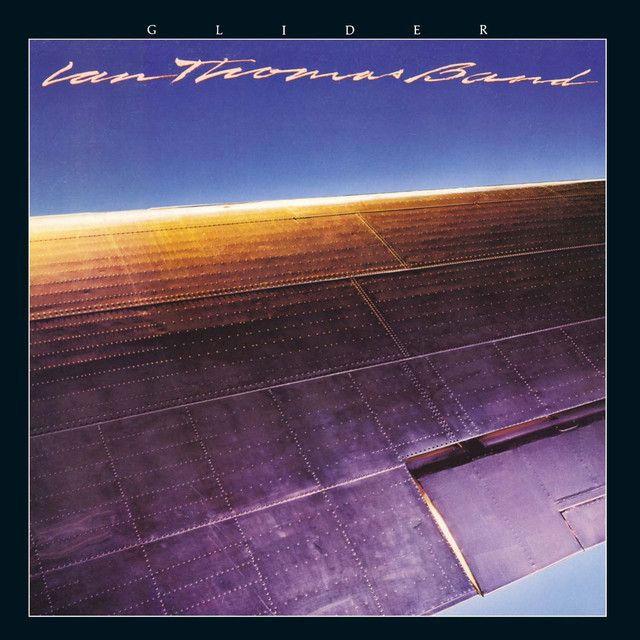
Pilot by Ian Thomas
The meaning of Pilot Ian Thomas centers on escape, guilt, and misplaced faith. On the surface, the song tells a tense story: powerful people gather in Nevada, a pilot prepares to leave, and others are left behind in panic. Under that plot, though, the song feels like a critique of elites trying to flee a disaster they helped create.
"Pilot" - Ian Thomas
The minds of science, the nation's leaders
To meet again at destination
Loading lyrics...
Unable to load lyrics
We're unable to display the lyrics at this time. Please try again later.
Ian Thomas was a Canadian singer-songwriter known for thoughtful rock writing and strong storytelling, with a career that stretches across decades and includes the hit Painted Ladies
and later work in film and television music. Public discographies and credits identify “Pilot” as a song written by Jeff Richmond and Michael Thomas and released by Ian Thomas on The Runner in the early 1980s. Those credits matter because the song has the shape of a miniature sci-fi drama, but its message lands like social commentary.
A Disaster Movie in Four Minutes
The song opens by showing important figures disappearing one at a time. Instead of ordinary citizens, it spotlights scientists and national leaders, the people who usually claim control. They are heading toward a secret meeting point, and the line about destination
suggests planning, not chaos.
That setting soon becomes clearer: the salt flats of Nevada
. The image feels dry, empty, and militarized, almost like a test site or launch zone. In American culture, Nevada often carries associations with secrecy, experiments, and survival fantasies, so the backdrop supports the song’s apocalyptic mood without needing many details.
Watch the official Pilot
music video
Who the Song Trusts — and Why That Is the Problem
The chorus is the emotional center. It says, We place our trust
in the pilot, asking this flyer to save them from the burning world they helped make. That is the key moral twist in the song.
Instead of taking responsibility, the people in charge hand their fate to one specialist. The pilot becomes more than a person. Interpretation: they act like a symbol of technology, authority, or last-minute salvation. The song sounds skeptical of that faith. Trusting the pilot does not erase the damage; it only exposes how desperate these people are.
The sharpest line in the chorus is the admission that the fire is one we have made
. That short confession changes the whole song. This is not a natural disaster in the lyrics. It sounds self-inflicted.
The Story Turns Dark Inside the Aircraft
In the second verse, the camera moves from the waiting crowd to the inside of the escape vehicle. Through a porthole, the narrator sees panic outside. Humanity has been abandoned, and the people left behind are no longer distant statistics. They are at the door.
The most unsettling image is not an explosion but human contact: scratching fingers at a sealed entrance. The line about the door being secured makes the scene feel final and cruel. Those inside hear the cries, but still leave.
the cry was distant
scratching fingers grew persistent
That brief moment gives the song its horror. The disaster is not just environmental or political. It is moral. Survival here depends on deciding whose lives count.
What “Paradise” Means in the Chorus
The repeated claim that This paradise is lost forever
can be read in two ways. First, it may describe Earth itself. The world has been damaged beyond repair, perhaps by war, pollution, or some scientific mistake. Second, it may describe innocence. Once leaders choose escape over solidarity, paradise is gone in an ethical sense too.
Interpretation: the song’s strongest idea is that collapse begins before the final escape. It begins when the powerful separate themselves from everyone else. By the time the plane or craft is ready, the real loss has already happened.
Sound and Production: Why the Song Feels So Urgent
Musically, “Pilot” fits the polished rock style of its era, but its arrangement supports the story well. The rhythm has a forward drive, which mirrors transport, countdowns, and forced momentum. The chorus opens wider, giving the hook an anthem-like shape, yet that big sound feels ironic because the words describe fear and failure, not triumph.
The vocal delivery also matters. Ian Thomas does not sing the material like pure fantasy. They bring a serious, almost report-like tone to the verses, which makes the scenario more believable. Then the repeated call of Oh oh Pilot
turns the chorus into a plea. It sounds catchy, but also needy, like a crowd trying to talk itself into hope.
A Political Reading and a Human Reading
There are at least two strong ways to hear the song.
Interpretation 1: A warning about elites
In this reading, “Pilot” is about leaders protecting themselves while ordinary people face the consequences. The mention of scientists and national figures, plus the locked door, supports that idea. The song becomes a warning about systems where those with power can escape the crises they help create.
Interpretation 2: A broader fear of modernity
The song can also be heard as a Cold War-era nightmare about technology and human arrogance. The faith in a pilot, the desert launch setting, and the sense of irreversible damage all fit that frame. Here, the song is less about one event than about a civilization betting everything on expertise after already pushing too far.
Why the Meaning Still Lands Today
What keeps the meaning of Pilot Ian Thomas relevant is how current its fear feels. Whether listeners think about climate anxiety, bunker fantasies, or leaders avoiding consequences, the song still speaks to a familiar imbalance: some people make the fire, while others pay for it first.
Its brilliance is that it tells that idea through a tight, cinematic scene rather than a lecture. A pilot, a sealed door, a desert waiting ground — those images do the work quickly. The result is a song about escape that never sounds freeing.
Final Approach to the Song
“Pilot” works best as a moral thriller. It imagines the last stage of a man-made collapse and asks what trust means when trust comes too late. The song does not offer comfort. It offers a picture of fear, privilege, and responsibility colliding at the moment of departure.
Interpretations can vary, and this reading is one informed analysis rather than a confirmed statement of author intent.








