cutthroat by iann dior
Why This Early Song Still Hits
The meaning of cutthroat iann dior centers on pressure. They present a narrator who feels trapped between a failed relationship, substance use, and a music world that seems ruthless. The song is not just sad; it is unstable, restless, and defensive.
"cutthroat" - iann dior
Even though this industry is cutthroat
Now I don't feel the same
Loading lyrics...
Unable to load lyrics
We're unable to display the lyrics at this time. Please try again later.
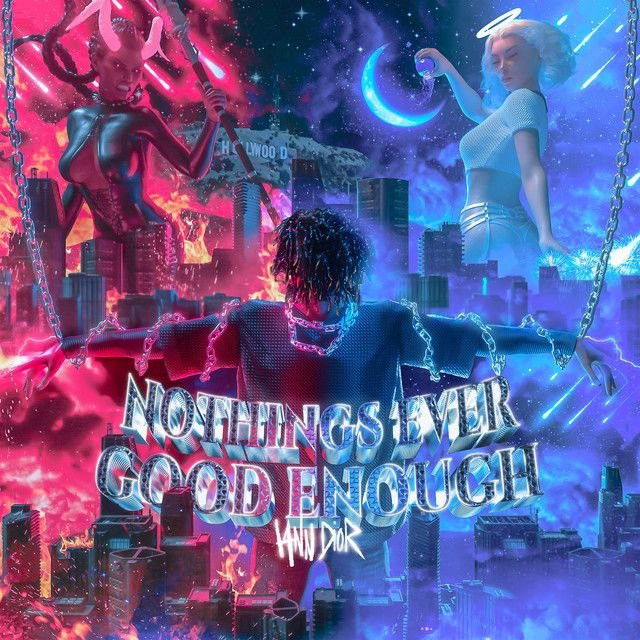
“Cutthroat” was one of iann dior’s earliest songs and later appeared as part of the 2019 project Nothings Ever Good Enough. According to widely cited career summaries, it was also his first recorded song and drew millions of plays on SoundCloud, which helps explain why fans still treat it as a key entry point into his style. Factually, iann dior is the stage name of Michael Ian Olmo, an American singer and rapper associated with emo rap and melodic trap. Those biographical details matter because this song already shows the blend that would define his career: rap cadences, pop melody, and emotional collapse.
Watch the official cutthroat
music video
The Core Story Beneath the Hook
At the center of the track, they describe someone who feels themselves slipping. The repeated idea that they might blow
suggests two things at once: blowing up in fame and blowing up emotionally. That double meaning is a big part of the song’s power.
On one level, the narrator is talking about industry stress. When they call the business cutthroat
, the word points to competition, fake loyalty, and constant pressure to survive. On another level, they are talking about personal damage. The relationship is over, there is no closure, and the emotional fallout is being numbed rather than processed.
Interpretation: The song’s title is not only about the music business. It also describes romance and self-preservation. Everyone in the song seems dangerous: the industry, the ex, even the narrator’s own habits.
Heartbreak, Numbness, and No Closure
A major thread in the song is breakup pain. The narrator says they were left alone and cannot move on cleanly. The emotional problem is not just that the relationship ended, but that it ended in a messy, unresolved way. That is why the line about having no closure
lands so hard. It gives the song a stuck feeling.
They also swing between missing the other person and pushing them away. Early on, the narrator sounds wrecked and dependent. Later, they act colder, saying they can now see through the ex and will not let them back in. That shift matters. It shows a person trying to recover control by acting detached.
These drugs got me thinking that I need you
But I don't really need you
That brief moment may be the clearest emotional statement in the whole song. The narrator admits their feelings are distorted. They cannot fully trust their own mind, because intoxication makes longing feel like truth.
Drugs as Theme and as Fog
The song repeatedly links altered feelings to substance use. When the narrator says the drugs drive me insane
, they are not offering a detailed confession so much as naming a condition: blurred judgment, paranoia, and emotional overreaction.
That idea deepens the heartbreak theme. Instead of feeling pain directly, they move through it in a haze. The image of driving through the city with closed eyes is likely not meant literally. Interpretation: It works as a symbol for reckless autopilot. They are still moving, but not in a healthy or aware way.
This is where the song fits iann dior’s early emo-rap lane especially well. Rather than treating sadness as quiet and poetic, “cutthroat” makes sadness sound impulsive. The emotions race, then harden, then loop back.
The Chorus Turns Anxiety Into a Cycle
The chorus is built to feel repetitive on purpose. It circles the same fears: career pressure, emotional numbness, drug use, loneliness, and mental overload. That repetition creates the sense that the narrator is not learning from the pain yet; they are reliving it.
The phrase I'm so low
is simple, but it anchors the whole track. It strips away any cool pose and reveals depression underneath the flexes and insults. Even when the verses get sharper or more boastful, the hook keeps bringing the listener back to fragility.
How the Sound Supports the Meaning
Production is a big reason the song works. The writing credits provided for the track list Danny Lee Jr. Snodgrass, Michael Olmo, and Nicholas Mira. Mira is known for glossy but moody melodic rap production, and that style fits here.
The instrumental does not sound huge or triumphant. It feels airy, slightly dark, and emotionally compressed, giving the vocal room to carry the tension. The beat glides instead of slamming, which makes the narrator’s panic feel internal rather than explosive.
That contrast is important. The melody is catchy, but the content is unstable. This is one of the trademarks of iann dior’s music more broadly: songs that feel easy to sing along with even when the narrator sounds mentally cornered.
Fame Anxiety in an Origin Story
Because “cutthroat” came so early in iann dior’s rise, it almost works like a mission statement. Before major chart success, before high-profile features, they were already writing about distrust, emotional burnout, and the cost of ambition. Later success would make those themes look even more prophetic.
Interpretation: The song captures an artist imagining success as something dangerous before fully reaching it. The fear is not just failure. The fear is what survival in that world might require.
Final Take on the Meaning of cutthroat iann dior
The best way to understand the meaning of cutthroat iann dior is as a portrait of someone trying to protect themselves while falling apart. The song blends breakup grief, intoxicated confusion, and fear of a ruthless environment into one mood: emotional threat.
That is why it still connects. It does not offer healing or wisdom. It offers honesty about how ugly the in-between stage can feel.
Disclaimer: This article offers informed interpretation based on the song’s lyrics, credits, and artist context. As with any song, listeners may reasonably hear different meanings.









