Why "Black Wedding" Turns Heartbreak Into Power
The meaning of Black Wedding In This Moment, Rob Halford starts with a clever reversal. On the surface, the song sounds like a gothic marriage anthem. Under that dark theater, though, it is really about taking pain, betrayal, and confusion and turning them into personal strength.
"Black Wedding" - In This Moment ft. Rob Halford
Can you hear my voice?
Do you hear my prayers?
Loading lyrics...
Unable to load lyrics
We're unable to display the lyrics at this time. Please try again later.
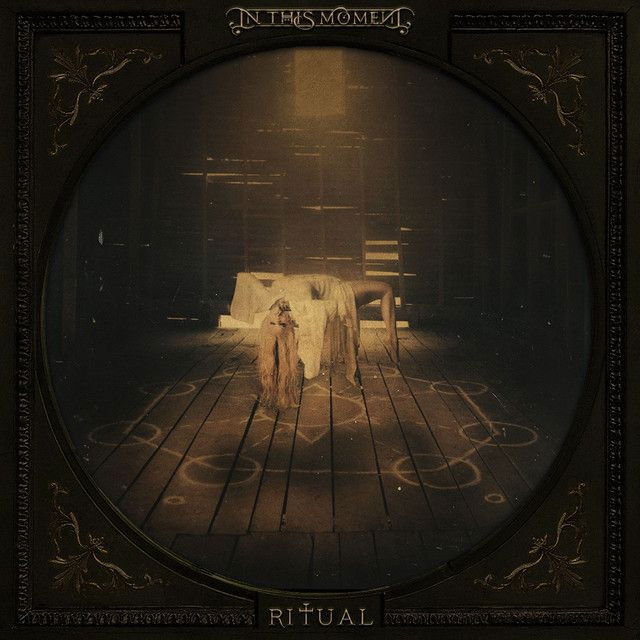
Released on Ritual in 2017, the song brings together In This Moment’s horror-metal style and Rob Halford’s iconic heavy metal presence. According to Songfacts, Maria Brink described the track as an empowering ritual, not a normal romance story. That context matters: this is less about marrying another person and more about reclaiming the self after damage.
A Ceremony for the Self, Not a Lover
The central image is a wedding, but it is not a happy white-dress union. The chorus flips that tradition into black wedding
, a phrase that suggests grief, rebellion, and rebirth all at once.
Interpretation: the song frames heartbreak as a dark ceremony. Instead of promising forever to someone else, the speaker seems to stand at the altar of their own survival. They are not entering innocence. They are accepting what they have lived through and making power out of it.
That reading fits Brink’s own explanation. She said the song came from conflict and from turning dark experiences into empowerment. In other words, the wedding image works like a private rite. It marks the death of dependence and the birth of independence.
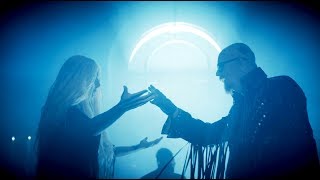
Watch the official Black Wedding
music video
The Voices Inside the Story
The verses open with prayer-like questions aimed at a religious figure: Priest are you there?
and requests for forgiveness. That language makes the song sound like a confession at first.
But the song quickly gets stranger and more theatrical. There is also a maternal or spiritual voice, heard in the line about Mother I am here
. This creates a dramatic scene where guidance, guilt, and inner instinct all overlap.
Interpretation: the priest and mother may not be literal characters. They may represent authority and intuition. One voice stands for judgment, while the other offers recognition and transformation. The singer is caught between them while trying to decide what kind of person they become after betrayal.
How the Lyrics Move From Devotion to Disillusion
One reason the song hits hard is that it moves through two emotional states at once. The speaker describes huge devotion, using promises of sacrifice and loyalty. They would have given everything.
Then comes the reversal: unholy right from the start
. That line changes the whole relationship. What looked sacred was damaged from the beginning.
This is why the chorus feels both dramatic and bitter. The wedding language is still there, but now it sounds corrupted. The usual vow, Til death do us part
, no longer feels romantic. It feels like the remains of a bond that has already spiritually collapsed.
The song’s emotional timeline
- It begins in doubt, with prayer and confession.
- It shifts into memory, where deep love and sacrifice are recalled.
- It reveals that the relationship was tainted from the start.
- It turns that ruined union into a new ritual of self-possession.
That progression is the key to the song’s meaning. It is not just heartbreak. It is heartbreak staged as transformation.
The Billy Idol Shadow Changes the Meaning
A big part of the song’s identity is its clear nod to Billy Idol’s “White Wedding.” Songfacts notes that the track was inspired by a macabre twist on that 1982 hit. In This Moment do not hide the reference; they weaponize it.
By changing white to black, the song overturns the old symbol. White usually suggests purity, social approval, and a traditional future. Black suggests mourning, danger, secrecy, and power. The swap tells listeners, right away, that this ceremony belongs to outsiders, survivors, and people who no longer trust pretty endings.
That makes the chorus memorable for more than its hook. It works as cultural inversion. The song takes a famous rock image and drags it into a darker emotional truth.
Why Rob Halford Matters So Much
Rob Halford is not just a guest vocalist here. He helps sell the song’s world. His voice carries authority, menace, and a long history of metal using sacred imagery in provocative ways.
Chris Howorth told Songfacts that Halford joined because Brink was using a mother priest
idea in the lyrics, and he was eager to take part. In the video, reported by Loudwire, Halford appears as the priest who oversees the ritual. That casting strengthens the song’s mix of church symbolism and theatrical rebellion.
His presence also helps the track feel like a true ceremony, not just a metaphor. When Halford enters, the song gains the weight of judgment and proclamation.
The Sound Makes the Message Feel Bigger
Production is a major reason the song works. Kevin Churko’s style gives it a polished but heavy attack: pounding drums, sharp guitar accents, big electronic textures, and a chorus built for arena-sized drama.
The music balances groove and menace. The verses feel tense and ritualistic. Then the chorus opens wide, almost like a chant. That contrast mirrors the lyric arc from inner conflict to public declaration.
Maria Brink’s performance is equally important. She shifts between vulnerable pleading and commanding force, which matches the song’s theme of rebuilding strength. Halford’s cameo adds a ceremonial edge, like a dark blessing.
The Best Way to Read "Black Wedding"
The strongest reading is that the song turns a failed bond into a rite of empowerment. Love is not celebrated here as safety. It is tested, exposed, and remade into self-rule.
A second valid reading is that the song mocks romantic fantasy. Interpretation: by using wedding language in such a haunted setting, it suggests that some promises are more dangerous than beautiful.
Either way, the core message stays consistent. The meaning of Black Wedding In This Moment, Rob Halford is about surviving emotional ruin and giving that survival a dramatic, almost sacred form.
Final Take Under the Black Veil
What makes "Black Wedding" memorable is not just the gothic image. It is the way the song turns darkness into agency. The ceremony at its center is not about surrender. It is about choosing the self after trust has been broken.
That is why the hook lingers. It sounds shocking, fun, and theatrical, but it also carries a real emotional point: not every ending is pure, and not every rebirth comes dressed in white.
Disclaimer: This interpretation blends confirmed artist comments with critical reading of the lyrics, performance, and production. Like all song analysis, some meanings remain open to the listener.








